Best Hearing Aid for Old People

Hearing Aid for Old People: Complete Guide by VR Speech and Hearing Clinic
Growing old brings many changes, and one of the most common yet overlooked changes is hearing loss. Age related hearing loss, also called presbycusis, affects millions of elderly people worldwide. If your parents or grandparents are struggling to hear conversations, asking to repeat words often, or increasing the TV volume too high, it may be time to consider a hearing aid for old people. At VR Speech and Hearing Clinic, we specialize in helping senior citizens regain clear hearing and improve their quality of life.
Why Hearing Loss Happens in Old Age
As people age, the tiny hair cells inside the inner ear naturally wear down. This leads to gradual hearing loss, usually starting with high pitched sounds and speech clarity. Common causes of hearing loss in elderly people include long term noise exposure, ear infections, certain medications, diabetes, high blood pressure, and family history. Early detection through a proper hearing test is the first step toward better hearing health.
Signs Your Elderly Parent May Need a Hearing Aid
Frequently asking others to repeat themselves Difficulty understanding conversations in noisy places Turning up the television or radio volume unusually high Withdrawing from social gatherings due to communication difficulty Complaining of ringing or buzzing sounds in the ears Misunderstanding words during phone calls
If you notice these signs in your loved ones, a visit to a trusted hearing aid clinic near me can help identify the right solution.
Best Types of Hearing Aids for Old People
Choosing the right hearing aid for elderly individuals depends on the severity of hearing loss, lifestyle, and comfort. Some popular options include:
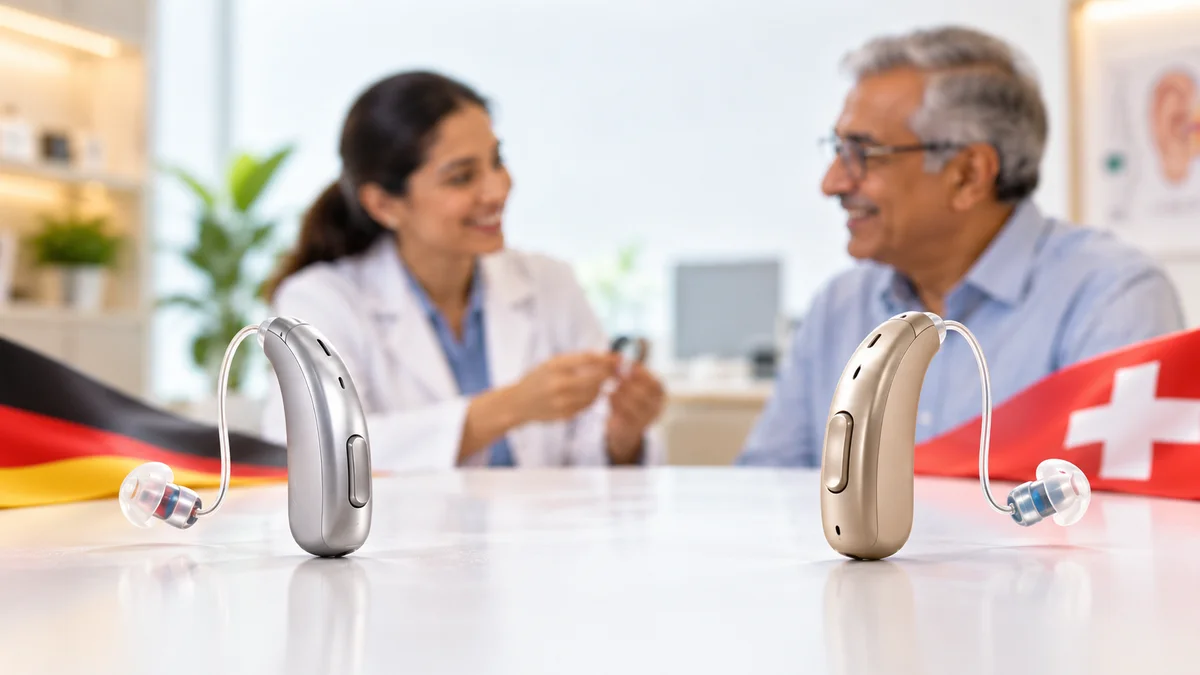
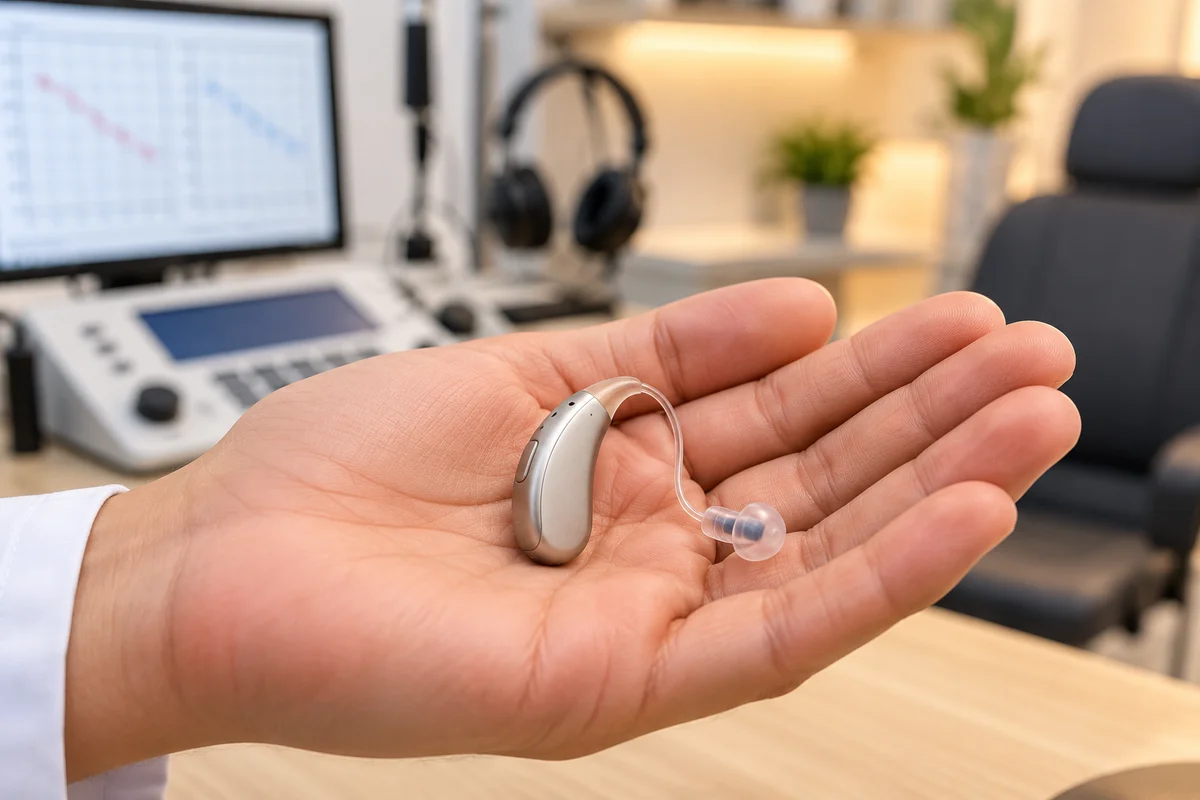
Behind the Ear Hearing Aids: Durable, easy to handle, and suitable for mild to severe hearing loss, making them a preferred choice for senior citizens.
In the Ear Hearing Aids: Custom fitted and discreet, ideal for elderly people who want comfort with minimal visibility.
Digital Hearing Aids: Advanced digital hearing aid for elderly users offers noise reduction, speech clarity, and rechargeable batteries for everyday convenience.
Invisible Hearing Aids: Extremely small and nearly invisible, suitable for elderly patients who prefer a discreet option.
Benefits of Choosing the Right Hearing Aid
Improved communication with family and friends Better safety awareness of surroundings Reduced risk of cognitive decline linked to untreated hearing loss Increased confidence and independence Enhanced overall mental and emotional wellbeing
Why Choose VR Speech and Hearing Clinic
At VR Speech and Hearing Clinic, our certified audiologists provide complete hearing care for elderly patients, including detailed hearing assessments, personalized hearing aid fitting, and ongoing support. We understand that every senior citizen has unique hearing needs, and our team ensures the best hearing aid for aged parents is selected based on comfort, budget, and lifestyle. We also provide trial sessions, repair services, and regular maintenance to keep hearing aids working efficiently for years.
Tips for Elderly People Adjusting to a New Hearing Aid
Start by wearing the hearing aid for a few hours daily and gradually increase usage Practice listening in quiet environments before moving to noisy places Keep the device clean and store it properly at night Schedule regular follow up visits with your audiologist for adjustments Be patient, as the brain needs time to adapt to new sound levels
Conclusion
Hearing loss should never stop your loved ones from enjoying life to the fullest. With the right hearing aid for old people and expert guidance from VR Speech and Hearing Clinic, seniors can reconnect with conversations, family moments, and the sounds they love. Book a hearing test today and take the first step toward better hearing for your elderly parents.
FREQUENTLY ASKED QUESTIONS
Q1. What is the best hearing aid for old people?
The best hearing aid depends on the level of hearing loss and lifestyle needs. Digital hearing aids with noise cancellation and rechargeable batteries are generally recommended for elderly users due to their comfort and ease of use.
Q2. At what age do people usually need a hearing aid?
Age related hearing loss commonly begins after 60 years, but it can vary based on health conditions, noise exposure, and genetics. A hearing test can confirm if a hearing aid is needed.
Q3. How do I know if my elderly parent needs a hearing aid?
Common signs include frequently asking to repeat words, increasing TV volume, difficulty following conversations, and avoiding social situations. If these signs are noticed, consult an audiologist for a hearing evaluation.
Q4. Is it difficult for elderly people to adjust to a hearing aid?
Adjusting to a hearing aid may take a few weeks. Starting slowly and following the audiologist's guidance helps elderly users adapt comfortably to improved hearing.
Q5. How much does a hearing aid for elderly people cost?
The cost varies depending on the type and technology level of the hearing aid, ranging from basic models to advanced digital devices. VR Speech and Hearing Clinic offers options to suit different budgets.
Q6. Where can I get a reliable hearing test for my elderly parents?
VR Speech and Hearing Clinic provides professional hearing tests and personalized hearing aid solutions for senior citizens with experienced audiologists.