Hearing Aid Dehumidifier & Drying Kit Online
Hearing Aid Dehumidifier: Why Every Hearing Aid User Needs One
Hearing aids are precision electronic devices that work continuously in one of the most challenging environments possible — the human ear. Between body heat, perspiration, humidity, and everyday exposure to weather, moisture is constantly building up inside and around these tiny instruments. Over time, this moisture becomes one of the most common reasons hearing aids stop working properly, develop static, lose volume, or require expensive repairs. This is exactly why a hearing aid dehumidifier, also known as a drying kit, has become an essential accessory rather than an optional extra.
At VR Speech and Hearing Clinic, we recommend a dehumidifier jar to nearly every hearing aid user we fit, regardless of brand or model. It is a small investment that pays off many times over by protecting your device and reducing the number of service visits you need each year.

Why Moisture Damages Hearing Aids
Hearing aids sit inside or behind the ear for many hours a day. During this time, they are exposed to sweat, humidity, condensation, and sometimes rain or steam from bathing nearby. Moisture can seep into the microphone ports, receiver, and internal circuitry. Once inside, it can cause corrosion on delicate electronic components, muffled or distorted sound, intermittent cutting out, and in severe cases, complete device failure.
Unlike a phone or laptop, a hearing aid cannot simply be wiped dry on the outside. The real damage happens on the inside, where moisture is invisible and where regular cleaning cloths cannot reach. This is why an active drying process is necessary, not just occasional wiping.
How a Hearing Aid Drying Kit Works
A hearing aid dehumidifier jar is a simple, reusable container designed to draw out trapped moisture using a drying tablet or desiccant capsule. The process is straightforward. You place your hearing aid inside the jar along with a fresh drying capsule, close the lid tightly, and leave it overnight. While you sleep, the desiccant absorbs humidity from inside the device, restoring it to a dry, stable condition before you wear it again the next day.
This nightly routine is very similar to leaving your shoes to air out, except a dehumidifier jar accelerates and intensifies the drying process using specialized moisture-absorbing material rather than relying on open air alone.
Who Should Use a Hearing Aid Dehumidifier
While every hearing aid user can benefit from a drying kit, it becomes especially important for people who live in humid or coastal regions, individuals who sweat heavily during the day, those who wear hearing aids during exercise or outdoor work, users of rechargeable hearing aids, and anyone who has previously experienced moisture-related repairs. If you have ever noticed your hearing aid sounding weaker or crackling by the end of the day, moisture buildup is often the underlying cause.
Benefits of Using a Dehumidifier Jar Daily
Using a drying kit regularly offers several practical advantages. It helps prevent corrosion of internal electronic components, improves the clarity and consistency of sound output, reduces the frequency and cost of hearing aid repairs, and extends the overall working life of the device. It also helps maintain performance in humid climates and after physical activity, and it protects the investment you have made in a quality hearing instrument.
Hearing aids are not inexpensive, and a small daily habit of proper drying can be the difference between a device that lasts several years without issue and one that requires repeated servicing.
Compatibility With Major Hearing Aid Brands
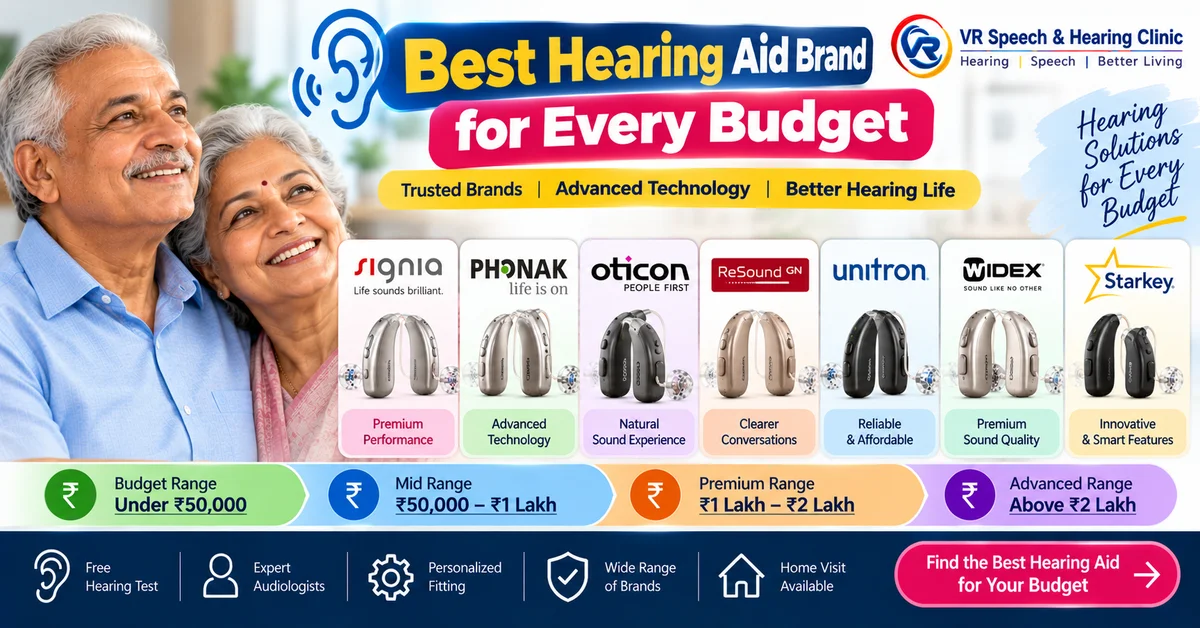
A quality dehumidifier jar is designed to work with hearing aids from all major manufacturers. This includes Phonak, Signia, Widex, Oticon, ReSound, Starkey, Unitron, Bernafon, Audio Service, Hansaton, Philips, and other leading brands. It is also suitable across hearing aid styles, including Behind the Ear, Receiver in Canal, In the Ear, In the Canal, Completely in Canal, and rechargeable models.
How to Use a Hearing Aid Drying Kit Correctly
Getting the best results from your dehumidifier jar comes down to following a few simple steps consistently. Remove the hearing aid from your ear at the end of the day and, if applicable, take out any zinc-air battery before placing the device inside the jar, since batteries should not be left inside during drying. If you use a rechargeable hearing aid, switch it off completely before placing it in the jar. Place a fresh drying tablet or desiccant capsule in the jar, close the lid tightly to prevent air exchange, and leave the hearing aid inside overnight, or for at least six to eight hours. In the morning, remove the device, wipe it gently with a soft dry cloth, and it is ready to wear.
Drying tablets and desiccant capsules are not reusable indefinitely. They should be replaced periodically, as their moisture-absorbing capacity reduces with each use. Using an expired or saturated capsule significantly reduces the effectiveness of the drying process.
Storage and Safety Tips
To get the longest life from your dehumidifier jar, store it in a cool, dry place away from direct sunlight and away from children, since desiccant capsules should never be swallowed or handled by young children. Keep the lid tightly closed when not in use to prevent moisture from entering the empty jar itself.
A Compact, Travel-Friendly Accessory
One of the most practical aspects of a hearing aid dehumidifier is its size. These jars are lightweight and compact, making them easy to carry while traveling, keep on a bedside table, or pack in a bag for daily use. Whether you are managing humidity at home or protecting your hearing aid during travel to a different climate, a portable drying kit ensures your device stays protected wherever you are.
Why Buy From VR Speech and Hearing Clinic
At VR Speech and Hearing Clinic, we supply genuine, quality-assured hearing aid accessories including drying kits, cleaning tools, domes, and tubing. Our EarMart Hearing Aid Drying Kit is priced affordably, backed by fast pan-India shipping, secure payment options, and easy returns. As a clinic that fits and services hearing aids daily, we only recommend accessories that we trust for our own patients.
Protecting your hearing aid from moisture damage is one of the simplest ways to extend its life and avoid unexpected repair costs. Add a dehumidifier jar to your daily routine and give your hearing aid the care it needs to perform reliably, day after day.
FAQs
1. How often should I use a hearing aid dehumidifier?
Ideally every night. Making it part of your daily routine, similar to charging your phone, ensures consistent moisture removal and better long-term performance.
2. Can I use this drying kit with rechargeable hearing aids?
Yes, but rechargeable hearing aids must be switched off completely before being placed inside the jar.
3. How long does a drying tablet or desiccant capsule last?
This depends on humidity levels and frequency of use, but capsules should be replaced periodically once they lose their moisture-absorbing effectiveness.
4. Is this dehumidifier jar suitable for all hearing aid brands?
Yes, it is compatible with most major brands, including Phonak, Signia, Widex, Oticon, ReSound, Starkey, Unitron, Bernafon, Audio Service, and Philips.
5. Do I need to remove the battery before drying?
Yes, zinc-air batteries should be removed before placing the hearing aid inside the jar, as continuous exposure inside a sealed drying environment is not recommended for them.
6. Can this kit fix a hearing aid that has already stopped working due to moisture?
A drying kit is primarily a preventive tool. If your hearing aid has already stopped working, it should be inspected by a hearing care professional at VR Speech and Hearing Clinic.
7. Is the dehumidifier jar reusable?
Yes, the jar itself is fully reusable. Only the drying tablet or desiccant capsule inside needs periodic replacement.