Hearing Aid Battery Types Explained
Introduction
If you or a loved one wears a hearing aid, you already know how important it is to keep the device powered and ready to use. Yet many people find themselves confused when standing in front of a pharmacy shelf full of tiny, colour-coded packets, unsure which one fits their device. Understanding hearing aid battery types is not just a matter of convenience; it directly affects how well your hearing aid performs, how long it lasts on a single charge, and how much you spend over time.
At VR Speech and Hearing Clinic, patients frequently ask us which battery is best suited to their hearing aid model and lifestyle. This guide breaks down everything you need to know about hearing aid batteries, from traditional zinc-air cells to modern rechargeable lithium-ion technology, so you can make an informed decision and keep your hearing aid running smoothly.
Why Battery Knowledge Matters
Hearing aids are small but sophisticated devices that process sound continuously throughout the day. Unlike many household electronics, they cannot simply be plugged into any power source. They rely on batteries specifically designed to meet their size and power requirements. Choosing the wrong battery, or using one incorrectly, can lead to weak performance, unexpected shutdowns, or even damage to the device over time. Knowing your options helps you avoid these issues and ensures uninterrupted hearing support.
Zinc-Air Batteries: The Traditional Standard
For decades, zinc-air batteries have been the most common power source for hearing aids. These are disposable, single-use batteries that activate when exposed to air. You will notice a small sticker on the back of each battery; once removed, oxygen enters the cell and triggers a chemical reaction that generates power.
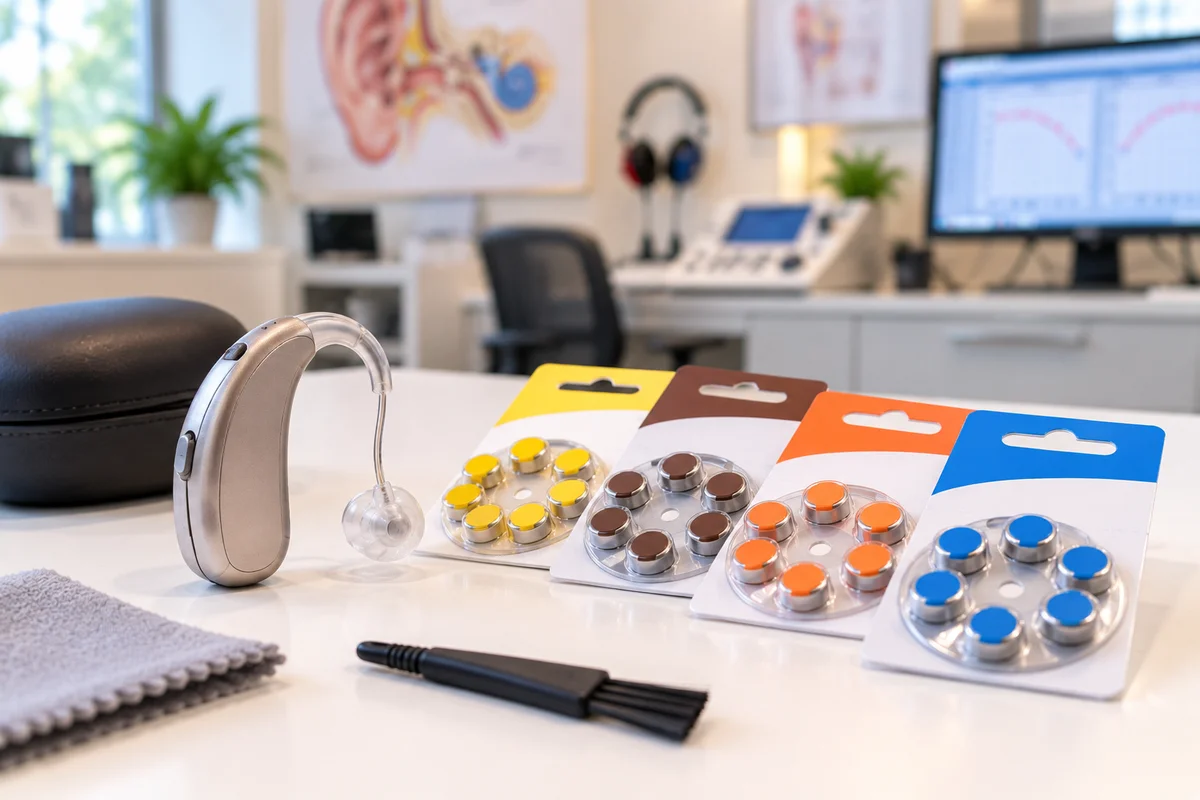
Zinc-air batteries are popular because they are lightweight, affordable, and widely available at pharmacies, supermarkets, and hearing clinics. They come in four standard sizes, each identified by a colour code for easy recognition, even for users with limited vision.
Common Zinc-Air Battery Sizes

Size 10 (Yellow): The smallest commonly used hearing aid battery, typically found in completely-in-canal (CIC) and in-the-canal (ITC) devices. Due to its small size, it usually has a shorter lifespan, lasting around three to seven days depending on usage.

Size 312 (Brown): A slightly larger option used in in-the-ear (ITE) and some receiver-in-canal (RIC) hearing aids. These batteries generally last five to ten days.

Size 13 (Orange): Commonly used in behind-the-ear (BTE) and ITE hearing aids, offering a longer battery life of six to fourteen days.

Size 675 (Blue): The largest standard size, often used in powerful BTE hearing aids designed for severe to profound hearing loss. This size can last anywhere from nine to twenty days.
One important habit for zinc-air battery users is to wait about sixty seconds after removing the sticker before inserting the battery into the hearing aid. This allows the battery to fully activate and can extend its overall lifespan.
Rechargeable Hearing Aid Batteries
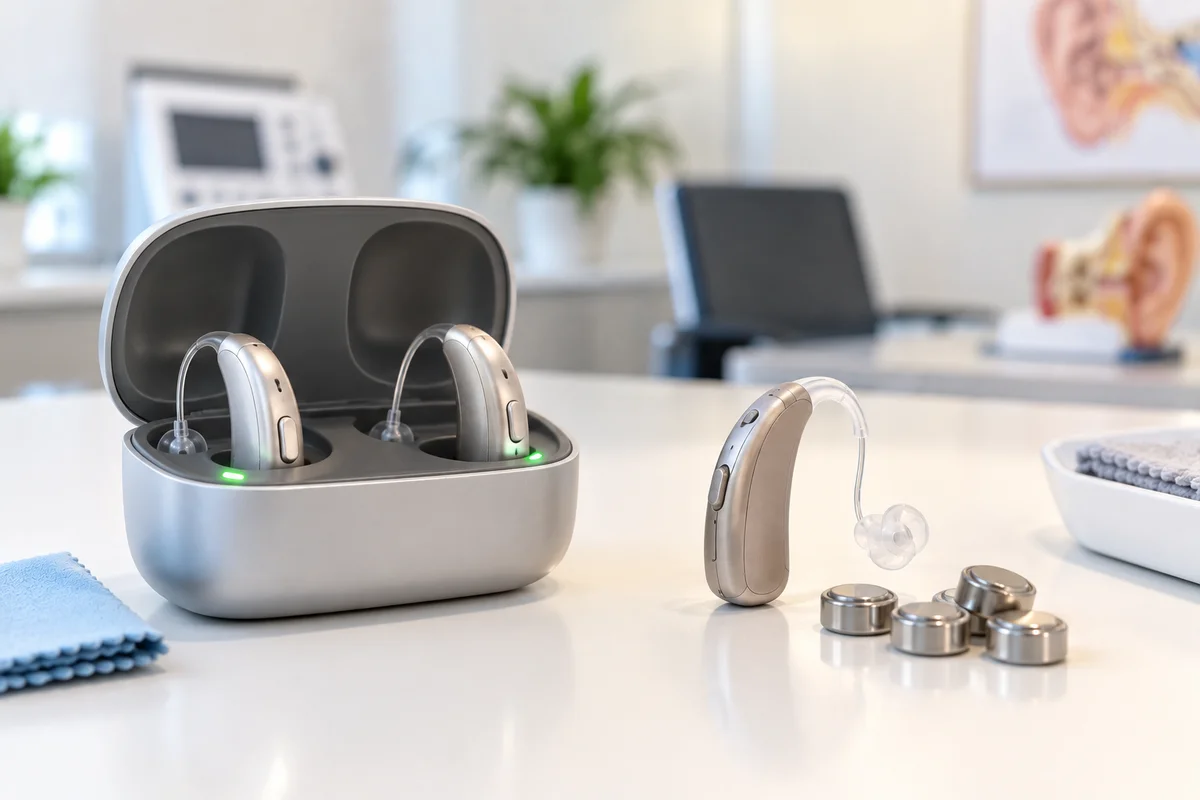
In recent years, rechargeable batteries have transformed the hearing aid industry, offering a convenient alternative to disposable cells. These batteries are built into the hearing aid itself and are recharged overnight using a charging dock, much like a smartphone.
Lithium-Ion Batteries
Lithium-ion batteries are the most widely used rechargeable technology in modern hearing aids. They offer several advantages, including a full day of use on a single charge, often between eighteen and twenty-four hours, and a lifespan of several years before the battery needs professional replacement. Since there are no tiny batteries to handle, this option is particularly helpful for individuals with limited dexterity, such as older adults or those with arthritis.
Lithium-ion rechargeable hearing aids also reduce environmental waste, as users are not constantly disposing of small batteries. However, they typically come at a higher upfront cost and may require the hearing aid to be replaced or serviced once the internal battery degrades, usually after three to five years.
Silver-Zinc Batteries
Less common but still available, silver-zinc rechargeable batteries were an earlier alternative to lithium-ion technology. They charge quickly but generally offer a shorter battery life per charge and a shorter overall lifespan compared to lithium-ion options. Most manufacturers have shifted away from silver-zinc in favour of more efficient lithium-ion systems.
Comparing Disposable and Rechargeable Options
Choosing between disposable zinc-air batteries and rechargeable lithium-ion technology depends on individual needs, lifestyle, and budget.
Disposable batteries tend to have a lower initial cost since the hearing aid itself is often less expensive, but the ongoing cost of purchasing batteries adds up over time. They also require regular handling, which can be difficult for individuals with vision impairments or reduced hand strength.
Rechargeable batteries involve a higher initial investment but eliminate the recurring cost and hassle of buying and replacing tiny batteries. They are especially convenient for users who travel frequently or prefer a simple nightly routine rather than remembering to carry spare batteries.
Neither option is universally better. The right choice depends on factors such as hearing loss severity, device style, manual dexterity, and personal preference. This is precisely the kind of decision our audiologists at VR Speech and Hearing Clinic help patients navigate during consultations.
Factors That Affect Battery Life
Regardless of which battery type you choose, several factors influence how long it lasts.
Hearing aid features: Devices with wireless connectivity, Bluetooth streaming, or advanced noise reduction tend to consume more power than basic models.
Hours of daily use: Naturally, the longer you wear your hearing aid each day, the faster the battery drains.
Volume and settings: Higher volume levels and certain program settings can increase power consumption.
Humidity and storage: Storing batteries in a cool, dry place helps maintain their charge and effectiveness. Exposure to moisture or extreme temperatures can shorten battery life.
Battery age: Zinc-air batteries have a shelf life and should be used before their expiration date for optimal performance.
Tips for Extending Hearing Aid Battery Life
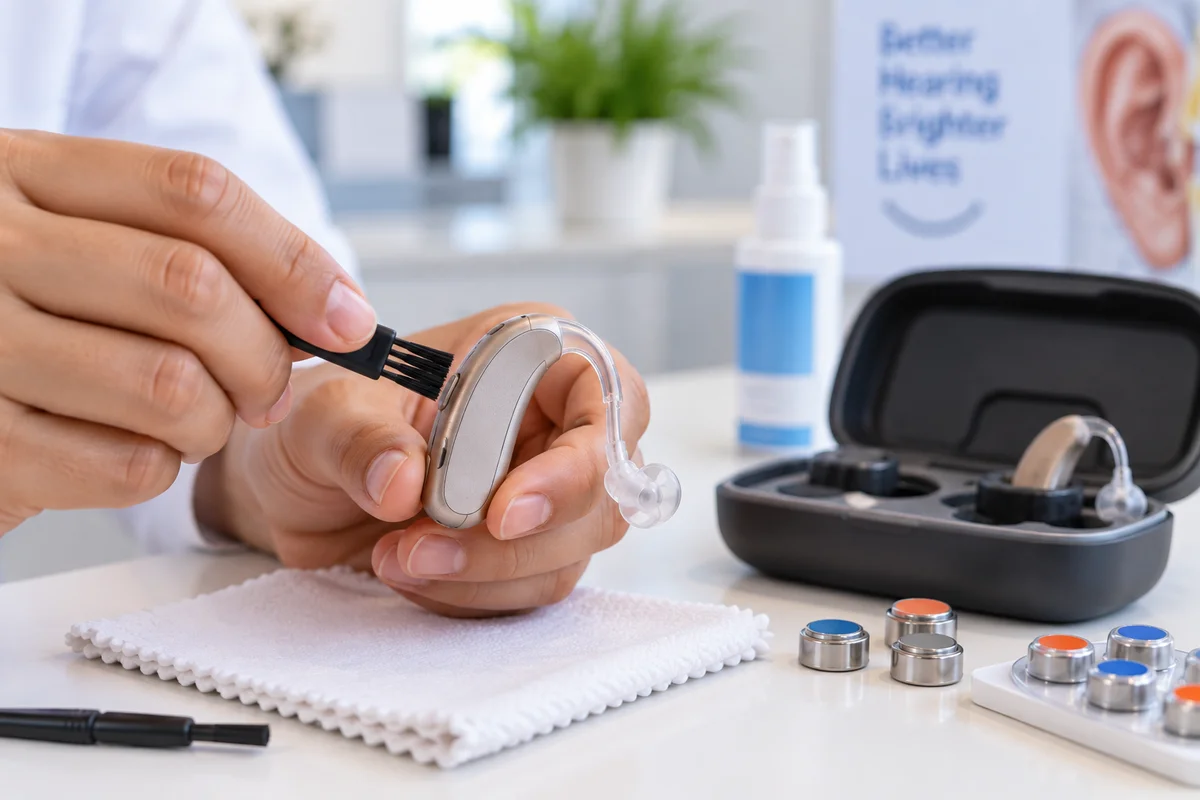
A few simple habits can help you get the most out of your hearing aid batteries. Always store spare zinc-air batteries at room temperature, away from direct sunlight or moisture. Keep the battery compartment clean and free of debris, and open the compartment slightly at night to allow air circulation, which can help extend battery life and prevent moisture buildup. For rechargeable models, make it a habit to place the hearing aid in its charger every night, even if it is not fully depleted, to maintain consistent performance. Avoid touching battery contacts with bare fingers, as oils from your skin can interfere with conductivity.
When to Seek Professional Guidance
If you notice your hearing aid battery draining unusually fast, producing distorted sound, or failing to hold a charge, it may be time for a professional evaluation. Sometimes what seems like a battery issue is actually related to the hearing aid's internal components or settings. Regular check-ups with a qualified audiologist ensure your device continues to perform at its best.
How VR Speech and Hearing Clinic Can Help
At VR Speech and Hearing Clinic, we understand that choosing the right hearing aid battery is an important part of your overall hearing health journey. Our experienced audiologists guide patients through every aspect of hearing aid selection and maintenance, including helping you decide between disposable and rechargeable options based on your specific needs. Whether you are a first-time hearing aid user or looking to upgrade your current device, our team is here to provide personalised recommendations, battery supplies, and ongoing support to ensure your hearing aid serves you reliably every day.
Conclusion
Understanding the different types of hearing aid batteries empowers you to make better choices for your hearing health and daily convenience. From traditional zinc-air batteries in various sizes to modern rechargeable lithium-ion technology, each option offers distinct advantages depending on your lifestyle and hearing aid model. By following proper storage and usage practices, you can extend battery life and enjoy uninterrupted, clear hearing every day. For personalised guidance on hearing aids and batteries, reach out to the experts at VR Speech and Hearing Clinic.
Frequently Asked Questions
1. How long do hearing aid batteries typically last?
Depending on the size and type, zinc-air batteries usually last between three and twenty days, while rechargeable lithium-ion batteries typically provide eighteen to twenty-four hours of use per charge.
2. What is the difference between zinc-air and rechargeable hearing aid batteries?
Zinc-air batteries are disposable and activated by air exposure, while rechargeable batteries are built into the hearing aid and recharged using a charging dock, eliminating the need for regular battery replacement.
3. Why do zinc-air batteries have a sticker on them?
The sticker seals the battery to prevent air exposure until you are ready to use it. Once removed, oxygen activates the chemical reaction that powers the battery.
4. Can I use any battery size in my hearing aid?
No, hearing aids are designed for specific battery sizes, typically identified by colour codes: yellow (10), brown (312), orange (13), and blue (675). Using the wrong size will not fit or function properly.
5. Are rechargeable hearing aids worth the extra cost?
For many users, especially those with limited dexterity or busy lifestyles, the convenience and long-term savings of rechargeable batteries make them a worthwhile investment.
6. How should I store spare hearing aid batteries?
Store them at room temperature in a dry place, away from direct sunlight, moisture, and metal objects that could cause short-circuiting.