German Hearing Aids: Why They’re Leading the Market
German Hearing Aids Are Crushing the Market: What Is Behind the Hype?
Walk into any hearing clinic today and you will notice a trend: more patients are asking for German hearing aids by name. Busy professionals want reliable speech clarity in meetings. Grandparents want to enjoy family conversations again. German-engineered devices have become a major talking point in hearing care.
But what is behind the buzz, and are they worth the attention? This guide explains why German hearing aids are gaining so much ground, which features set them apart, and how to choose the right device with help from the qualified team at VR Speech and Hearing Clinic in Ahilyanagar (Ahmednagar) and Chhatrapati Sambhajinagar.
Why German Hearing Aids Are Leading the Conversation
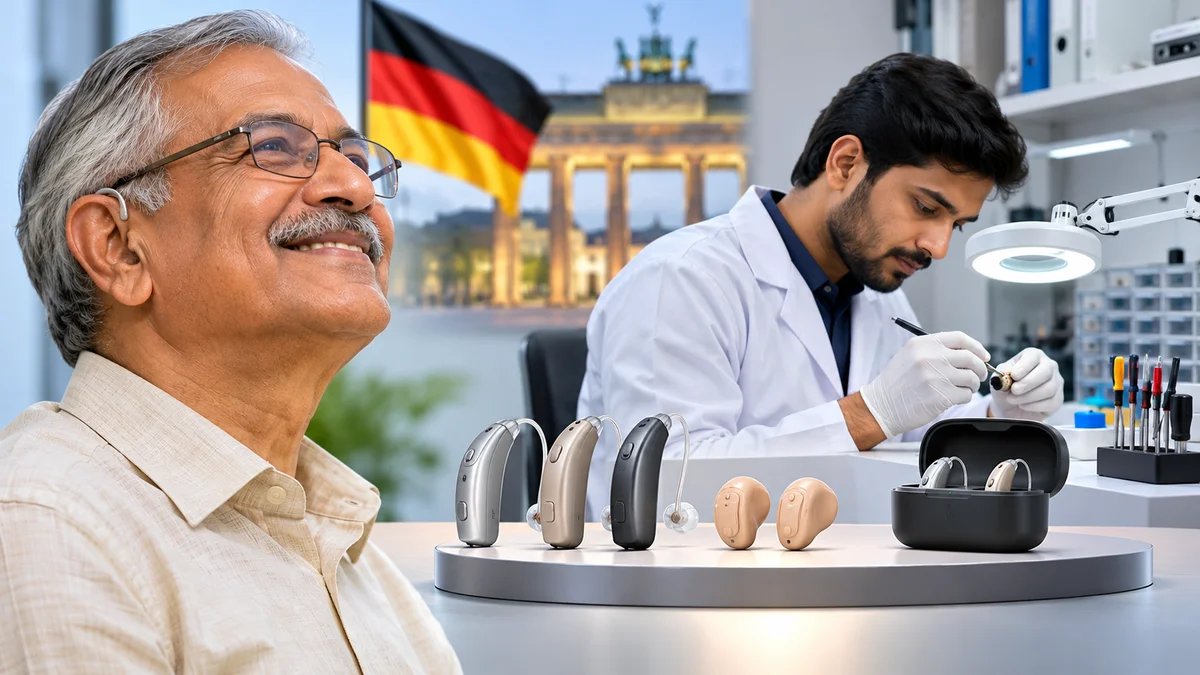
Germany has a long reputation for precision engineering, and hearing technology is no exception. A strong medical-device tradition, a strict quality culture and decades of acoustic research have produced devices known for tight tolerances, consistent performance and long product life.
When a device sits in or behind your ear for 12 to 16 hours a day, that reliability matters. A hearing aid that fails, crackles or needs constant repair is more than an inconvenience. It can make you stop wearing it altogether.
Superior Sound Quality and Speech Clarity
A good hearing aid does not simply make everything louder. It makes speech clearer. German hearing aid technology puts heavy emphasis on speech understanding, using advanced processors that continuously analyse your surroundings and adjust in real time.
The goal is a natural listening experience. Voices stand out from background noise, and everyday sounds like footsteps, birdsong or cups clinking return in a balanced way instead of a harsh, tinny boost. For many first-time users, that natural quality is what makes them keep wearing the device.
Smart Noise Management for Real-World Situations
Hearing well in a quiet room is easy. The real test is a crowded restaurant, a wedding hall, a busy market or a traffic-filled road. Modern German-engineered platforms are designed for exactly these situations.
Common features include:
Directional microphones that focus on the person speaking in front of you
Speech-in-noise processing that separates voices from background chatter
Wind and traffic noise reduction for outdoor use
Feedback suppression that prevents whistling
AI-assisted sound analysis that adapts as your environment changes
These features matter in India, where public spaces are loud and conversations often happen over a lot of ambient noise.
Rechargeable Convenience
Many of the latest German hearing aids are rechargeable. You place them in a compact charging case overnight and wear them all day, with no tiny batteries to buy, open or fumble with.
This is especially helpful for older adults who may have reduced finger dexterity or vision. It also means fewer running costs, and one less thing for family members to manage.
Discreet Designs That Fit Your Lifestyle
Many people delay getting hearing aids because they worry about how they look. Today’s designs are slim, lightweight and subtle. Depending on your hearing loss and ear anatomy, options include:
Receiver-in-canal (RIC): a thin, near-invisible tube behind the ear, one of the most popular styles
Behind-the-ear (BTE): a sturdy choice for moderate to severe hearing loss
In-the-ear and in-the-canal styles: small devices that sit within the ear itself
Your audiologist will recommend the style that suits your hearing needs and your comfort.
Bluetooth Connectivity and Smartphone Control
German hearing aids are often built as connected devices. You can stream phone calls, music, video content and TV audio directly to your hearing aids. A companion smartphone app lets you adjust volume, change listening programs and fine-tune settings without visiting the clinic every time.
Some systems also support remote adjustments by your audiologist. That is a big advantage if you live far from the clinic or find travelling difficult.
Built to Last in Indian Conditions
Heat, humidity, monsoon moisture and dust are tough on small electronic devices. Well-built hearing aids use protective coatings and sealed components to resist moisture and debris. When comparing models, ask about the ingress protection (IP) rating, which tells you how well the device handles dust and water.
Even the sturdiest device needs daily care. Wipe it clean, store it in a dry case and have it serviced regularly.
Are German Hearing Aids Always the Best Choice?
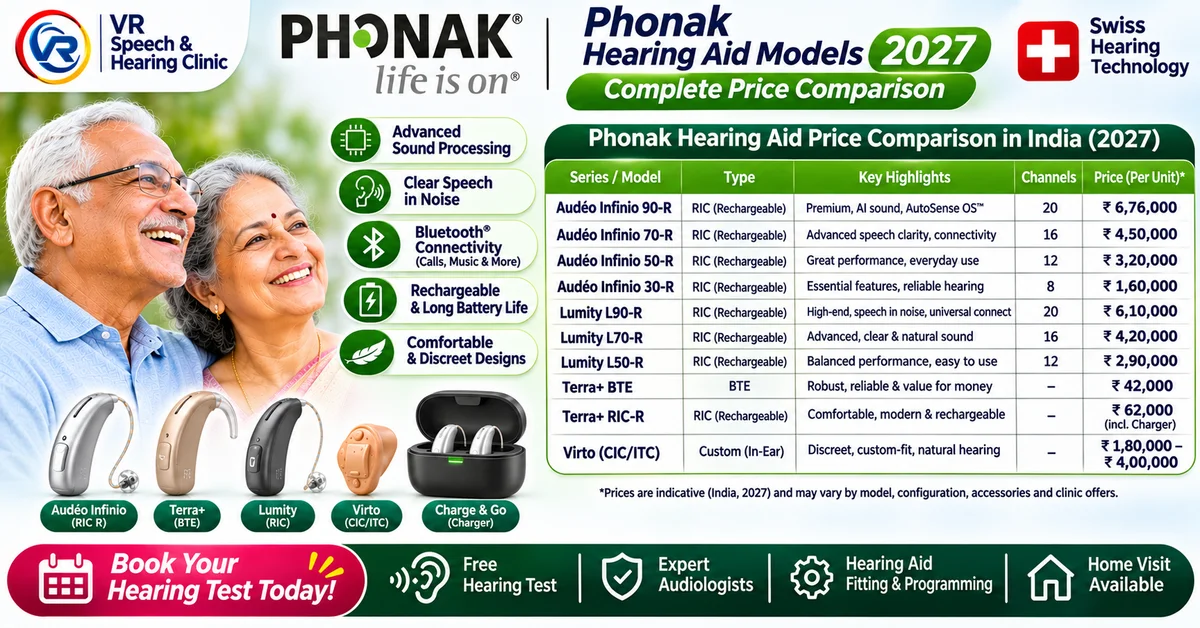
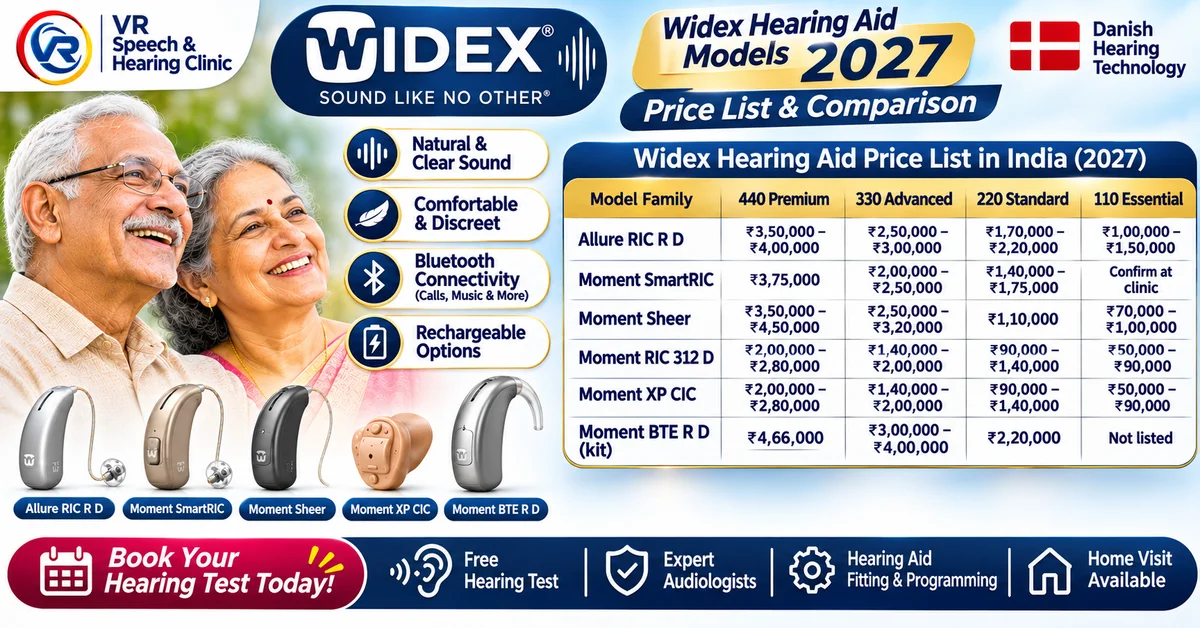
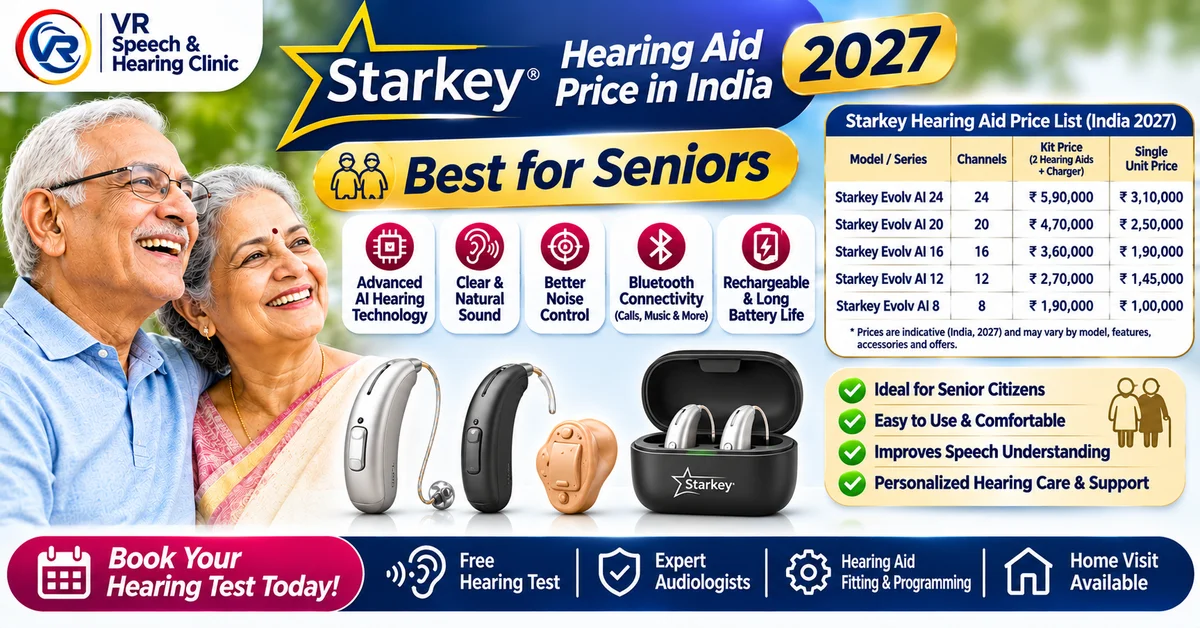
Honesty matters here. German hearing aids are excellent, but they are not the only good option. Other countries, including Switzerland, Denmark and the United States, also produce outstanding devices.
The best hearing aid is the one that matches your type and degree of hearing loss, your daily routine, your budget and your comfort preferences, and is programmed correctly. Origin is a useful quality signal, but your audiogram, not a country name, should drive the final decision.
Signs You May Need Hearing Aids
Hearing loss usually develops gradually, so many people do not notice it at first. Consider a hearing test if you:
Often ask people to repeat themselves
Turn the TV or phone volume higher than others prefer
Struggle to follow conversations in groups or noisy places
Find that voices sound muffled or mumbled
Have trouble hearing on the phone
Feel tired after long conversations from the effort of listening
Hear ringing or buzzing in your ears
Untreated hearing loss can affect work, relationships and emotional wellbeing. It has also been linked in research to social withdrawal. Early testing makes treatment easier and adaptation smoother.
Why Professional Fitting Matters More Than the Brand
The most advanced hearing aid will underperform if it is poorly fitted or programmed. A proper process includes a comprehensive hearing evaluation, a device recommendation based on your results, careful programming and follow-up visits to fine-tune the settings.
There is also an adjustment period. Your brain needs time, often several weeks, to relearn how to process sounds it has been missing. A good audiologist will guide you through this stage, set realistic expectations and make changes as you go. This is why buying hearing aids from a trusted clinic is far better than buying a device without guidance.
Which Type of User Benefits Most?
German hearing aids suit a wide range of people:
Working professionals who need clear speech in meetings and phone calls
Seniors who want simple, rechargeable and comfortable devices
Active users who need dependable performance outdoors
Tech-friendly users who want Bluetooth streaming and app control
First-time users who want a natural sound that is easy to accept
Whatever your profile, a hearing evaluation will show which features you actually need and which you can skip.
Hearing Care in Maharashtra: VR Speech and Hearing Clinic
If you are looking for hearing aids in Ahilyanagar (Ahmednagar) or Chhatrapati Sambhajinagar (formerly Aurangabad), VR Speech and Hearing Clinic offers professional hearing care across two convenient locations.
Ahilyanagar (Ahmednagar) Branch:
Shop No. 3, Vitthal Apartment, Pipeline Road, Near Bhistabag Chowk, Ahilyanagar (Ahmednagar), Maharashtra 414003
Chhatrapati Sambhajinagar Branch:
Second Floor, Vasantrao Naik Chowk, N-3, CIDCO, Opposite Hotel Deepali Executive, Chhatrapati Sambhajinagar, Maharashtra 431003
A visit gives you the chance to have your hearing assessed, understand your results in plain language and compare suitable hearing aid options, including German-engineered technology, based on your needs and budget. You do not have to guess which device is right for you.
How to Choose the Right Hearing Aid
Keep these points in mind when you compare options:
Start with a hearing test, not a product
Choose based on listening needs, such as noisy places, phone calls or TV
Decide whether rechargeable or battery-operated suits you better
Ask about warranty, service support and repair turnaround
Check the cost of long-term maintenance, not just the purchase price
Ask about trial periods and follow-up appointments
Pick a clinic that offers ongoing care, since your hearing can change over time
Final Thoughts
German hearing aids are gaining ground because they combine precision engineering, natural sound, smart noise handling and long-term reliability. For many users, that adds up to better conversations, more confidence and an easier return to the activities they love.
Still, the best results come from the right device fitted by the right professional. If you or a loved one is struggling to hear clearly, do not wait for the problem to get worse. Book a hearing evaluation at VR Speech and Hearing Clinic in Ahilyanagar (Ahmednagar) or Chhatrapati Sambhajinagar and take the first step toward clearer hearing.
Frequently Asked Questions (FAQs)
1. Why are German hearing aids so popular?
They are valued for precision engineering, natural sound quality, strong speech clarity in noise, durability and modern features like Bluetooth and rechargeable batteries.
2. Are German hearing aids better than other brands?
Not automatically. Many countries make excellent hearing aids. What matters most is choosing a device that suits your hearing loss and lifestyle and having it properly fitted by an audiologist.
3. How do I know which hearing aid is right for me?
A hearing test reveals your type and degree of hearing loss. Your audiologist then recommends a style and technology level based on your results, daily activities and budget.
4. Are rechargeable hearing aids worth it?
For many people, yes. They remove the need to change small batteries, which helps seniors especially, and they usually last a full day on one charge.
5. How long does it take to get used to hearing aids?
Most people need a few weeks to adjust, since the brain has to relearn how to process missing sounds. Follow-up visits for fine-tuning help this process.
6. Where can I get hearing aids in Ahilyanagar and Chhatrapati Sambhajinagar?
VR Speech and Hearing Clinic has branches near Bhistabag Chowk in Ahilyanagar (Ahmednagar) and at Vasantrao Naik Chowk, CIDCO, in Chhatrapati Sambhajinagar.