Fungal Ear Infection (Otomycosis): Causes, Symptoms & Treatment
Fungal Ear Infection (Otomycosis): Causes, Symptoms, and Treatment
Ear infections are common, but not all of them are caused by bacteria. A fungal ear infection, medically known as otomycosis, is a form of otitis externa caused by fungal organisms growing in the ear canal. It can affect adults and children alike, and while it's rarely dangerous, it can be persistent, uncomfortable, and easy to mistake for a regular bacterial ear infection. At VR Speech and Hearing Clinic, we regularly see patients who have tried standard ear drops without relief — often because the underlying cause was fungal, not bacterial.
This article explains what otomycosis is, how it differs from bacterial otitis externa, its symptoms, causes, diagnosis, and the treatment options recommended by clinical guidance such as the NICE CKS on otitis externa.

What Is a Fungal Ear Infection?
Otomycosis is a fungal infection of the external ear canal. It usually develops when fungal spores, most commonly from Aspergillus or Candida species, find a warm, moist environment in which to grow. The outer ear canal, when it stays damp or is repeatedly irritated, becomes an ideal breeding ground for these organisms.
Fungal otitis externa is generally considered a form of chronic otitis externa, meaning symptoms tend to persist for weeks rather than resolving quickly, unlike typical acute bacterial otitis externa which usually comes on rapidly.
Otitis Externa: Acute vs Chronic vs Fungal
Understanding otitis externa helps put fungal ear infections in context:
Acute otitis externa usually has a rapid onset, within 48 hours, and is most often bacterial.
Chronic otitis externa lasts longer than three months and may be caused by an ongoing fungal infection, allergic reaction, or skin condition affecting the ear canal.
Fungal otitis externa (otomycosis) often becomes suspected when a patient does not respond to standard antibacterial ear drops, or when it develops after prolonged use of topical antibiotics.
This is an important distinction because treating a fungal infection with antibacterial drops alone typically will not resolve the problem and may even make fungal overgrowth worse.
Causes and Risk Factors of Otomycosis
Several factors increase the likelihood of developing a fungal ear infection:
Humid or tropical climates
Frequent swimming or water sports (surfing, scuba diving)
Prolonged or repeated use of topical antibiotic ear drops
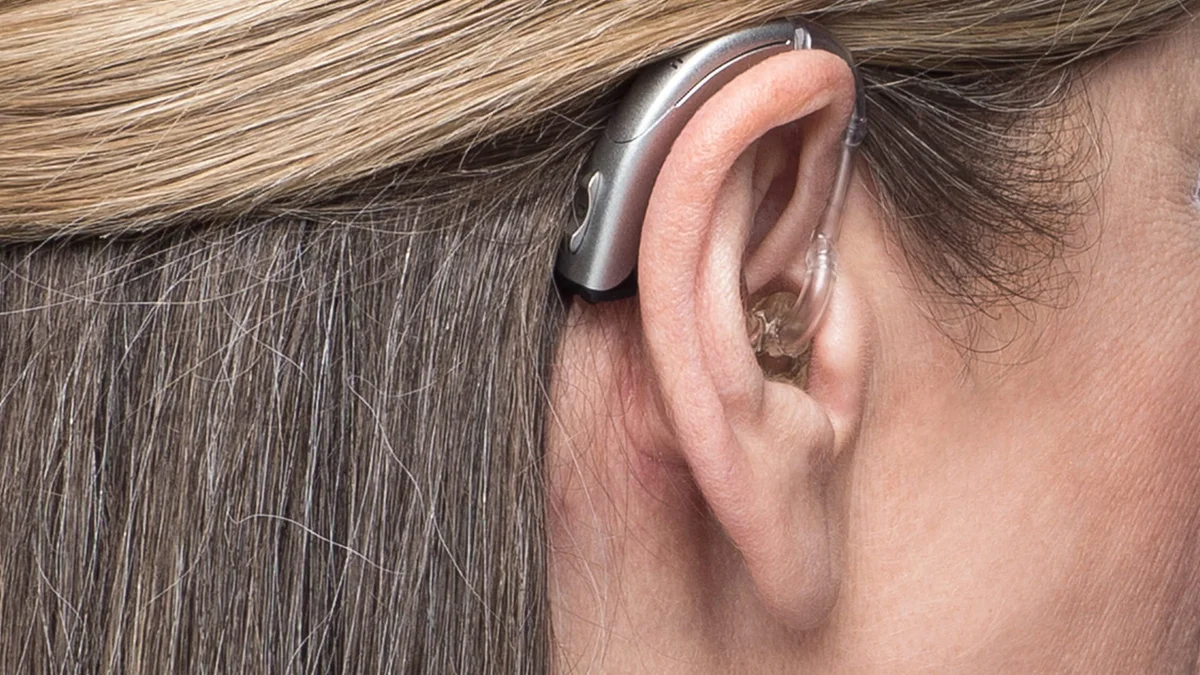
Use of hearing aids or earbuds that trap moisture
Excessive ear cleaning or use of cotton buds, which can damage the protective skin lining of the canal
Diabetes or a weakened immune system
Eczema or other skin conditions affecting the ear canal
Fungal ear infection in children is also fairly common, particularly among children who swim frequently or who have had recurrent ear infections treated with antibiotic drops.
Symptoms of Fungal Ear Infection
Otitis externa symptoms caused by a fungal infection can overlap with bacterial infections but usually have a few distinguishing features:
Persistent itching in the ear canal, often the most noticeable symptom
Discomfort or mild pain
A feeling of fullness or blockage in the ear
Discharge, which may appear thick, and can be white, black, yellow, or grey depending on the fungal species
Whitish, cotton-like debris (often associated with Candida)
Small black or white dots or "wet newspaper"-like debris in the canal (often associated with Aspergillus)
Mild hearing loss due to canal blockage
Redness and flaking of the skin inside the ear canal
If symptoms do not improve after a course of antibiotic ear drops, a fungal cause should be considered.
How Is Otomycosis Diagnosed?
Diagnosis usually starts with a clinical ear examination using an otoscope, which can reveal the visible fungal debris described above. In persistent or unclear cases, a clinician may take an ear swab for fungal microscopy and culture to confirm the diagnosis and identify the specific organism involved. This is particularly useful when initial treatment has failed or when the infection keeps returning.
Fungal Ear Infection Treatment
Treatment of otomycosis differs from treatment of bacterial otitis externa. Key components include:
Aural toilet (ear cleaning): Careful removal of fungal debris and discharge from the ear canal by a trained professional is one of the most important steps in treatment, as it improves the effectiveness of any antifungal drops used afterward.
Antifungal ear drops: Topical antifungal preparations such as clotrimazole solution are commonly used for mild to moderate, uncomplicated fungal ear infections. Acetic acid ear sprays and combination clioquinol/corticosteroid drops may also be considered.
Avoiding topical antibiotics: Antibacterial ear drops are not effective against fungal infections and may encourage further fungal growth, so they are generally avoided once otomycosis is suspected or confirmed.
Keeping the ear dry: Avoiding water exposure, using a hair dryer on a low, cool setting after washing or swimming, and avoiding cotton buds helps the ear canal heal and reduces recurrence.
Specialist referral: If the infection does not respond to initial antifungal treatment, or keeps recurring, referral to an ENT specialist may be recommended for further assessment.
Otomycosis can have a notably high recurrence rate, so completing the full course of treatment and following ear care advice is important even after symptoms improve.
Malignant Otitis Externa: A Rare but Serious Complication
While most fungal and bacterial ear infections are straightforward to treat, a rare and serious complication called malignant (necrotising) otitis externa can occur, mainly in older adults, people with diabetes, or those who are immunocompromised. Warning signs include severe, persistent ear pain, granulation tissue in the ear canal, and symptoms affecting facial nerves. This requires urgent medical assessment and is different from routine fungal or bacterial otitis externa.
Fungal Ear Infections in Children
Children are prone to ear infections generally, partly due to their narrower ear canals and frequent water exposure during play and swimming. A fungal ear infection in children should be suspected if a child has ear itching, discomfort, or discharge that does not improve with standard antibiotic drops, especially after a course of antibiotics for a previous ear infection. Pediatric cases should always be assessed by a qualified clinician, as some antifungal and combination preparations have age restrictions.
When to See a Specialist
You should seek professional evaluation if you or your child have:
Ear symptoms lasting more than a few days that are not improving
Ear discomfort that returns repeatedly after treatment
Visible discharge or debris in the ear canal
Hearing loss alongside ear discomfort
Ear symptoms that developed after finishing a course of antibiotic ear drops
At VR Speech and Hearing Clinic, our team can carry out a thorough ear examination, safely clean the ear canal, and recommend the right treatment approach based on your specific symptoms and history — helping you avoid the trial-and-error of self-treating with the wrong type of ear drops.
Frequently Asked Questions
1. What is the difference between otitis externa and otomycosis?
Otitis externa is a general term for inflammation or infection of the outer ear canal, which can be caused by bacteria, fungi, or skin conditions. Otomycosis specifically refers to otitis externa caused by a fungal infection.
2. How do I know if my ear infection is fungal or bacterial?
Fungal infections often cause intense itching, visible cotton-like or dot-like debris in the ear canal, and tend to persist despite antibiotic ear drops. A clinical examination, and sometimes an ear swab, is needed to confirm the cause.
3. Can fungal ear infections heal on their own?
Fungal ear infections rarely resolve without treatment and often worsen or become chronic if left unaddressed. Proper ear cleaning and antifungal treatment are usually needed.
4. Are antifungal ear drops available over the counter?
Some antifungal ear preparations require a prescription, and self-treating without a proper diagnosis can delay recovery or mask an underlying issue. It's best to have the ear examined before starting treatment.
5. Can swimming cause a fungal ear infection?
Yes. Frequent water exposure keeps the ear canal moist, which creates favorable conditions for fungal growth, making swimmers more prone to otomycosis.
6. Is a fungal ear infection contagious?
Otomycosis is not typically considered contagious from person to person in the way a cold or flu might be, as it usually develops due to local conditions within an individual's own ear canal rather than direct transmission.
7. How long does it take to treat a fungal ear infection?
With proper cleaning and antifungal treatment, many cases improve within one to two weeks, though otomycosis has a tendency to recur, so completing the full treatment course and follow-up care is important.
8. Can children get fungal ear infections?
Yes, fungal ear infections in children are fairly common, particularly in those who swim often or who have recently completed a course of antibiotic ear drops.
9. What happens if a fungal ear infection is left untreated?
Untreated otomycosis can lead to prolonged discomfort, hearing difficulty due to canal blockage, and in rare cases, complications, particularly in people with diabetes or weakened immunity. Persistent infections should always be assessed by a professional.
10. When should I visit VR Speech and Hearing Clinic for an ear infection?
If your ear symptoms are not improving with standard treatment, keep recurring, or are accompanied by discharge, itching, or hearing changes, it's a good time to schedule an evaluation for an accurate diagnosis and targeted treatment.