Early Signs of Age-Related Hearing Decline: 12 Clues
Do you often feel that people around you have started to mumble? Do you keep turning the television volume higher while your family complains it is too loud? These small moments are easy to brush aside as a normal part of getting older. In reality, they may be the first signs of age-related hearing decline.
Age-related hearing loss develops so slowly that most people do not notice it for years. The brain quietly adjusts, you start guessing words, and life carries on. But the earlier you recognise the warning signs, the more you can do to protect your hearing, your relationships and your overall health.
In this guide, you will learn what age-related hearing loss is, the 12 most common early signs, what causes it, why you should not ignore it and what steps to take next.
What Is Age-Related Hearing Loss?
Age-related hearing loss, medically known as presbycusis, is a gradual, permanent reduction in hearing that occurs as we grow older. It usually affects both ears equally and is one of the most common health conditions among older adults. The World Health Organization estimates that more than a quarter of people over the age of 60 live with disabling hearing loss.
Inside your inner ear is a snail-shaped organ called the cochlea. It contains thousands of tiny hair cells that convert sound vibrations into electrical signals for the brain. These hair cells do not regenerate. Over decades of exposure to everyday noise, ageing and wear, they gradually become damaged or die, and sound signals reach the brain weaker and less clear.
Presbycusis typically begins by affecting high-pitched sounds first. That is why many people can still hear a loud truck outside but cannot follow a soft-spoken grandchild.
Why Hearing Decline Is So Easy to Miss
Hearing loss is often called an invisible condition. There is no pain, no swelling and no obvious symptom to alert you. Instead, the change happens at an extremely slow pace, sometimes over ten years or more.
There are three reasons it goes unnoticed:
First, your brain compensates by filling in missing words using context. Second, you naturally change your habits, such as sitting closer to the speaker or avoiding noisy places, without realising why. Third, many people feel embarrassed and assume that hearing problems are a sign of weakness or old age they must simply accept.
That is why family members and friends often notice the problem before the person experiencing it does.
12 Early Signs of Age-Related Hearing Decline
1. You Often Ask People to Repeat Themselves
If “What?” and “Sorry, can you say that again?” have become part of your daily vocabulary, take note. Needing frequent repetition, especially from people you know well, is one of the most classic early warning signs.
2. Conversations Sound Like Mumbling
You can hear that people are speaking, but the words seem unclear or blurred. Consonant sounds such as s, f, th, sh and t are high-pitched and are among the first to fade, so speech feels muffled even when it is loud enough.
3. Trouble Following Conversations in Noisy Places
Restaurants, weddings, family gatherings and busy markets become exhausting. Your ears struggle to separate speech from background noise. If you used to enjoy social events but now feel lost or tired in them, this is a strong early indicator.
4. You Turn Up the Volume Higher Than Others Prefer
When the television, radio or phone volume is set so high that others find it uncomfortable, your hearing threshold may have shifted. Family members commenting on the volume is a sign worth taking seriously.
5. Difficulty Hearing Women’s and Children’s Voices
Because higher-pitched voices are affected first, you may find it harder to understand women, children and grandchildren than men with deeper voices. Many people mistakenly blame the speaker for speaking too softly or too fast.
6. Trouble Hearing on the Phone
Phone calls remove visual cues like lip movements and facial expressions. If you struggle to follow calls, prefer text messages or hand the phone to someone else, your hearing may be declining.
7. Ringing, Buzzing or Hissing in the Ears
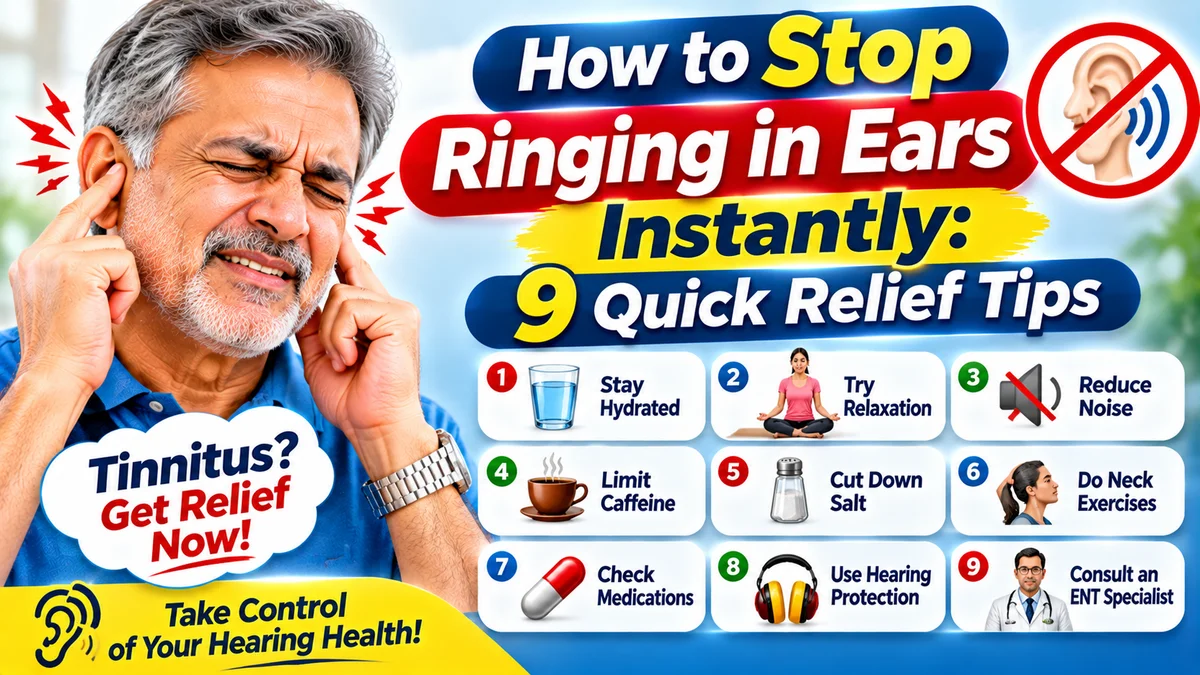
A persistent ringing, humming or hissing sound, known as tinnitus, often accompanies early hearing loss. It may come and go at first and be more noticeable in quiet rooms at night. Tinnitus does not always mean hearing loss, but the two frequently appear together.
8. You Miss Everyday Sounds
Doorbells, phone rings, microwave beeps, birdsong, running water and turn signals may become faint or disappear altogether. If you realise you no longer hear sounds that others mention, your high-frequency hearing may be fading.
9. You Feel Tired After Social Interaction
Listening effort is real. When your ears deliver incomplete information, your brain works overtime to decode every sentence. This extra mental strain, often called listening fatigue, can leave you drained after a long conversation or meeting.
10. You Watch Faces and Lips Closely
Have you started relying on lip movements and facial expressions to understand speech? This habit, often unconscious, helps the brain fill gaps. If you struggle more when someone turns away or speaks from another room, take it as a clue.
11. You Avoid Social Situations
Withdrawing from gatherings, declining invitations or staying quiet in group chats can be an emotional response to hearing difficulty. Many people hide the problem by avoiding situations where they might feel embarrassed.
12. Difficulty Knowing Where Sounds Come From
If you cannot easily tell which direction a voice, a car horn or a phone ring is coming from, your ears may not be working together as well as before. This can be a safety concern, especially in traffic.
What Causes Age-Related Hearing Decline?
Ageing itself is the main cause, but several factors can speed up the process or make it more severe:
Long-term noise exposure. Years of exposure to traffic, loud machinery, construction, loud music or headphones at high volume damage inner ear hair cells over time.
Genetics. If your parents or grandparents experienced early hearing loss, you may be more likely to develop it too.
Medical conditions. Diabetes, high blood pressure, heart disease and poor circulation can reduce blood flow to the delicate structures of the inner ear.
Certain medications. Some drugs, including specific antibiotics, chemotherapy medicines and high doses of aspirin, can be harmful to hearing. Never stop a prescribed medicine without speaking to your doctor.
Smoking. Tobacco use is linked with a higher risk of hearing loss because it affects blood vessels and oxygen supply to the ear.
Earwax and infections. These do not cause permanent age-related loss, but they can make hearing worse and are worth ruling out during a check-up.
Why You Should Not Ignore Early Hearing Loss
Many people wait years before seeking help. Unfortunately, untreated hearing loss does not stay mild and does not affect only your ears.
Social isolation and loneliness. Struggling to follow conversations makes people withdraw from friends and family, which can lead to low mood and anxiety.
Cognitive health. Research, including work highlighted by the Lancet Commission on dementia prevention, identifies hearing loss as a significant modifiable risk factor for cognitive decline. Keeping the brain well stimulated with clear sound appears to be important.
Safety risks. Missing alarms, horns, doorbells or warnings can put you at risk at home and outdoors. Some studies also link hearing loss with a higher risk of falls.
Relationships. Misunderstandings, frustration and repeated requests for repetition can strain communication with spouses, children and grandchildren.
Brain adaptation. The longer the brain goes without clear sound, the harder it can become to adapt to amplification later. Early action usually leads to better results.
A Quick Self-Check You Can Do at Home
A home check can never replace a professional hearing test, but it can tell you whether it is time to book one. Ask yourself:
Do I often feel people are mumbling?
Do I struggle to follow conversations when there is background noise?
Do family members say the television is too loud?
Do I miss the doorbell or phone ringing?
Do I find phone calls difficult?
Do I feel tired or stressed after social events?
Do I have ringing in my ears?
If you answered yes to two or three of these questions, schedule a hearing evaluation. If you answered yes to more, do not wait.
When Should You See an Audiologist?
See a qualified audiologist or ENT specialist if you notice any of the signs above, if family members mention a change in your hearing, or if you simply have not had your hearing checked in a long time. Adults over 50 benefit from having a baseline test, and many experts recommend repeating it every few years.
Seek urgent medical attention if you experience sudden hearing loss in one ear, sudden dizziness, ear pain, discharge from the ear or a sudden onset of tinnitus. These can be signs of conditions that need prompt treatment, and they are different from gradual age-related decline.
What to Expect During a Hearing Test
A hearing test is painless, quick and non-invasive. It usually takes less than an hour. The audiologist will begin by asking about your health history and your symptoms, then examine your ear canal and eardrum. Next, you will listen to soft beeps at different pitches through headphones and press a button when you hear them. This is called pure tone audiometry. A speech test may also be done to check how clearly you understand words, with and without background noise.
The results are displayed on a chart called an audiogram, which shows which pitches you hear well and which ones you miss. Your audiologist will explain what it means in plain language and recommend the right next step.
Treatment and Management Options
Age-related hearing loss cannot be reversed, but it can be managed very effectively.
Hearing aids. Modern hearing aids are small, discreet and powerful. They use digital processing to amplify the sounds you miss, reduce background noise and improve speech clarity. Many are rechargeable and can connect to smartphones.
Assistive listening devices. Amplified phones, TV listening systems and alerting devices for doorbells and alarms can make daily life easier.
Communication strategies. Face the speaker, reduce background noise, ask people to speak clearly rather than loudly and choose quieter seating when you go out.
Tinnitus management. Sound therapy, counselling and hearing aids with masking features can help reduce the impact of ringing in the ears.
Medical review. Your doctor may also check for wax blockage, infection or other treatable causes that make hearing worse.
The best results come from starting early, when the brain still remembers sounds clearly and adapts quickly to new input.
How to Protect Your Hearing as You Age
You cannot stop ageing, but you can slow the damage:
Keep headphone volume below 60 percent and take listening breaks.
Wear ear protection around loud machinery, firecrackers, concerts and construction.
Never insert cotton buds, pins or sharp objects in your ears.
Manage blood pressure, blood sugar and cholesterol.
Quit smoking and stay physically active.
Eat a balanced diet rich in fruits, vegetables and healthy fats.
Have your hearing checked regularly, even if you feel fine.
Conclusion
Age-related hearing decline begins quietly, but its early signs are clear when you know what to look for: asking people to repeat themselves, mumbled-sounding speech, trouble in noisy places, high television volume, ringing in the ears and tiredness after conversations. Recognising these clues early gives you the best chance to stay connected, safe and independent.
If any of these signs sound familiar, do not wait for the problem to become severe. A simple, painless hearing test can give you answers and a clear plan. Better hearing is not just about sound. It is about staying part of every conversation that matters to you.
Frequently Asked Questions (FAQs)
1. At what age does age-related hearing loss usually begin?
It can begin as early as the 40s or 50s, but it is most noticeable after the age of 60. The age of onset varies depending on genetics, noise exposure and overall health.
2. Is age-related hearing loss reversible?
No. The inner ear hair cells that are damaged do not grow back. However, hearing aids and other devices can restore access to sound very effectively and help you communicate comfortably.
3. How do I know if my hearing loss is age-related or caused by something else?
Age-related hearing loss is gradual and affects both ears similarly. Sudden loss, loss in only one ear, ear pain, discharge or dizziness suggests another cause and needs prompt medical evaluation.
4. Can ringing in the ears be an early sign of hearing loss?
Yes. Tinnitus often appears alongside early hearing loss, although it can also have other causes. If you have persistent ringing, an audiologist can help find the reason.
5. Can hearing loss increase the risk of dementia?
Studies show an association between untreated hearing loss and a higher risk of cognitive decline. Early detection and treatment are considered one of the practical ways to support brain health as we age.
6. How often should older adults get their hearing tested?
A baseline test is advised from around age 50, followed by a check every one to three years, or sooner if you notice any changes in your hearing.
7. Do I need hearing aids if my hearing loss is mild?
Not always, but mild hearing loss can still affect conversations in noise. Your audiologist will recommend what suits your hearing needs, lifestyle and comfort.