Comfortable Hearing Aids for Seniors: Best Picks
Introduction
Choosing comfortable hearing aids for an elderly patient takes more than picking the loudest device on the shelf. Many older adults leave their hearing aids in a drawer because they pinch, itch, whistle or feel too fiddly to handle. The best hearing aids for seniors are the ones that actually get worn every day, and that comes down to a light fit, simple controls and sound that feels natural from the first week.
This guide explains what makes hearing aids comfortable for seniors, compares the most suitable styles, and highlights trusted models worth discussing with an audiologist.
Why Comfort Matters So Much for Older Adults
Age-related hearing loss is one of the most common health conditions in older adults, yet many people wait years before getting help. When they finally do, discomfort is one of the biggest reasons they stop wearing their devices. Ear canals can become drier and more sensitive with age, skin is thinner, and arthritis or tremors can make small devices hard to insert, clean or charge.
Untreated hearing loss is linked with social withdrawal, loneliness and a higher risk of cognitive decline, so a device that is easy and pleasant to wear can make a real difference to independence and quality of life. Comfort is not a luxury feature. It is what makes treatment work.
Key Features of Comfortable Hearing Aids for Seniors
Lightweight, Soft-Fitting Design
Look for slim, lightweight shells and soft silicone domes or ear tips that sit gently in the ear canal. A custom earmold made from an impression of the patient’s ear gives the most secure, pressure-free fit, especially for people with sensitive skin or unusually shaped ears.
Rechargeable Batteries
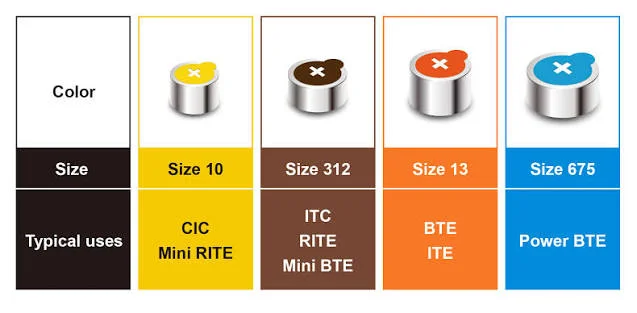
Tiny disposable batteries are hard to handle with stiff fingers or poor eyesight. Rechargeable hearing aids with a simple drop-in charging case remove that struggle, and many models deliver a full day of use on a single charge.
Simple, Easy-to-Use Controls
Large buttons, clear tactile feedback and automatic sound adjustment help patients who do not use smartphones. Family members or caregivers can still manage settings through an app if needed.
Automatic Noise and Feedback Control
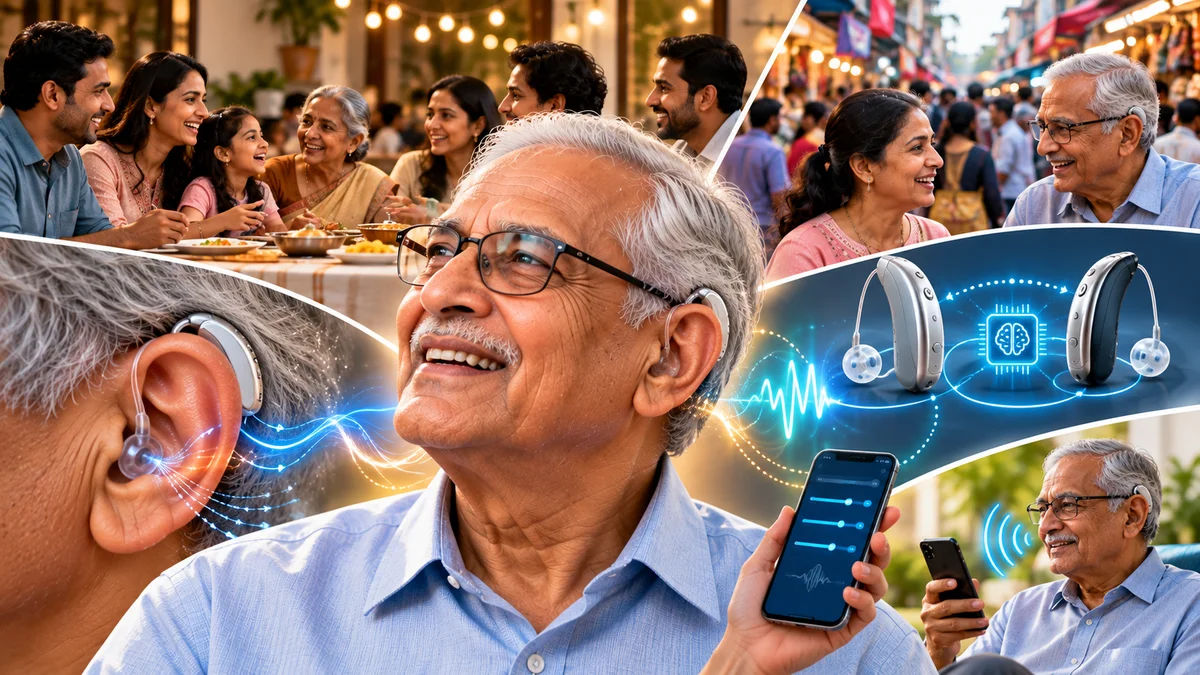
Modern hearing aids use artificial intelligence to separate speech from background noise in restaurants and at family gatherings. Strong feedback management also reduces the whistling that frustrates many first-time wearers.
Wax and Moisture Protection
Earwax guards and a water-resistance rating such as IP68 protect devices from everyday wear and make cleaning easier.
Best Hearing Aid Styles for Elderly Patients
Receiver-in-canal (RIC). The main body sits behind the ear, with a thin wire leading to a small speaker in the canal. It is light, discreet and comfortable, and the open fit reduces the blocked-up feeling. A popular choice for mild to severe hearing loss.
Behind-the-ear (BTE). Larger and sturdier, with bigger controls and easier handling. Often the best option for severe hearing loss or limited dexterity.
In-the-ear (ITE) and in-the-canal (ITC). Custom-made shells that fill part of the outer ear. They are easier to place than tiny models and suit patients who dislike anything behind the ear, though earwax can affect them more.
Completely-in-canal (CIC) and invisible-in-canal (IIC). Nearly hidden, but very small. They are harder to handle and often have shorter battery life, so they suit patients with good dexterity and mild to moderate loss.
Over-the-counter (OTC) hearing aids. Available without a prescription for adults with perceived mild to moderate hearing loss. They are convenient and more affordable, but offer less personalised fitting, so they work best for patients who are confident with technology or have family support.
Comfortable Hearing Aids to Consider
Hearing aid lineups change often, so confirm current models and availability with a licensed hearing professional. These families are widely recommended for comfort and ease of use:
Phonak Audéo Infinio range: a rechargeable receiver-in-canal design known for strong speech clarity in noisy places and a slim, comfortable profile.
Oticon Intent: a natural, open sound with AI-driven processing that adapts to the surroundings, helpful for patients who find sudden loud sounds uncomfortable.
Signia Pure Charge&Go IX: a rechargeable option praised for clear conversation and a simple charging routine.
ReSound Vivia: a compact, lightweight rechargeable model with good smartphone connectivity for tech-comfortable seniors.
Starkey Genesis AI: a rechargeable range with custom-fit styles and health-tracking features, including fall detection on selected models.
Eargo 7: a nearly invisible OTC option that sits inside the canal, suited to mild to moderate hearing loss.
Prices vary widely by clinic and region, so ask for a full breakdown that includes fitting, follow-up adjustments and warranty.
How to Get the Most Comfortable Fit
Start with a hearing test. An audiologist can confirm the type and degree of hearing loss and rule out medical causes such as earwax blockage.
Share daily habits and limitations. Mention dexterity, eyesight and lifestyle so the specialist can match the right style and controls.
Ask for a trial period. Most clinics offer a risk-free window to test comfort at home.
Return for adjustments. Fine-tuning and ear-tip changes can solve most early discomfort.
Build up wearing time gradually. Start with a few hours a day and extend it as the brain adapts to hearing sounds again.
Conclusion
The most comfortable hearing aids for an elderly patient combine a lightweight fit, rechargeable power, easy controls and clear speech in noise. Receiver-in-canal models suit most seniors, while behind-the-ear designs help those with severe loss or limited dexterity. Whatever the brand, professional testing, a proper fitting and a trial period are what turn a good device into a comfortable one. This article is for general information and does not replace advice from a licensed audiologist or doctor.
Frequently Asked Questions (FAQs)
What are the most comfortable hearing aids for elderly people?
Receiver-in-canal models with soft ear tips and custom-molded in-the-ear styles are generally the most comfortable. The right choice depends on the shape of the ear, the degree of hearing loss and the patient’s dexterity.
Which hearing aid is easiest for seniors with arthritis?
Behind-the-ear or receiver-in-canal models with larger buttons and a rechargeable charging case are easiest to handle. Automatic settings reduce the need for fiddly adjustments.
Are rechargeable hearing aids better for seniors?
For most older adults, yes. They remove the need to change tiny batteries, although the patient or a caregiver must remember to charge them each night.
Can seniors buy hearing aids without a prescription?
In the United States, adults with perceived mild to moderate hearing loss can buy OTC hearing aids without a prescription. Rules differ by country, and anyone with more severe loss should see an audiologist.
How long does it take to get used to hearing aids?
Most people adjust within a few weeks, though some need a few months. Wearing the devices daily and attending follow-up fittings speeds up the process.