Cochlear Implant vs Hearing Aid: Key Differences
Introduction
Hearing loss affects millions of people worldwide, and thankfully, modern technology offers effective solutions to help people reconnect with the world of sound. Two of the most common devices used to manage hearing loss are cochlear implants and hearing aids. While both are designed to improve hearing, they work in very different ways and are suited for different degrees of hearing impairment.
If you or a loved one has been diagnosed with hearing loss, understanding the difference between a cochlear implant and a hearing aid can help you make an informed decision. In this article, we break down how each device works, who they are best suited for, and the key differences between them, so you can discuss the right option with your audiologist or ENT specialist.
What Is a Hearing Aid?
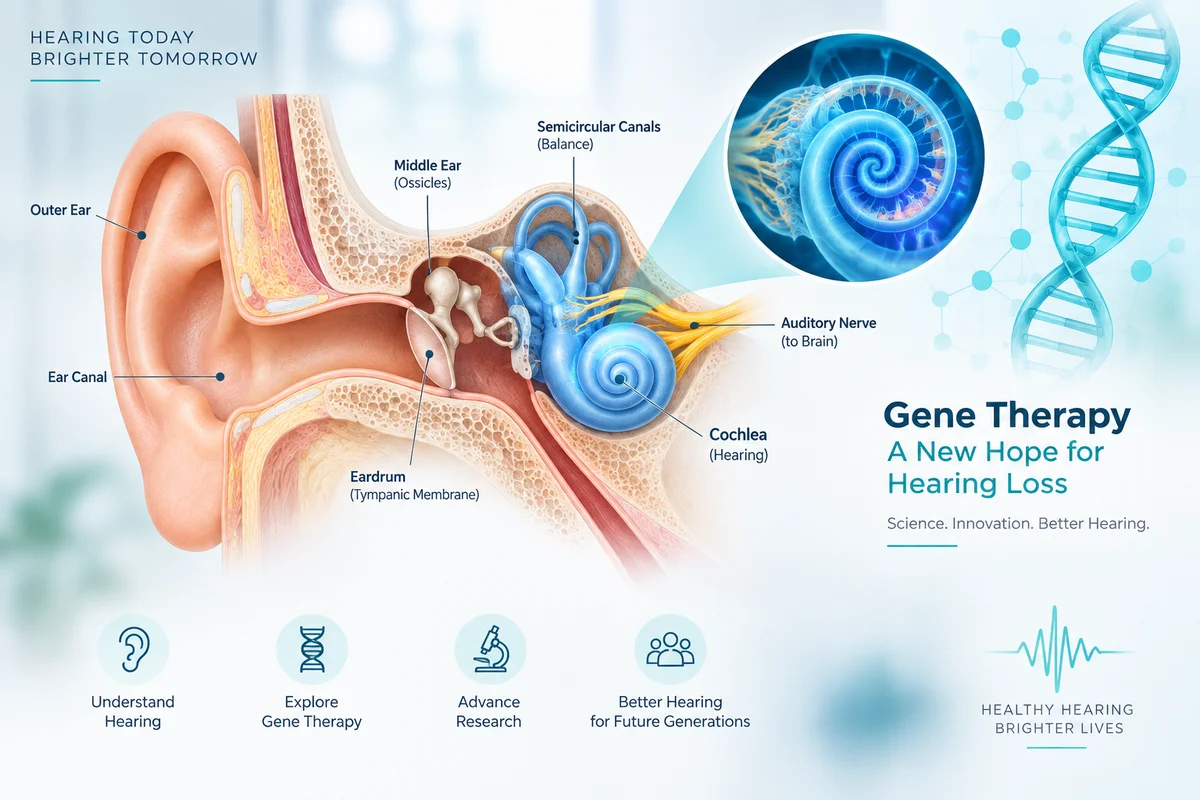
A hearing aid is a small electronic device worn in or behind the ear. It works by amplifying sound so that it is easier for the wearer to hear speech, music, and everyday sounds. Hearing aids are typically recommended for people with mild to severe hearing loss who still have some functioning hair cells in the inner ear (cochlea).
Modern hearing aids come in various styles, including behind-the-ear (BTE), in-the-ear (ITE), and completely-in-canal (CIC) models. Many are now digital, offering features like noise reduction, directional microphones, Bluetooth connectivity, and rechargeable batteries.
How Hearing Aids Work
Hearing aids consist of three basic parts: a microphone, an amplifier, and a speaker. The microphone picks up sound from the environment, the amplifier increases the volume of the sound, and the speaker sends the amplified sound into the ear. Because hearing aids simply make sounds louder, they are most effective for people whose inner ear is still capable of processing sound, just at a reduced capacity.
What Is a Cochlear Implant?
A cochlear implant is a surgically implanted electronic device that provides a sense of sound to individuals with severe to profound hearing loss who receive little to no benefit from hearing aids. Unlike hearing aids, which amplify sound, cochlear implants bypass the damaged parts of the ear entirely and directly stimulate the auditory nerve.
A cochlear implant system has two main components: an external part that sits behind the ear (containing a microphone, speech processor, and transmitter) and an internal part that is surgically placed under the skin (containing a receiver and electrode array inserted into the cochlea).
How Cochlear Implants Work
The external microphone captures sound and sends it to the speech processor, which converts the sound into digital signals. These signals are transmitted through the skin to the internal receiver, which then stimulates the auditory nerve directly through the electrode array. The brain interprets these electrical signals as sound. Because cochlear implants do not rely on the damaged hair cells of the cochlea, they can help people who cannot benefit from traditional amplification.
Key Differences Between Cochlear Implants and Hearing Aids
1. Mechanism of Action
The most fundamental difference lies in how each device functions. Hearing aids amplify sound to make it louder for the ear to process naturally. Cochlear implants, on the other hand, convert sound into electrical signals and stimulate the auditory nerve directly, bypassing the damaged inner ear structures altogether.
2. Candidacy and Severity of Hearing Loss
Hearing aids are generally suitable for individuals with mild to severe hearing loss who still have functional hair cells in the cochlea. Cochlear implants are recommended for individuals with severe to profound hearing loss who gain little or no benefit from hearing aids, including many people who are considered clinically deaf.
3. Surgical vs Non-Surgical
Hearing aids are non-invasive devices that can be fitted and adjusted without any surgical procedure. Cochlear implants require a surgical procedure under general anesthesia to place the internal component of the device. This makes cochlear implants a more involved decision that requires medical evaluation, imaging, and a recovery period.
4. Sound Quality and Adaptation
Since hearing aids amplify natural sound, users often experience a more familiar listening experience, especially if they have wear a hearing aid to correct mild hearing loss. Cochlear implants produce a different type of sound because the brain receives electrical stimulation instead of naturally amplified sound waves. Many implant users need auditory rehabilitation and speech therapy to learn to interpret these new sound signals effectively, but over time, most users report significant improvements in speech understanding.
5. Cost and Maintenance
Hearing aids are generally more affordable than cochlear implants and do not require surgery-related expenses. Cochlear implants involve higher upfront costs due to the surgical procedure, device components, and post-surgical rehabilitation, though many patients find the long-term benefits worth the investment, especially when other treatment options are ineffective.
6. Reversibility
Hearing aids can be removed or replaced at any time without any lasting physical changes. Cochlear implants involve a permanent surgical alteration, and while the external processor can be upgraded or removed, the internal implant remains in place.
7. Age of Use
Hearing aids can be used by people of nearly any age, including infants with mild hearing loss. Cochlear implants are also used across all age groups, including young children with congenital hearing loss, but the decision typically involves a more detailed evaluation process involving audiologists, ENT surgeons, and speech therapists.
Which One Is Right for You?
Choosing between a cochlear implant and a hearing aid depends on several factors, including the severity of hearing loss, the health of the inner ear, personal lifestyle needs, and the results of a comprehensive hearing evaluation. For many people with mild to moderate hearing loss, hearing aids remain the first line of treatment. For those with severe to profound hearing loss who do not benefit sufficiently from hearing aids, a cochlear implant may offer a life-changing improvement in communication and quality of life.
The best way to determine which option suits your needs is through a thorough hearing assessment conducted by a qualified audiologist or ENT specialist. They will evaluate your hearing loss type, degree, and overall ear health before recommending the most suitable solution.
Why Choose VR Speech and Hearing Clinic?
At VR Speech and Hearing Clinic, we understand that every hearing loss journey is unique. Our team of experienced audiologists and speech-language specialists provides comprehensive hearing evaluations, personalized hearing aid fittings, and expert guidance for cochlear implant candidacy assessments. Whether you are exploring hearing aids for the first time or considering a cochlear implant after limited success with amplification, our clinic is committed to helping you find the right solution for better hearing and improved quality of life.
We combine advanced diagnostic technology with compassionate, patient-centered care to ensure that you receive accurate recommendations tailored to your specific hearing needs. From pediatric hearing assessments to adult rehabilitation programs, VR Speech and Hearing Clinic is dedicated to supporting your journey toward clearer, more confident hearing.
Conclusion
Both cochlear implants and hearing aids play essential roles in helping people manage hearing loss, but they serve different needs based on the severity and type of hearing impairment. Hearing aids amplify sound for those with residual hearing ability, while cochlear implants bypass damaged structures to stimulate the auditory nerve directly for those with severe to profound hearing loss. Understanding these key differences can help you make a more informed decision about which solution is best suited to your hearing health.
If you are unsure which option is right for you or a family member, consult a qualified hearing care professional who can guide you through the evaluation process and recommend the most effective treatment.
FAQs
1. Can a person use both a hearing aid and a cochlear implant?
Yes, some individuals use a hearing aid in one ear and a cochlear implant in the other, a configuration known as bimodal hearing, which can improve overall sound perception and speech understanding.
2. Is cochlear implant surgery painful or risky?
Cochlear implant surgery is generally safe and performed under general anesthesia. As with any surgery, there are minor risks, but complications are rare, and most patients recover within a few weeks.
3. How long does it take to adjust to a cochlear implant?
Adjustment periods vary by individual, but most users require several months of auditory rehabilitation and speech therapy to fully adapt to the new sound signals.
4. Are hearing aids effective for severe hearing loss?
Hearing aids can help some individuals with severe hearing loss, but if they provide little benefit, a cochlear implant evaluation may be recommended.
5. Do children qualify for cochlear implants?
Yes, children with severe to profound hearing loss, including infants, may be candidates for cochlear implants after a thorough evaluation by an audiologist and ENT specialist.
6. How do I know which device is right for me?
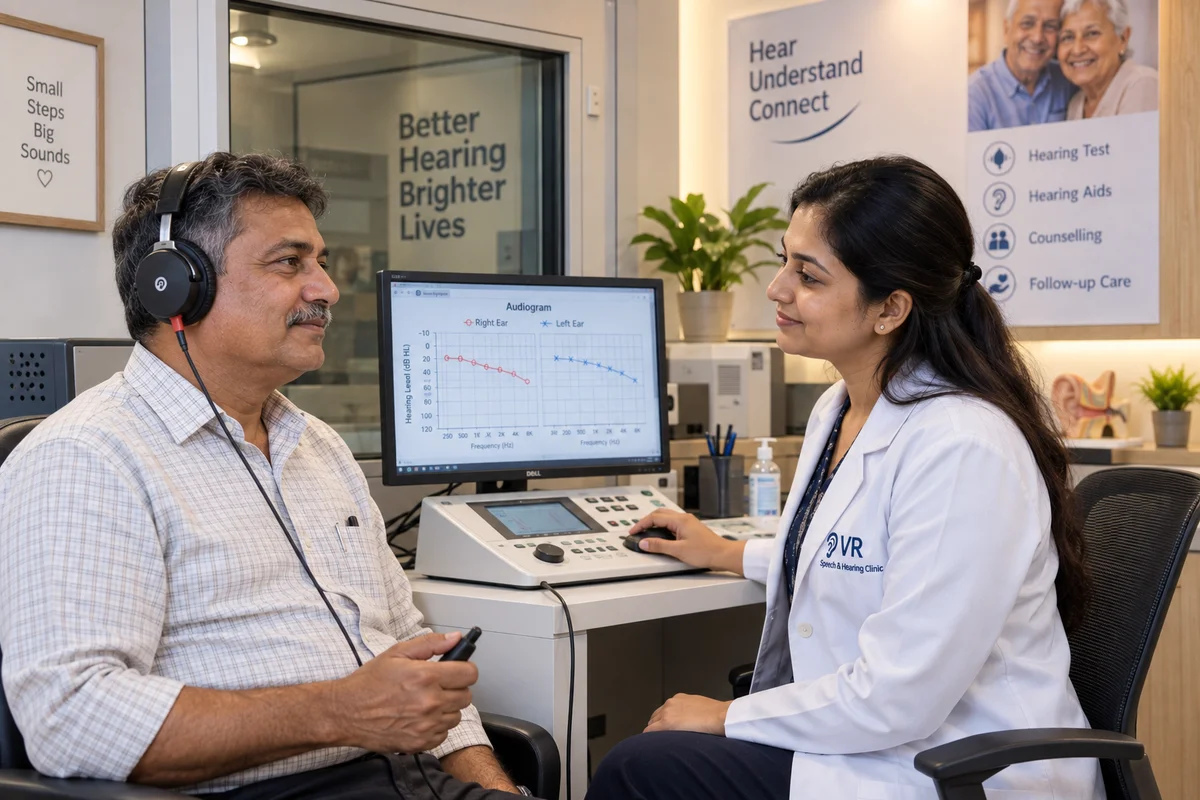
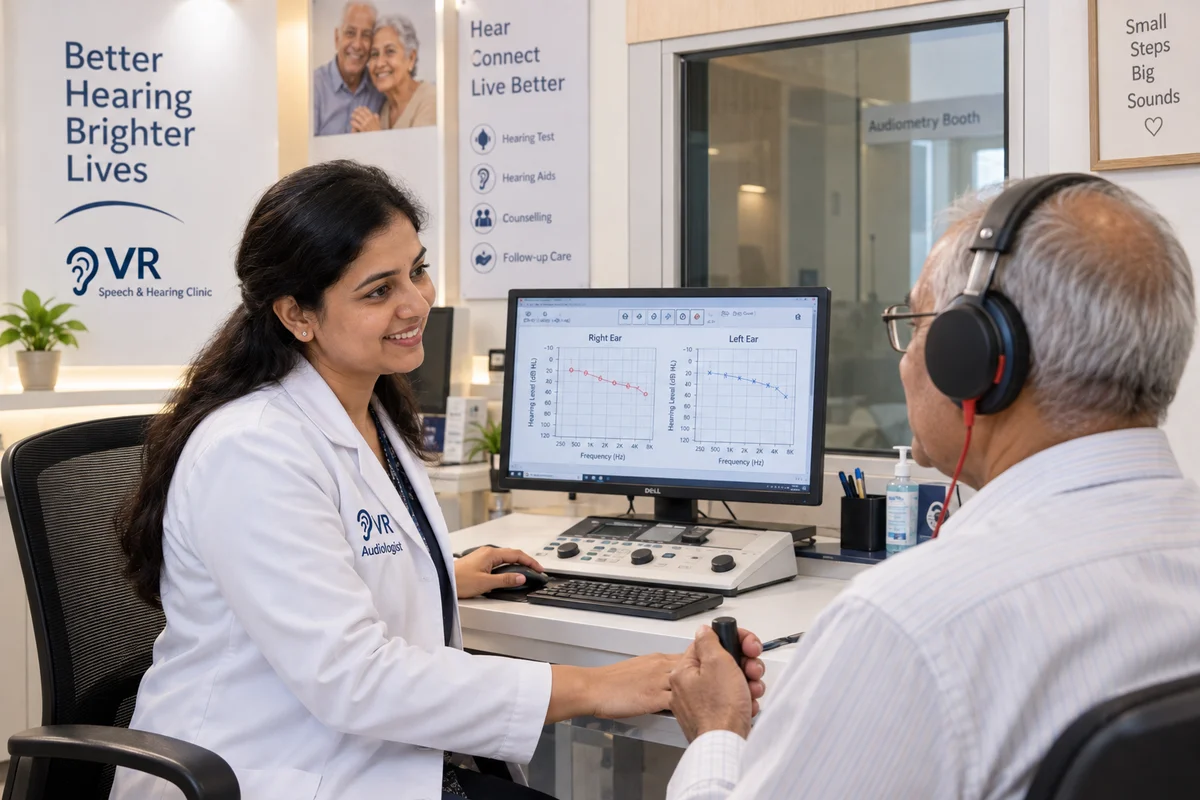
A comprehensive hearing evaluation, including audiometric testing and speech recognition assessments, will help determine whether a hearing aid or cochlear implant is the better option for your specific hearing loss.