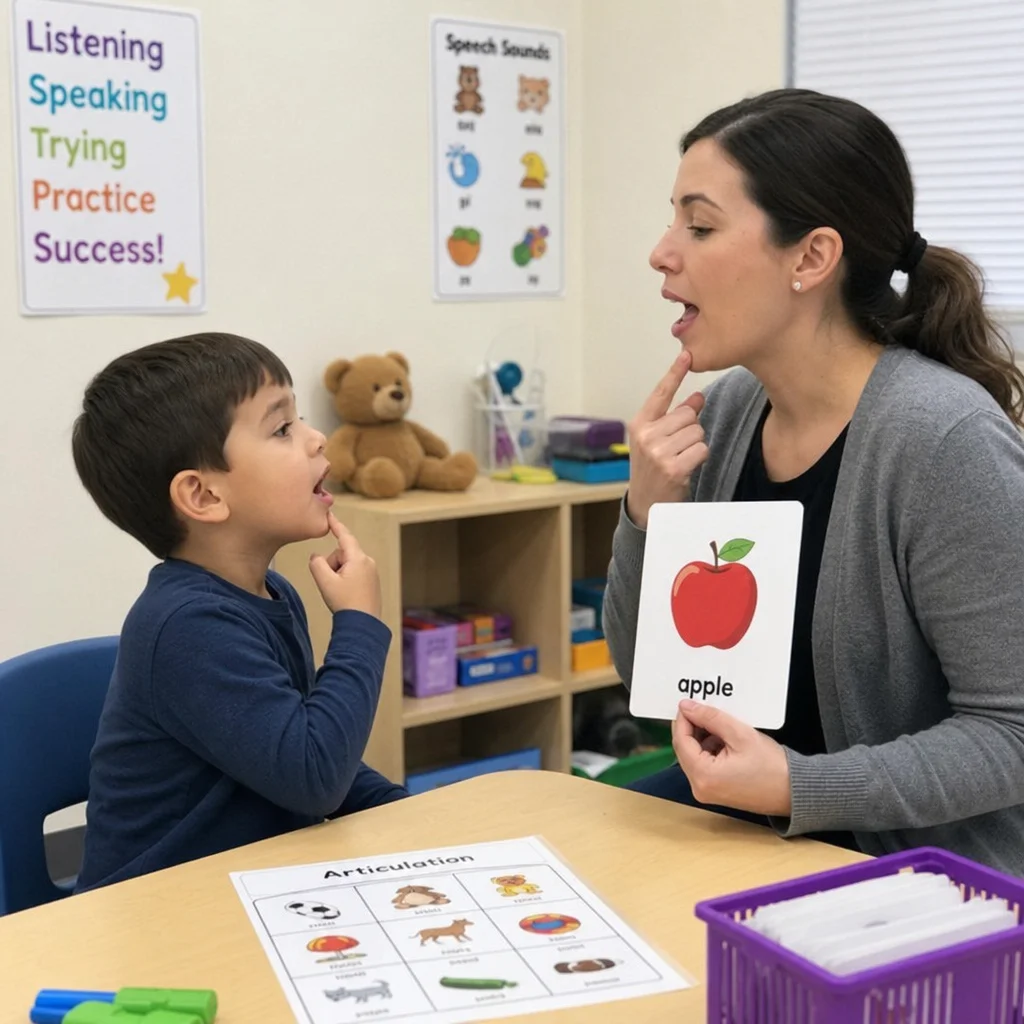
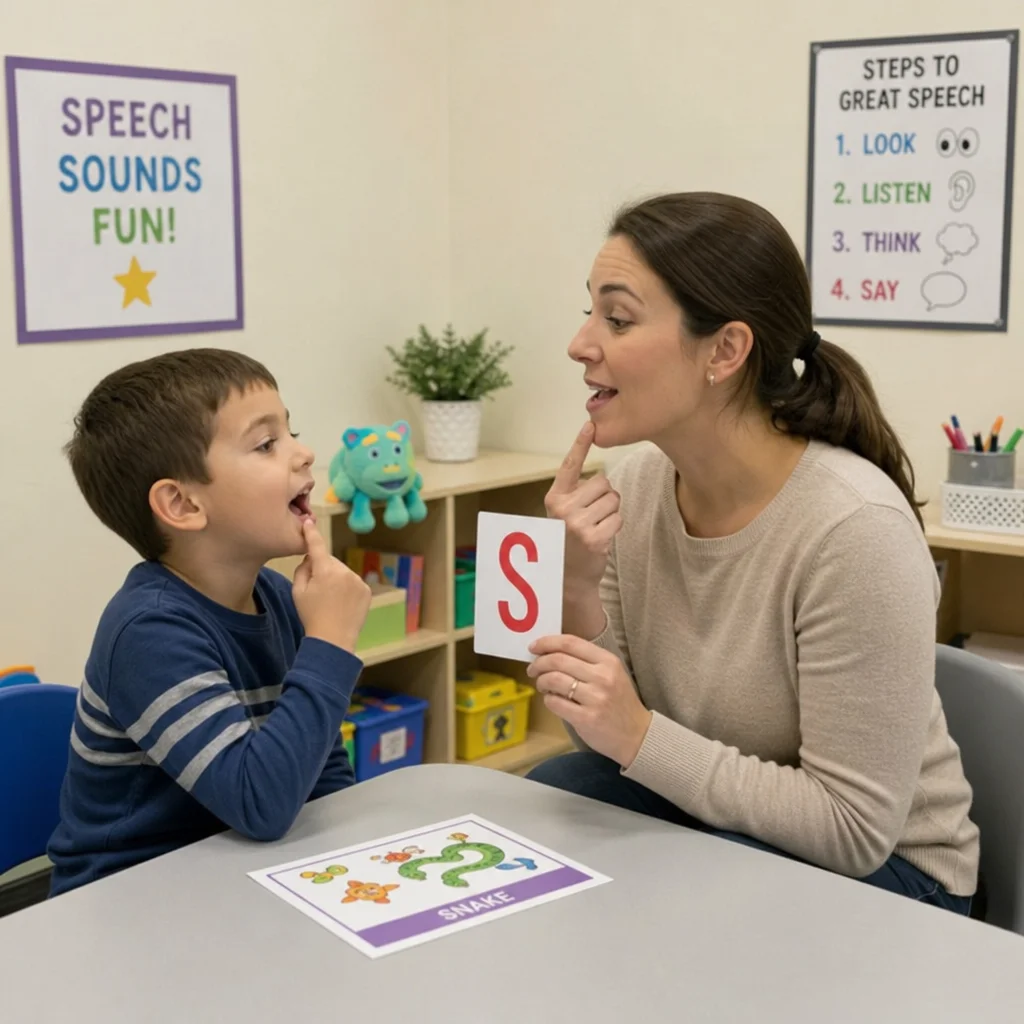
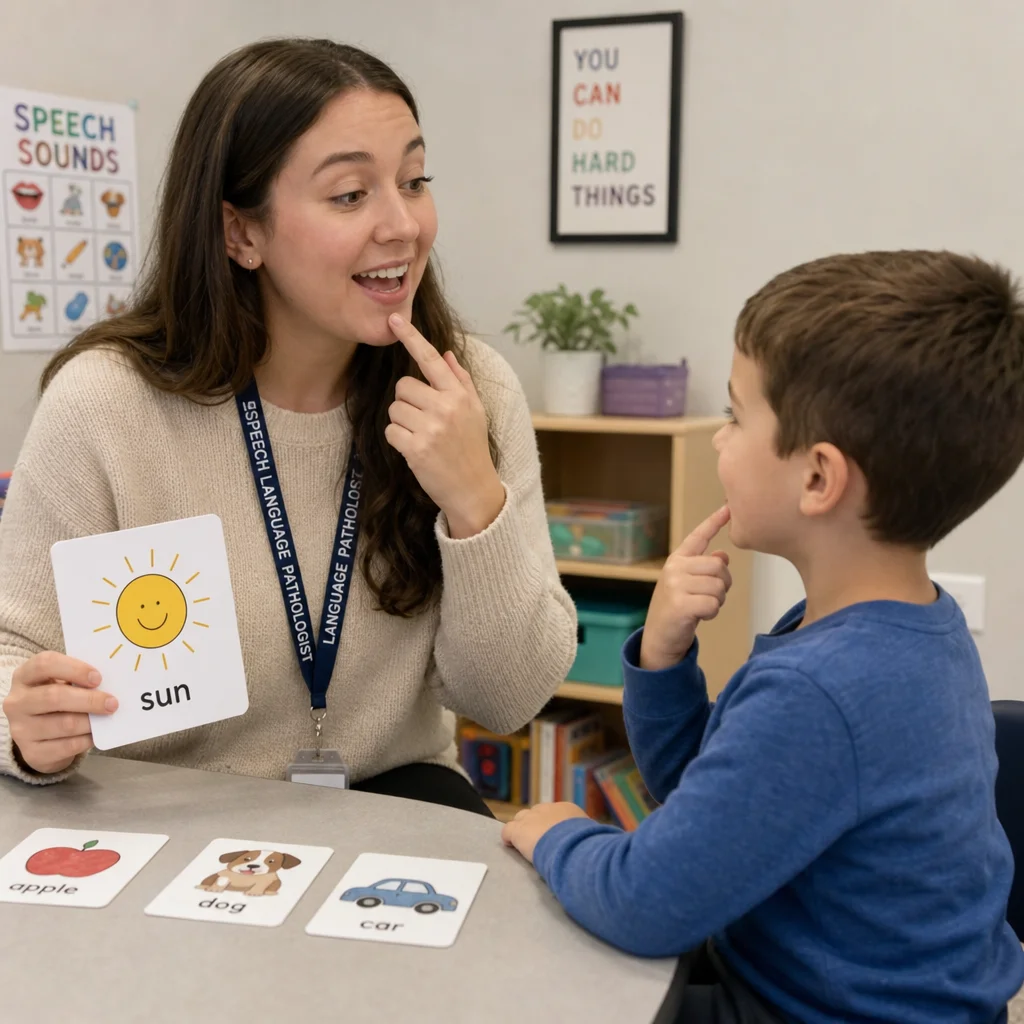
Boost Your Child's Speech: Key Development Tips
Tips For Your Child s Speech and Language Development
Hearing your little one utter their very first word is a magical moment for any parent. But the journey from a baby’s first coo to a toddler’s imaginative storytelling is a complex process. If you are looking for effective, actionable tips for your child's speech and language development, you have come to the right place.
Building strong communication habits at home can dramatically influence your child’s lifelong ability to learn, connect, and thrive. From understanding the basics of child linguistics to utilizing expert language modeling strategies, parents hold the most powerful tools for fostering early communication.
Let’s dive deep into the fascinating world of early communication, exploring practical strategies, developmental milestones, and expert advice to help your child find their voice.
Understanding the Roadmap of Child Linguistics
Before we discuss actionable strategies, it is essential to understand how language development naturally unfolds. Speech is the physical act of producing sounds, while language refers to the broader concept of understanding (receptive language) and communicating (expressive language) meaning.
Tracking the Milestones
Every child is unique, but referencing a standard child speech development chart can give parents a helpful baseline. These charts outline the typical developmental stages that pediatricians and speech professionals look for.
By familiarizing yourself with child speech development milestones, you can set realistic expectations. For example, while early babbling is expected around six months, true first words usually emerge between 10 and 14 months. It is vital to track not just what they understand, but also their milestones for expressive language skills—such as their ability to point, wave, and eventually string two words together by age two.
Knowing these speech milestones allows you to recognize when your child is on track and when they might need a little extra support.
Foundational Strategies for Babies
The groundwork for robust language skills is laid long before your baby can actually talk. Infants are like sponges, absorbing the sounds, rhythms, and vocabulary of their environment. Here is how you can boost early language in the first year of life.
Joint Attention and Daily Narration
One of the most crucial early communication tips is establishing joint attention. Joint attention activities for babies involve you and your child focusing on the same object or event simultaneously. Whether you are both looking at a rolling ball, a pet dog, or a colorful block, making eye contact with your baby and talking about the object builds the neural pathways required for future conversation.
Pair this with the habit of narrating daily routines to infants. Even though your baby cannot reply, talk them through what you are doing. Say, "I am washing your toes. Splash, splash! Now we are drying off with the warm towel." This constant exposure bathes them in vocabulary and teaches them the natural cadence of conversation.
The Power of Gestures
Before a baby's vocal cords develop enough to articulate clear words, their fine motor skills are already quite advanced. Because of this, teaching simple signs can be incredibly empowering.
The benefits of baby sign language for communication are well-documented. Teaching your baby signs for "more," "milk," "all done," and "help" gives them a reliable way to express their needs, significantly reducing toddler tantrums and bridging the gap until spoken words arrive.
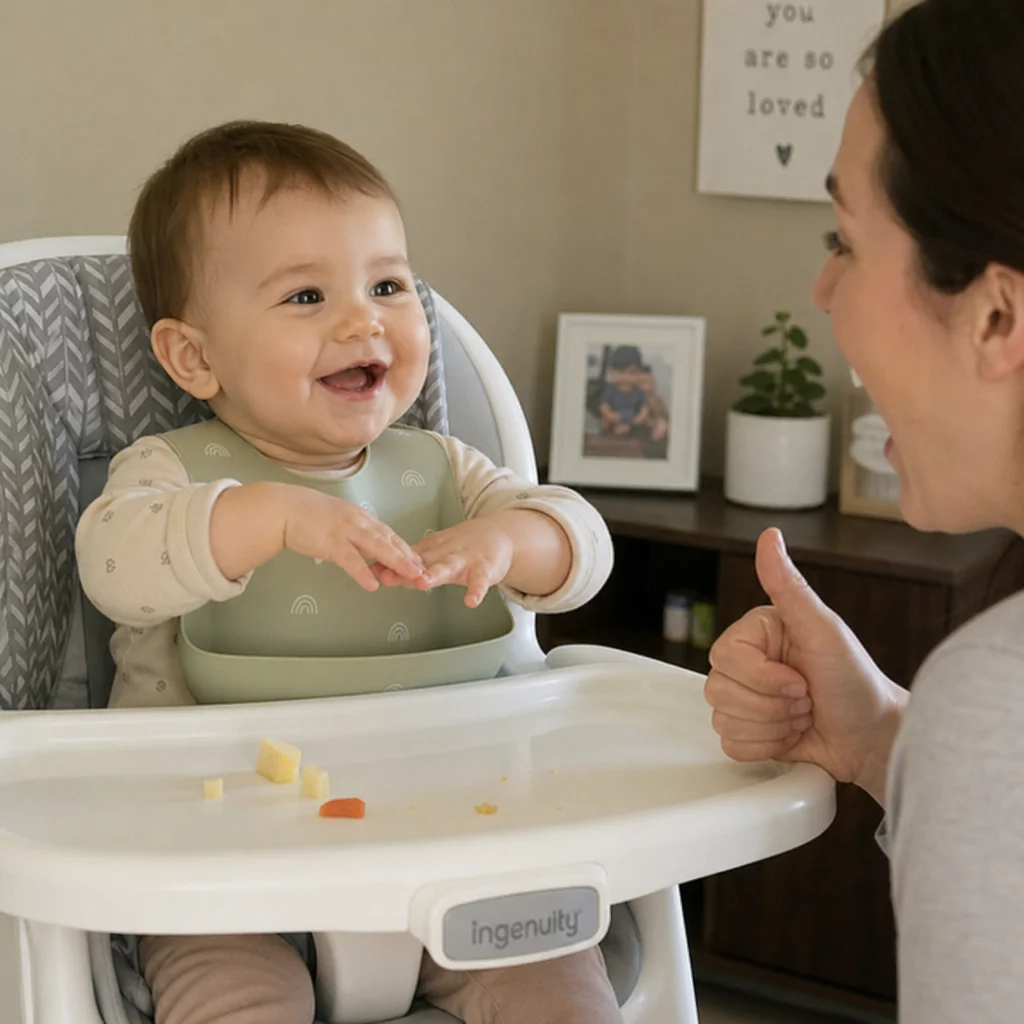
Toddler Communication: Learning Through Play
As your baby grows into an active toddler, their communication needs evolve. Play is a child’s full-time job, and it serves as the perfect vehicle for speech improvement.
Techniques to Maximize Playtime
If you are wondering how to encourage toddler communication through play, the secret lies in getting down on their level and following their lead. Instead of bombarding them with questions ("What is this? What color is that?"), turn your focus to making statements about what they are doing.
Speech-language pathologists highly recommend using parallel talk vs self talk techniques:
Self-Talk: This is when you describe what you are doing while your child listens. "I am building a tall tower. I am putting the red block on top."
Parallel Talk: This is when you act as a sports broadcaster, describing what your child is doing. "You are driving the blue car. Zoom! The car goes fast."
Both techniques remove the pressure to perform while exposing your toddler to rich, context-specific vocabulary.
Expanding Their Vocabulary
When your child does start speaking, you can gently encourage more complex sentences using expansion and extension language modeling strategies.
Expansion: You take what your child says and make it grammatically correct. If they say, "Doggy run," you say, "Yes, the doggy is running!"
Extension: You take their sentence, correct it, and add new information. If they say, "Doggy run," you say, "Yes, the doggy is running fast to catch the ball!"
These subtle, positive corrections naturally improve toddler communication without making the child feel like they made a mistake.
Reading Strategies and Bilingual Environments
Books are invaluable tools for child speech development, but how you read matters just as much as what you read.
Turning Pages into Conversations
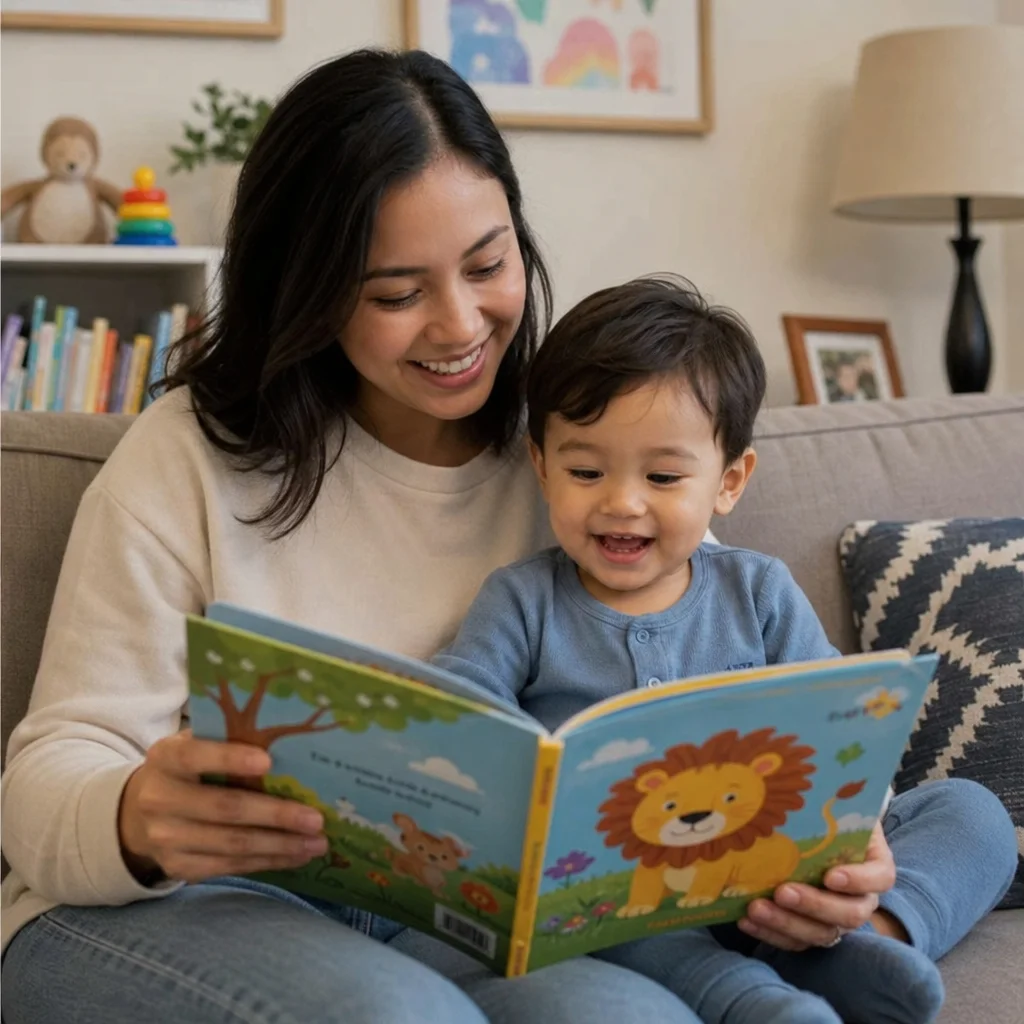
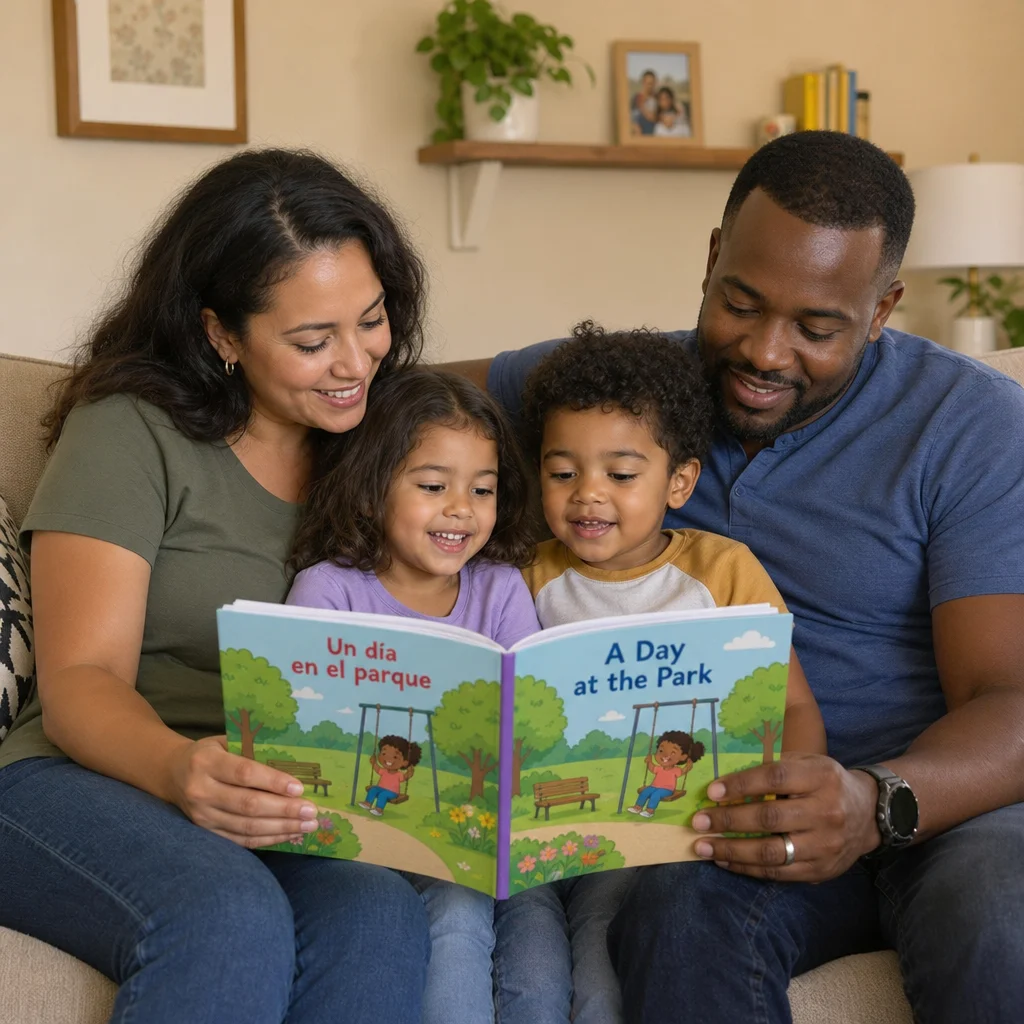
Implementing interactive reading strategies for vocabulary growth transforms storytime from a passive activity into an active learning experience. Do not just read the words on the page; pause to point at pictures and label them. Ask open-ended questions like, "What do you think the bear will do next?" or prompt them to fill in the blanks of familiar stories. This dialogic reading method builds both receptive and expressive language.
Raising Bilingual Children
For families aiming to raise multilingual children, fostering bilingual child language acquisition is a massive gift. Speak to your child consistently in your native language. Do not be alarmed if they occasionally mix words from both languages in a single sentence (known as code-mixing); this is a completely normal part of bilingual development, not a sign of confusion.
Recognizing Differences: From Advanced Abilities to Delays
Children develop at wildly varying paces. While some parents worry about delays, others may notice their child is achieving milestones incredibly early.
Signs of Advanced Development
Parents often search for the early signs of gifted child development speech physical ability when their little one begins speaking in complex sentences unusually early. Sometimes, remarkable motor coordination coupled with an insatiable curiosity for vocabulary can be categorized as the early signs child superior ability speech interest physical development.
While true prodigies are rare, looking for the early signs of child genius speech development physical ability—such as a toddler understanding complex, multi-step instructions or teaching themselves letters at age two—simply means you should provide a highly enriching, stimulating environment to keep their eager minds engaged.
Identifying Red Flags
On the other end of the spectrum, it is crucial to stay vigilant for signs that your child might be struggling. Early identification is the key to overcoming developmental hurdles.
Keep an eye out for speech delay red flags in toddlers, which include:
Not babbling by 9 months.
No first words by 15 months.
Not using pointing or other gestures by 12 months.
Losing words or social skills they previously had (regression).
Additionally, watch for receptive language delay signs in preschoolers. If a 3- or 4-year-old consistently struggles to follow simple two-step directions (e.g., "Get your shoes and bring them here"), or if they constantly repeat your questions instead of answering them, they may be having trouble processing language.
Seeking Professional Support
If your parental instincts are telling you that something is amiss, it is essential to know exactly when to see a pediatric speech pathologist. Do not adhere to the outdated "wait and see" approach; early intervention is incredibly effective.
When seeking help, parents are often confused about the difference between speech therapy vs early intervention services.
Early Intervention Services: These are typically state-funded programs for children from birth to age three. They offer comprehensive evaluations and therapies (including speech, physical, and occupational therapy) usually conducted in your child's natural environment, like your home.
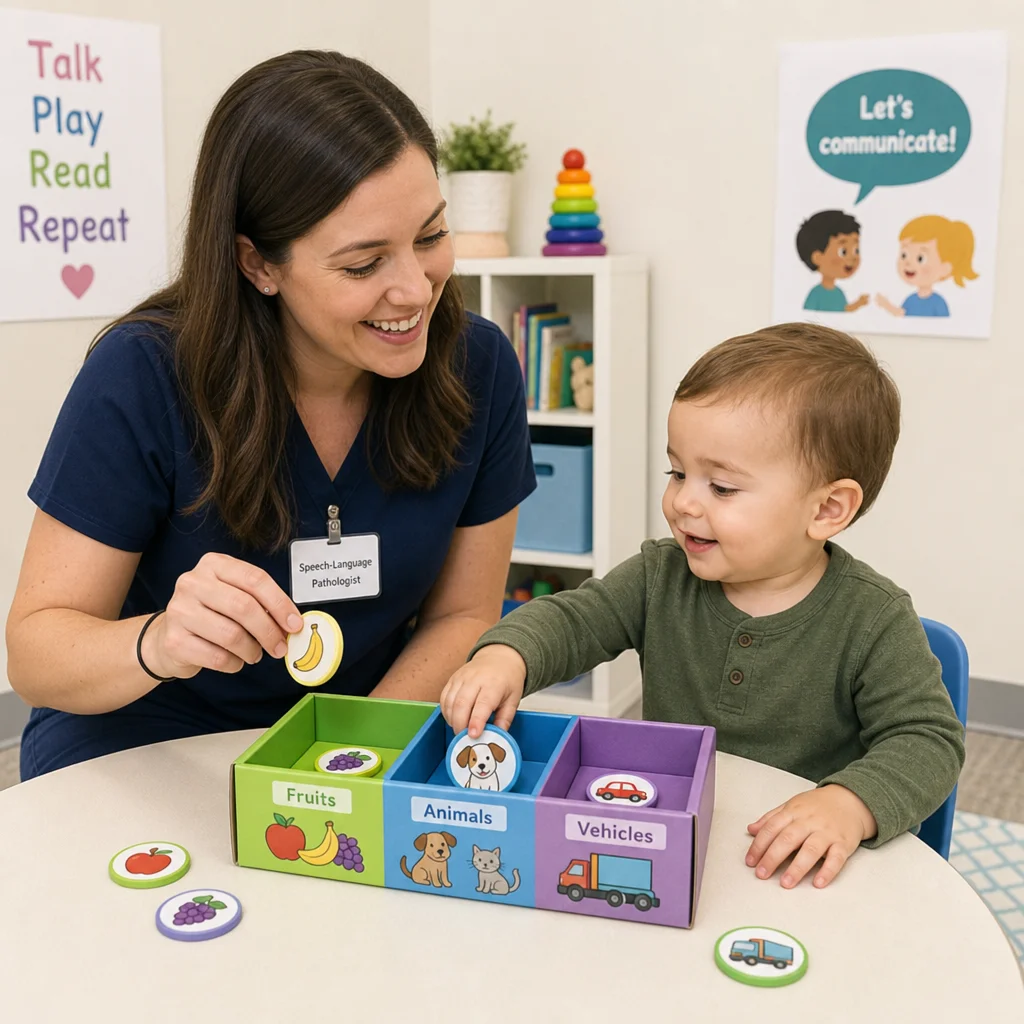
Private Speech Therapy: This is clinical speech therapy provided by a certified Speech-Language Pathologist (SLP) in a private clinic, hospital, or school setting. It focuses intensely on specific speech and language goals.
Both avenues are excellent, and an SLP can guide you toward the best option for your family's needs.
Physical Foundations and Overcoming Myths
Sometimes, speech issues are not rooted in cognitive language processing, but rather in the physical mechanics of the mouth.
The Importance of Oral Motor Skills
Speech requires the precise coordination of the jaw, lips, tongue, and cheeks. Strengthening oral motor skills in children can be a fun and effective way to promote speech clarity. Encourage activities like blowing bubbles, drinking thick smoothies through a straw, making silly faces in the mirror, or using a kazoo. These playful exercises build the muscle tone necessary for crisp articulation.
Debunking Speech Development Myths
Navigating the internet for parenting advice often means sifting through misinformation. It is vital to recognize common inaccuracies or myths in child speech development advice.
Myth 1: "Boys just talk later, do not worry." While it is statistically true that boys sometimes develop language slightly later than girls, a significant delay should never be ignored simply based on gender.
Myth 2: "Learning two languages causes speech delays." As mentioned earlier, bilingualism does not cause language delays.
Myth 3: "Educational videos will teach my baby to talk." This leads us to one of the most critical topics in modern parenting: screen time.
The Truth About Screen Time
Studies clearly demonstrate the negative impact of screen time on verbal development in infants and toddlers. Screens provide passive entertainment; they do not pause to wait for a child’s response, nor do they react to a child's facial expressions. Language is fundamentally social. Replacing face-to-face interaction with a tablet deprives a child of the joint attention and real-time facial cues required to master speech. The American Academy of Pediatrics recommends avoiding digital media for toddlers younger than 18 to 24 months, with the exception of video chatting.
Conclusion
Guiding your child through their early years of communication is an incredibly rewarding experience. By understanding the natural stages of development, engaging in purposeful play, and talking to your child continuously, you are laying a powerful foundation for their future.
Whether you are looking to nurture advanced early abilities or simply want to keep your toddler on track, these tips for your child's speech and language development are designed to empower you. Remember, you are your child’s first and most important teacher. Keep reading, keep playing, and keep talking—your little one is listening and learning every single day.