Bluetooth Hearing Aid Machine: Features, Benefits & Price Guide
Bluetooth Hearing Aid Machine Features, Benefits & Price Guide
Hearing loss no longer means settling for bulky devices and constant background noise. Bluetooth hearing aids have changed how people connect with their phones, TVs, and the world around them. If you're exploring hearing solutions for yourself or a loved one, this guide covers everything from how Bluetooth hearing aids work to what they cost in India in 2026.
What Is a Bluetooth Hearing Aid Machine?
A Bluetooth hearing aid machine is a digital hearing device that connects wirelessly to smartphones, televisions, laptops, and other Bluetooth-enabled gadgets. Unlike traditional hearing aids that only amplify sound picked up by their microphones, Bluetooth hearing aids can stream audio directly into the ear — phone calls, music, podcasts, and video sound — with clarity and minimal background interference.
These devices combine standard hearing aid functions (sound amplification, noise reduction, feedback cancellation) with modern wireless technology, making them a practical choice for anyone who wants better hearing along with seamless connectivity to everyday devices.
How Do Bluetooth Hearing Aids Work?
Bluetooth hearing aids use a small wireless chip built into the device that pairs with compatible smartphones or accessories. Once connected, sound from a call or video is transmitted directly to the hearing aid, bypassing the need to hold a phone up to the ear.
Most modern Bluetooth hearing aids support two main connection types:
Direct streaming, available in most modern iPhones and many Android phones, where audio goes straight from the phone to the hearing aid.
Streaming through an intermediary device or app, used with certain Android phones or older devices, where a small clip-on accessory or app bridges the connection.
The hearing aid's internal processor still performs its usual job — analyzing sound, reducing background noise, and adjusting amplification — while the Bluetooth chip manages the wireless connection in parallel.
Bluetooth Hearing Aid Features You Should Know
Before choosing a device, it helps to understand the features that set modern Bluetooth hearing aids apart:
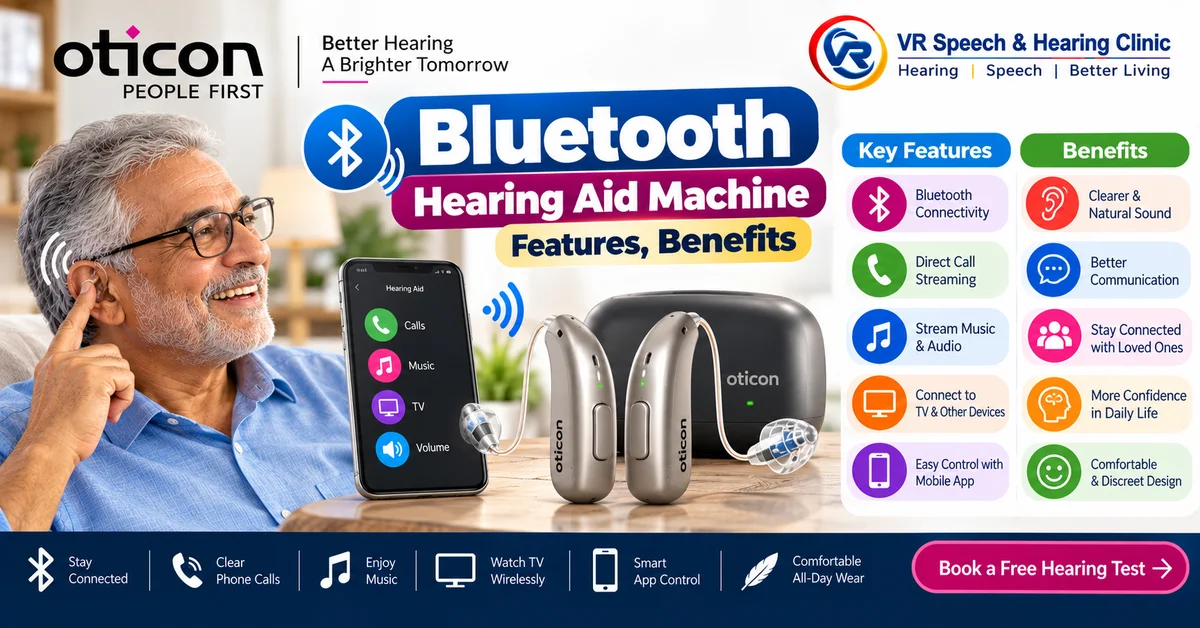
Direct audio streaming for calls, music, and videos without extra accessories
Rechargeable batteries, often lasting a full day on a single charge
Companion mobile apps for adjusting volume, programs, and settings on the go
Multiple listening programs for different environments like restaurants, outdoors, or quiet rooms
Noise reduction and speech enhancement that automatically distinguishes speech from background sound
Tinnitus masking features in select models
Fall detection and health tracking in premium models
Remote adjustments, allowing an audiologist to fine-tune settings without an in-person visit
Water and dust resistance ratings for durability in daily use
Telecoil compatibility for use with hearing loop systems in theaters and public spaces
Not every device includes all these features, so it's worth matching the feature set to your lifestyle and budget rather than chasing the most expensive option.
Benefits of Choosing a Bluetooth Hearing Aid
1. Clearer Phone Calls and Video Chats
Instead of struggling to hold a phone at the right angle or straining to hear over background noise, Bluetooth hearing aids stream calls directly into both ears. This makes conversations sound more natural and reduces listening fatigue, especially during long calls or video meetings.
2. Better TV and Entertainment Experience
Watching TV becomes far more enjoyable when audio streams straight to the hearing aids. There's no need to turn the volume up for the whole household — dialogue, music, and sound effects come through clearly at a comfortable level for the user alone.
3. Rechargeable and Convenient
Most Bluetooth hearing aids today use rechargeable lithium-ion batteries instead of disposable ones. A quick overnight charge typically powers the device for a full day, removing the hassle and ongoing cost of buying and replacing tiny batteries.
4. Discreet and Comfortable Design
Bluetooth hearing aids are commonly built in receiver-in-canal (RIC) or behind-the-ear (BTE) styles that sit comfortably and remain nearly invisible. Lightweight designs mean they can be worn all day without discomfort.
5. Smart Adjustments Through Apps
Companion apps let users adjust volume, switch listening programs, and even locate a misplaced hearing aid using their smartphone. Some apps also allow audiologists to make remote programming changes, cutting down on unnecessary clinic visits.
6. Better Speech Understanding
Advanced sound processing chips separate speech from background noise more effectively than older analog devices. This is especially helpful in group settings, restaurants, or busy public spaces where conversations can otherwise get lost in the noise.
Bluetooth Hearing Aid Price in India (2026 Guide)
Bluetooth hearing aid prices in India vary widely depending on technology level, brand, and features. As a general guide:
Entry-level Bluetooth hearing aids: roughly ₹20,000 – ₹45,000 per device, offering basic amplification with Bluetooth streaming
Mid-range models: roughly ₹45,000 – ₹1,20,000 per device, with better noise reduction, app control, and rechargeable batteries
Premium/advanced models: roughly ₹1,20,000 – ₹2,50,000+ per device, featuring AI-based sound processing, health tracking, and top-tier speech clarity in noise
Keep in mind that the final cost usually includes more than just the device — audiologist consultation, hearing tests, fitting, and follow-up care may add to the total. Prices also differ by city, clinic, and ongoing promotions, so it's best to get a personalized quote after a hearing evaluation rather than relying on price lists alone.
Best Bluetooth Hearing Aids: Top Brands to Consider
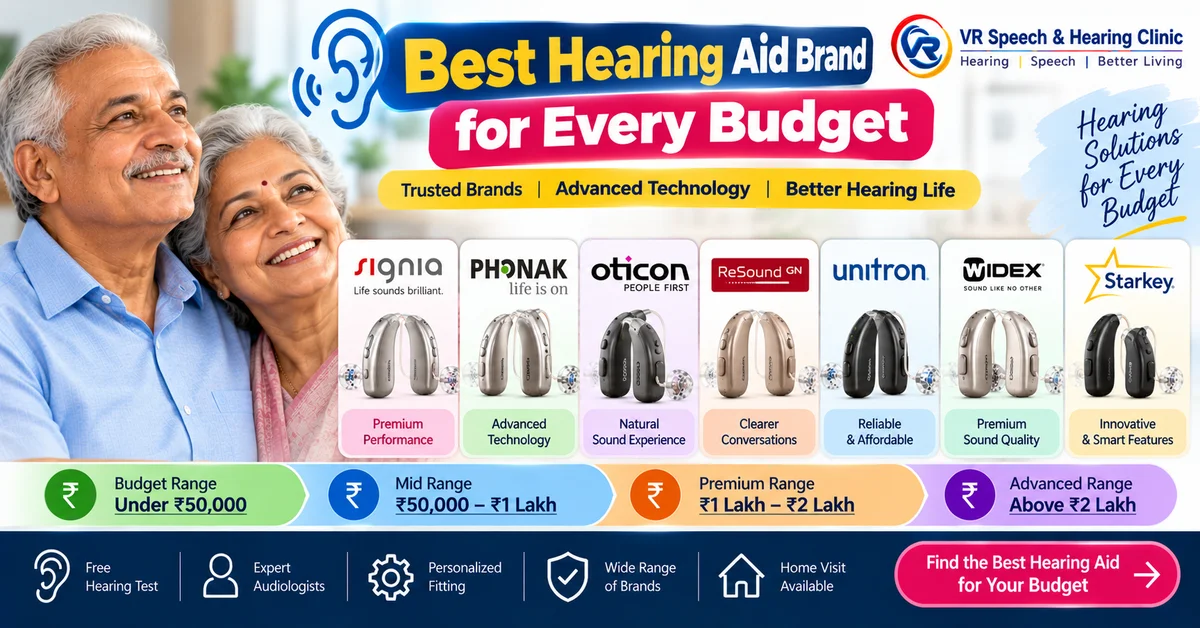
Several global brands lead the Bluetooth hearing aid market, each with their own strengths:
Phonak – known for strong performance in noisy environments and reliable Bluetooth connectivity
Signia – offers sleek, discreet designs with excellent speech clarity
Oticon – uses brain-focused sound processing technology for a more natural listening experience
Widex – recognized for natural sound reproduction and tinnitus management features
ReSound – popular for smartphone integration and app-based customization
Starkey – offers health-tracking features alongside standard hearing support
The "best" brand depends on individual hearing loss patterns, lifestyle, and budget, which is why a professional hearing assessment is the right starting point before choosing a device.
Rechargeable Hearing Aids vs. Battery-Operated Hearing Aids
Factor | Rechargeable | Battery-Operated |
|---|---|---|
Daily cost | Lower over time | Ongoing battery replacement cost |
Convenience | Charge overnight | Need spare batteries on hand |
Environmental impact | Less waste | More disposable waste |
Battery life | Typically 16-24 hours per charge | Varies by battery size, usually 3-14 days |
Best for | Tech-comfortable users, daily routines | Users in areas with limited charging access |
Most new Bluetooth hearing aids are moving toward rechargeable designs, though disposable-battery models are still available and can be a reliable backup option.
How to Choose the Right Bluetooth Hearing Aid
Consider the following before making a decision:
Get a professional hearing test to understand the type and degree of hearing loss
Think about your lifestyle — frequent calls, TV watching, or noisy work environments all call for different features
Check phone compatibility since not all hearing aids stream equally well with every phone brand
Compare battery type based on convenience versus predictability
Ask about trial periods so you can test comfort and performance before committing
Factor in aftercare — some clinics include follow-up adjustments and cleaning in the purchase price
Set a realistic budget while balancing must-have features against nice-to-have extras
Visiting a qualified audiologist or hearing clinic ensures the device is properly fitted and programmed for your specific hearing profile, which matters more for long-term satisfaction than the price tag alone.
Conclusion
Bluetooth hearing aids bring together better hearing and everyday connectivity, making phone calls, TV time, and conversations noticeably easier to follow. With prices in India spanning a wide range, there's an option to match nearly every budget and hearing need. The most important step is getting a proper hearing evaluation from a trusted clinic so the device chosen truly fits your lifestyle and hearing profile — not just the price list.
FAQs
Q1. Are Bluetooth hearing aids better than regular hearing aids?
Bluetooth hearing aids offer the same core amplification benefits as regular hearing aids, plus the added convenience of wireless streaming for calls and media, making them a more versatile choice for tech-connected users.
Q2. Can Bluetooth hearing aids connect to any smartphone?
Most Bluetooth hearing aids support direct streaming with modern iPhones and many Android phones. Some older or less common phone models may need an intermediary streaming accessory.
Q3. How long does the battery last in a Bluetooth hearing aid?
Rechargeable Bluetooth hearing aids typically last 16 to 24 hours on a full charge, depending on usage and streaming time.
Q4. Do Bluetooth hearing aids need an app?
An app isn't mandatory for basic use, but most brands offer a companion app for adjusting volume, switching programs, and tracking battery life.
Q5. What is the average price of a Bluetooth hearing aid in India?
Prices generally range from around ₹20,000 for entry-level devices to over ₹2,00,000 for premium models, depending on features and brand.
Q6. Is a prescription or hearing test required before buying?
Yes, a professional hearing evaluation is recommended to determine the right device type and settings for your specific hearing loss.