Best Prescription Hearing Aids for Seniors
Hearing loss is one of the most common health concerns among older adults, yet it often goes unaddressed for years. Many seniors delay treatment simply because they don't know where to start or which hearing aid will actually suit their lifestyle and budget. This guide breaks down everything you need to know about prescription hearing aids for seniors, from types and features to costs and expert fitting advice, so you can make a confident, informed decision.
Why Hearing Health Matters for Seniors
Untreated hearing loss doesn't just affect communication. Research links it to cognitive decline, social isolation, depression, and even a higher risk of falls. Seniors who address hearing loss early with properly fitted prescription hearing aids often report better relationships, improved mental sharpness, and a stronger sense of independence. This is why choosing the right device, and getting it fitted by a qualified audiologist, matters far more than simply picking the cheapest or flashiest option on the market.
Prescription vs. Over-the-Counter Hearing Aids
Over-the-counter hearing aids have become popular because they're affordable and easy to buy without a prescription. However, they are generally designed for mild to moderate hearing loss and use generic amplification settings. Prescription hearing aids, on the other hand, are customized based on a professional hearing assessment. An audiologist measures the exact pattern and severity of your hearing loss and programs the device accordingly. For seniors, especially those with moderate to severe hearing loss or additional health considerations, prescription hearing aids typically deliver clearer sound, better comfort, and long-term reliability.
Types of Prescription Hearing Aids for Seniors
1. Behind-the-Ear (BTE)
BTE hearing aids sit behind the ear with a tube connecting to an earpiece inside the canal. They are known for durability, longer battery life, and strong amplification power, making them ideal for seniors with moderate to profound hearing loss. Larger controls also make them easier to handle for those with limited dexterity or vision issues.
2. Receiver-in-Canal (RIC)
RIC devices are smaller and more discreet than traditional BTE models. They offer a more natural sound quality and are a popular choice for seniors who want a comfortable, nearly invisible option without sacrificing performance.
3. In-the-Ear (ITE)
Custom-molded to fit the outer ear, ITE hearing aids are easier to insert and remove, which is helpful for seniors with arthritis or reduced fine motor skills. They typically house larger batteries, meaning less frequent battery changes.
4. In-the-Canal (ITC) and Completely-in-Canal (CIC)
These are smaller, more discreet options that fit partly or fully inside the ear canal. While cosmetically appealing, their smaller size means smaller batteries and controls, which may not suit seniors with dexterity challenges.
Key Features to Look for in 2026
When comparing prescription hearing aids, seniors and their families should prioritize the following features:
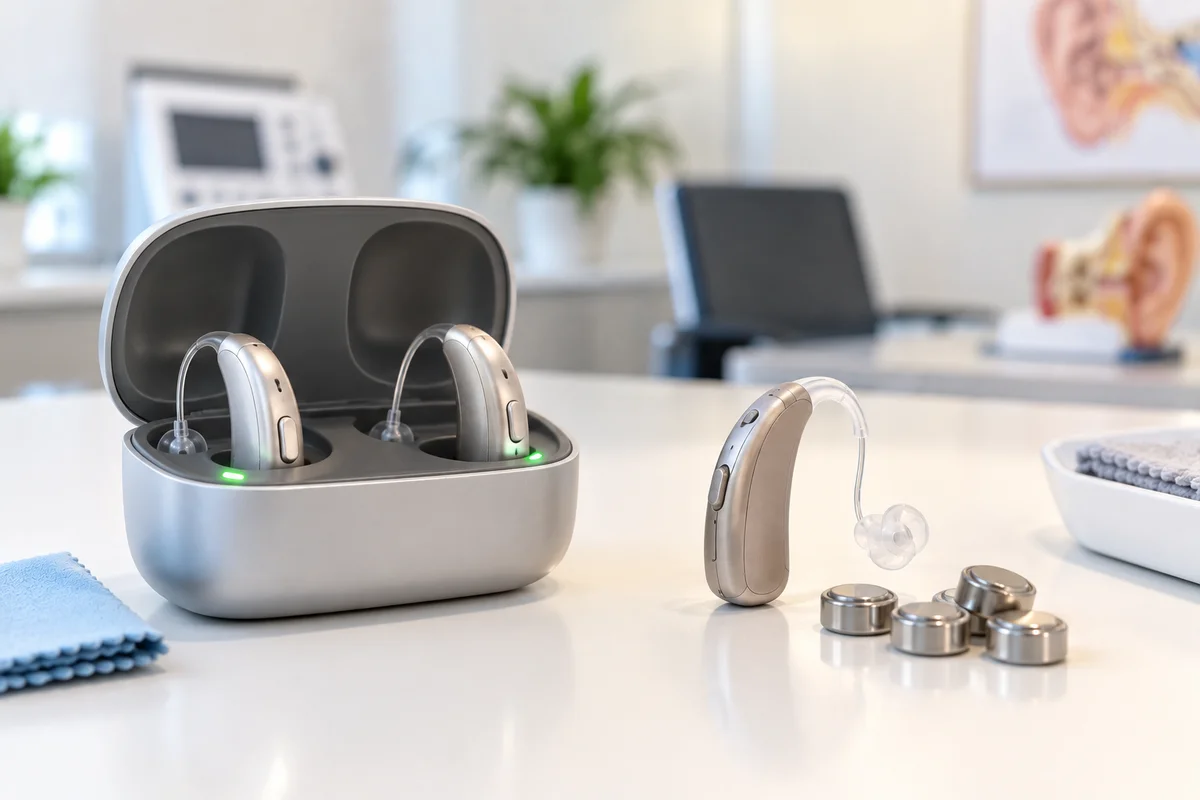
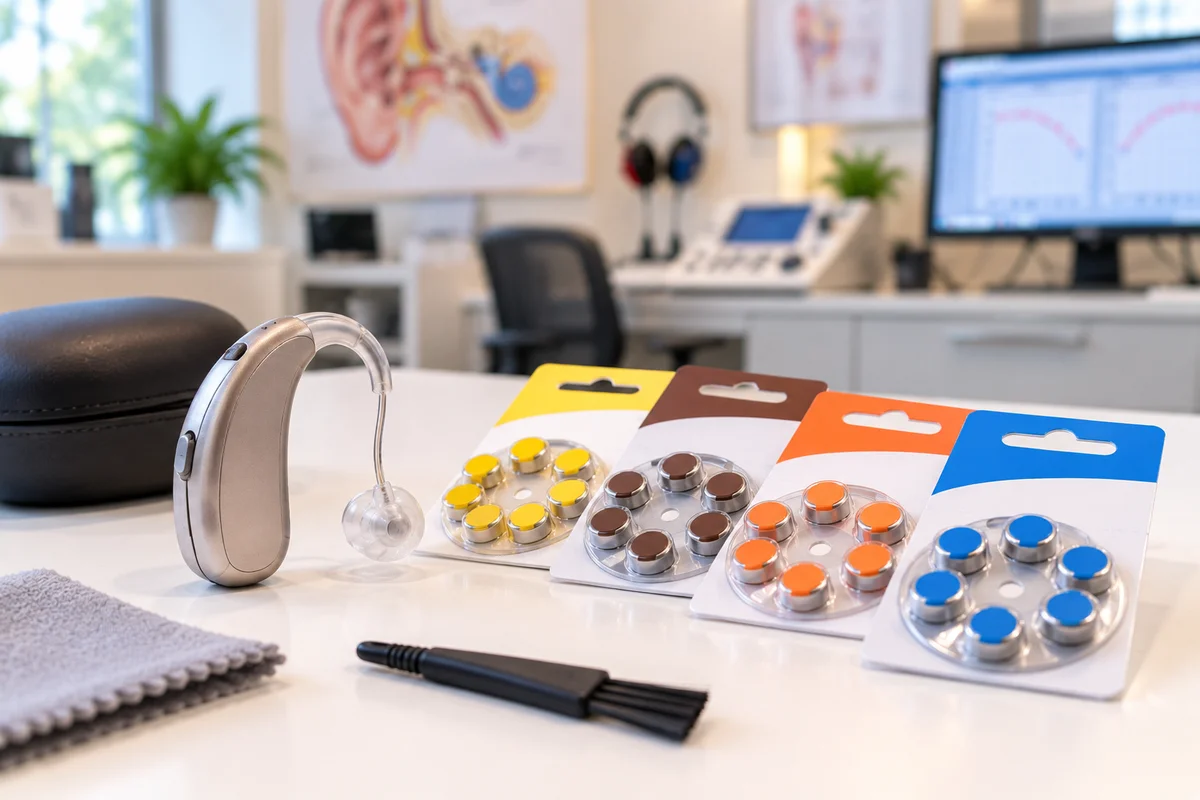
Rechargeable batteries: Eliminates the hassle of handling tiny disposable batteries, a common frustration for seniors with vision or dexterity issues.
Bluetooth connectivity: Allows direct streaming from smartphones, televisions, and other devices, which is especially useful for seniors who live alone or want hands-free phone calls.
Noise reduction and speech enhancement: Advanced processing chips help filter background noise in restaurants, family gatherings, or outdoor settings while keeping speech clear.
Tinnitus masking features: Many seniors experience ringing in the ears alongside hearing loss; some devices include built-in tinnitus relief programs.
Fall detection and health tracking: Some premium models now include sensors that detect falls and can alert caregivers, adding a valuable safety layer.
Telehealth and remote adjustments: Allows an audiologist to fine-tune settings remotely, reducing the need for frequent in-person visits.
Simple app controls: Larger buttons, voice guidance, and simplified smartphone apps make daily use easier for older adults who may not be tech-savvy.
How Much Do Prescription Hearing Aids Cost?
Prices vary widely depending on technology level, brand, and features. Basic prescription hearing aids generally start on the lower end, while premium models with advanced noise cancellation, AI-based sound processing, and health tracking sit at the higher end. It's worth noting that many insurance plans, including certain senior health plans, may offer partial coverage or reimbursement, so checking your policy or asking your clinic about financing options can significantly reduce out-of-pocket costs.
The Importance of Professional Fitting
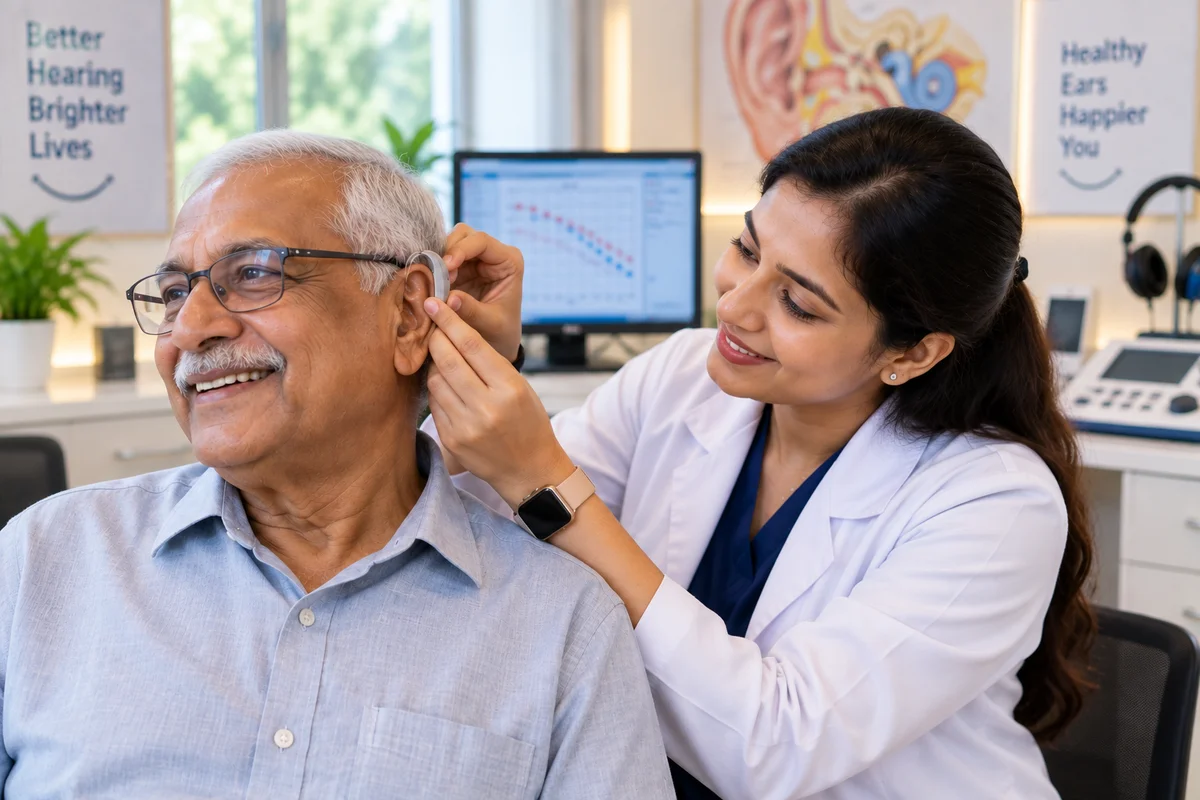
One of the biggest mistakes seniors make is assuming any hearing aid will work well right out of the box. Prescription hearing aids require a proper hearing assessment, precise programming, and follow-up adjustments to truly perform well. A poorly fitted device can cause discomfort, feedback noise, or ineffective amplification, leading many people to abandon their hearing aids altogether.
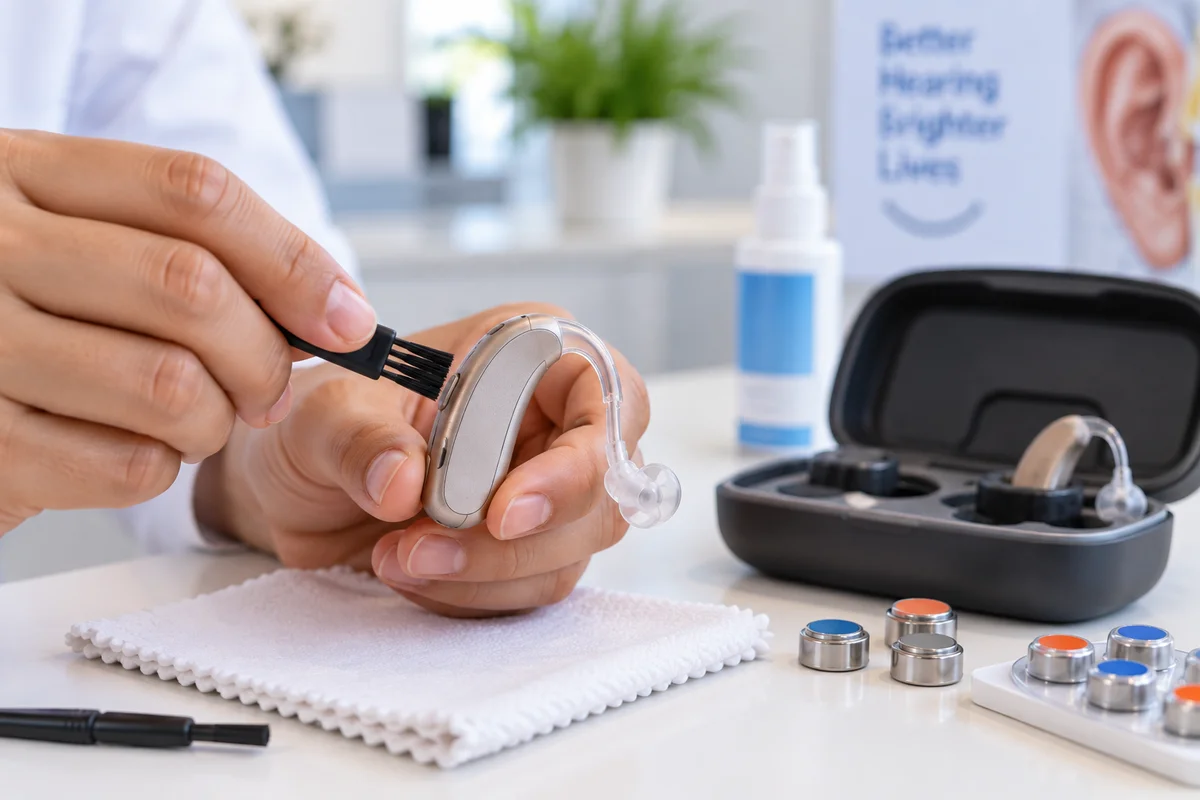
This is where working with an experienced audiology clinic makes a real difference. At VR Speech and Hearing Clinic, patients receive a comprehensive hearing evaluation before any device is recommended. The clinic's audiologists take into account lifestyle, degree of hearing loss, ear anatomy, and personal preferences to recommend the most suitable prescription hearing aid. Beyond the initial fitting, ongoing support such as cleaning, reprogramming, and troubleshooting ensures the device continues to perform optimally over time. For seniors, having a trusted clinic to turn to for adjustments and guidance often makes the difference between a hearing aid that gets used daily and one that ends up in a drawer.
Tips for Seniors Choosing a Hearing Aid
Get a full hearing test first. Never buy a device based on guesswork; an accurate diagnosis is the foundation of effective treatment.
Consider ease of use. Larger controls, rechargeable batteries, and simple apps matter more than flashy features if daily use will be a struggle otherwise.
Think about lifestyle. Someone who is frequently in noisy environments will benefit from advanced noise reduction, while someone with a quieter routine may not need every premium feature.
Ask about trial periods. Reputable clinics often offer adjustment periods so you can test the device in real-world situations before fully committing.
Plan for follow-up visits. Hearing needs can change over time, so regular check-ins with your audiologist help keep the device calibrated correctly.
Involve family members. Loved ones can help notice communication improvements or ongoing issues that the user themselves might not immediately recognize.
Common Challenges Seniors Face and How to Overcome Them
Many seniors hesitate to get hearing aids due to concerns about cost, appearance, or the learning curve involved. Modern devices have addressed much of this: prices have become more accessible with various financing options, designs have become far more discreet, and companion apps have simplified daily operation. Clinics like VR Speech and Hearing Clinic often provide hands-on training sessions to help new users become comfortable with insertion, cleaning, and app navigation, easing the transition significantly.
Final Thoughts
Choosing the best prescription hearing aid as a senior isn't just about picking a popular brand: it's about finding a device that matches your specific hearing profile, lifestyle, and comfort needs, fitted and supported by qualified professionals. A proper hearing assessment followed by expert fitting and ongoing care dramatically increases the chances of long-term satisfaction and improved quality of life. If you or a loved one is experiencing hearing difficulties, scheduling a consultation with a trusted clinic such as VR Speech and Hearing Clinic is a strong first step toward clearer hearing and a better everyday life.
FAQs
1. What is the best type of hearing aid for seniors with dexterity issues?
Behind-the-ear (BTE) and in-the-ear (ITE) models are generally easier to handle due to larger controls and batteries, making them a good choice for seniors with limited dexterity.
2. Are prescription hearing aids better than over-the-counter options?
For moderate to severe hearing loss, prescription hearing aids are usually more effective since they are custom-programmed based on a professional hearing assessment, unlike generic over-the-counter devices.
3. How often should seniors get their hearing checked?
It's generally recommended that seniors have their hearing evaluated once a year, or sooner if they notice changes in hearing ability or discomfort with their current device.
4. Do hearing aids stop tinnitus completely?
Hearing aids with tinnitus masking features can significantly reduce the perception of ringing or buzzing, but they may not eliminate tinnitus entirely for everyone.
5. Can hearing aids be adjusted after purchase?
Yes, most prescription hearing aids can be reprogrammed and fine-tuned during follow-up visits as hearing needs change over time.
6. Where can seniors get a professional hearing aid fitting?
Specialized clinics such as VR Speech and Hearing Clinic offer comprehensive hearing assessments and professional fittings tailored to each patient's individual needs.