Best Place to Book a Child Speech Diagnostic Session
If your child is slow to start talking, hard to understand, or visibly frustrated when trying to communicate, it is natural to look for a speech diagnostic session as soon as possible. The assessment itself is gentle, play-based, and usually over in an hour or so. The harder part is knowing where to book. Clinics, hospitals, school programs, and online platforms all offer evaluations, but quality, cost, and waiting times vary widely. This guide explains the best places to book a child speech diagnostic session, how to compare providers, and what to check before you pay.
What Is a Child Speech Diagnostic Session?
A speech diagnostic session, also called a speech and language evaluation or assessment, is an appointment with a qualified speech-language pathologist (SLP), sometimes called a speech therapist. The goal is to understand how your child communicates today, whether anything is delayed or different, and what support, if any, would help. A thorough assessment typically looks at:
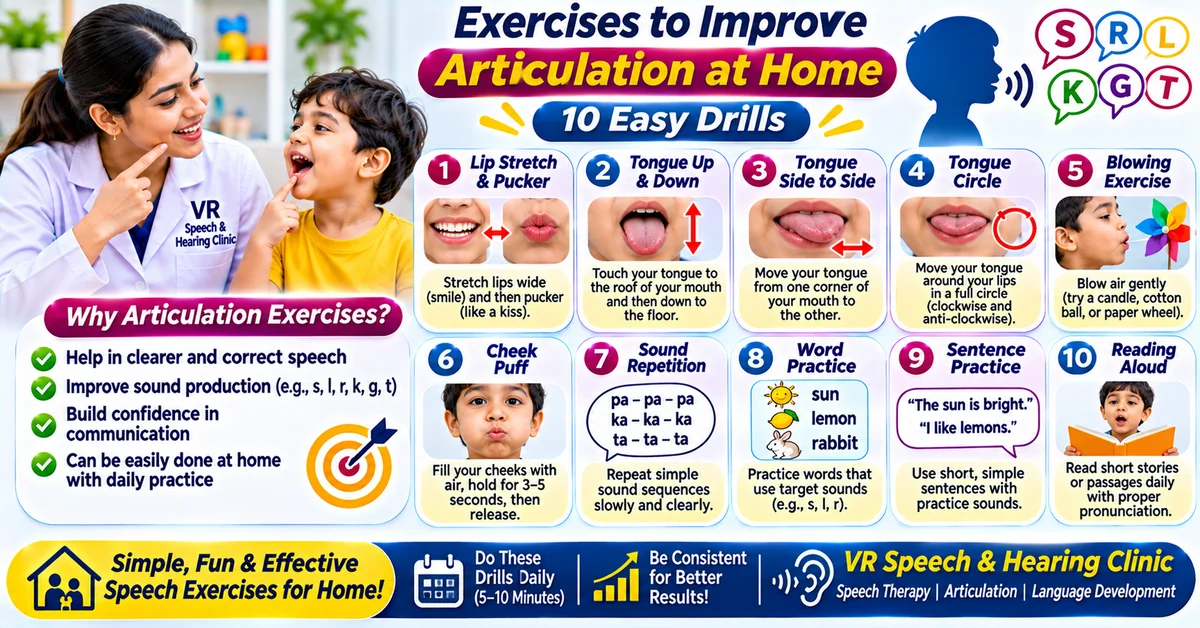
Speech sounds, including articulation and clarity
Understanding of language (receptive skills)
Spoken language, including vocabulary and sentence building (expressive skills)
Fluency, such as stuttering
Voice quality
Social communication, such as turn-taking and eye contact
Oral-motor and feeding skills, when relevant
Most sessions last 45 to 90 minutes. They combine a parent interview, play-based observation, and standardized tests suited to your child’s age. You should leave with initial findings, and a written report usually follows.
Where Is the Best Place to Book a Speech Diagnostic Session?
The best place is the one with a licensed pediatric SLP who regularly works with children your child’s age and with similar concerns. The setting matters less than the clinician. That said, each option has its own strengths.
Private pediatric speech therapy clinics
For most families, this is the fastest route. Private clinics offer flexible appointment times, shorter waits, detailed written reports, and an easy path into therapy if it is recommended. Quality varies, so confirm credentials and experience before booking.
Hospital and medical center departments
Hospital-based speech and audiology departments suit children with complex needs, such as suspected hearing loss, cleft palate, or neurological conditions. Teams can coordinate with ENT specialists, pediatricians, and audiologists. The trade-off is often a longer waiting list.
Child development centers
These centers bring speech therapy, occupational therapy, and psychology together under one roof. They are a strong choice if you suspect delays in more than one area, or if autism or learning difficulties are a concern.
University training clinics
Many universities run clinics where graduate students work under licensed supervisors. Fees are often lower, but appointments may be limited and can follow the academic calendar.
School-based evaluations
Public school systems in many countries offer free evaluations. They focus on how communication affects learning, so they may not cover every concern, and timelines can be slow. They are worth requesting alongside a private assessment.
Online speech therapy platforms
Teletherapy works well for many language and articulation concerns and is helpful when specialists are far away. It is less suited to very young or highly active toddlers, or to feeding and oral-motor concerns that need hands-on observation.
Eight Things to Check Before You Book
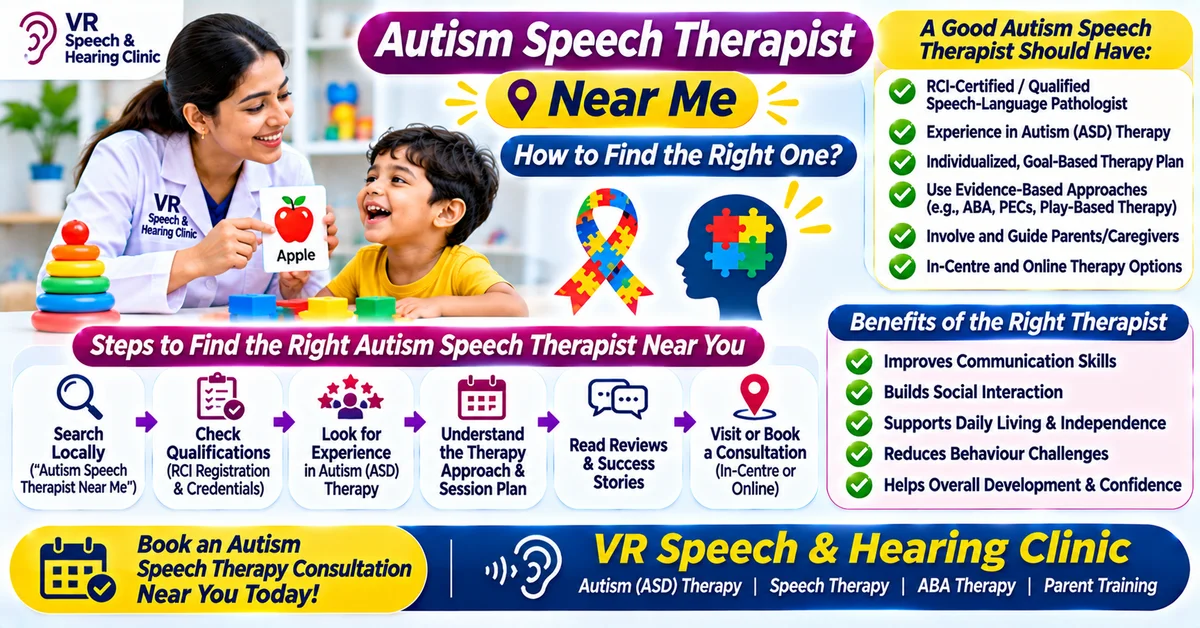
Credentials. Confirm the clinician is licensed or registered with the recognized professional body in your country, such as ASHA in the United States, HCPC in the United Kingdom, or RCI in India.
Pediatric experience. Ask how often they assess children of your child’s age and whether they have worked with your specific concern.
Assessment approach. Good evaluations blend standardized tests, play observation, and parent input rather than relying on a short checklist alone.
Multilingual awareness. If your child hears more than one language, the clinician should consider all home languages so a bilingual child is not wrongly labeled as delayed.
Written report. Ask whether you will receive a clear report with findings, a diagnosis if applicable, and recommended goals.
Transparent pricing. Find out what the fee covers: the evaluation, the report, a feedback session, and any follow-up.
Hearing check. Hearing difficulties can look like speech delay. A good provider will ask about hearing and refer for audiology testing when needed.
Reviews and referrals. Ask your pediatrician and other parents for recommendations, and read reviews for patterns such as clear communication and a child-friendly manner.
What Does a Speech Diagnostic Session Cost?
Fees vary by country, provider type, and the length of the assessment. Hospitals, private clinics, and development centers often price differently, while university clinics and public programs may be lower cost or free. Ask whether the quoted price includes the written report and a results discussion, and check whether your health plan or insurance covers any part of it. Price matters, but it should not be the only factor. A well-conducted assessment from an experienced clinician saves time and money later by pointing therapy in the right direction.
Red Flags to Avoid
Be cautious if a provider:
Offers a diagnosis after a brief phone call or without seeing your child
Cannot show professional credentials
Guarantees quick results or a cure
Pushes you to prepay for a large therapy package before the assessment
Gives no written findings
Dismisses your concerns or tells you to wait without any monitoring plan
Online or In-Person Assessment?
In-person assessments give the clinician the fullest picture, especially for toddlers, oral-motor concerns, and children with complex needs. Online sessions can be an excellent option for school-age children who can focus on a screen, for families without local access, and for follow-up visits. If you choose online, make sure the provider uses validated methods, and set up a quiet space with a stable internet connection.
How to Prepare Before the Session
Gather your child’s birth and medical history, any previous hearing tests, and earlier reports
Note when your child reached milestones such as babbling, first words, and word combinations
Record short videos of your child talking or playing at home
Write down the languages spoken at home
List your main concerns and questions
Schedule the visit when your child is rested and fed, and bring a favorite toy
When Should You Book?
You do not need to wait for a referral or for your child to be “old enough.” Consider booking if your child has little babbling or gesturing by about 12 months, has few words by 18 months, is not combining two words by about age two, is very hard for others to understand by age three, stutters for several months or with visible struggle, or has lost words or skills they previously had. Loss of skills should be raised with your doctor promptly. These are general guides, and every child develops at their own pace, but trusting your instincts is reasonable. Early assessment does not commit you to therapy. Often it simply confirms that development is on track or gives you simple strategies to use at home.
Final Recommendation
For most families, the best place to book a child speech diagnostic session is a reputable private pediatric speech therapy clinic or a hospital department with a licensed SLP who has experience with your child’s age and concern. If your child has several developmental concerns, a multidisciplinary child development center is worth considering. Whatever you choose, verify credentials, ask what the fee includes, and make sure you will receive a written report. A good clinician will make the process comfortable for your child and leave you with clear, practical next steps.
Frequently Asked Questions
How long does a child speech diagnostic session take?
Most sessions last 45 to 90 minutes. Complex cases may be split across two visits so your child stays comfortable and engaged.
Do I need a doctor’s referral to book?
Often not for private clinics, but some hospital departments, public programs, and insurance plans require one. Check with the provider before booking.
At what age can my child be assessed?
Children can be assessed at any age. Infants may be seen for early communication or feeding concerns, while most speech and language evaluations begin in the toddler years.
What is the difference between a speech delay and a speech disorder?
In a delay, development follows the typical pattern but arrives later. In a disorder, the patterns of speech or language are different from what is usually expected. A qualified SLP can tell which applies.
Can an online assessment be as good as an in-person one?
For many language and articulation concerns, yes, especially with school-age children. In-person assessment is usually better for toddlers and for oral-motor or feeding concerns.
Will my child need therapy after the assessment?
Not necessarily. Some children only need monitoring or home strategies. If therapy is recommended, the report should explain the goals, how often sessions are advised, and how progress will be measured.