Best Hearing Aids in India 2026 | Complete Buying Guide
The Best Hearing Aids in India: A Comprehensive Guide
Hearing loss affects millions of people across India, yet a large number of them delay seeking help simply because they don't know where to start. With so many brands, styles, and price points available today, choosing the right hearing aid can feel overwhelming. This guide breaks down everything you need to know about hearing aids in India — from types and technology to pricing and how to select the one that's right for you.
Understanding Hearing Loss Before Choosing a Hearing Aid
Before diving into hearing aid options, it's important to understand that not all hearing loss is the same. Hearing loss can be mild, moderate, severe, or profound, and it can affect one ear or both. It may result from ageing (presbycusis), prolonged noise exposure, infections, genetic factors, or certain medications. Because every case is different, the "best" hearing aid isn't a single product — it's the one that matches your specific hearing profile, lifestyle, and budget.
This is why a proper hearing evaluation by a qualified audiologist is the essential first step. A comprehensive hearing test, such as pure tone audiometry, helps determine the degree and type of hearing loss, which then guides the selection of the most suitable device.
Types of Hearing Aids Available in India
Hearing aids today come in a variety of styles, each with its own advantages depending on the severity of hearing loss, ear anatomy, and personal preference.
Behind-the-Ear (BTE) Hearing Aids
BTE hearing aids sit behind the ear and connect to an earmold or dome that fits inside the ear canal. They are known for their durability, longer battery life, and suitability for mild to profound hearing loss. Because of their larger size, they are also easier to handle for elderly users or those with limited dexterity.
Receiver-in-Canal (RIC) Hearing Aids
RIC devices are a more discreet version of BTE aids, with the speaker placed directly in the ear canal instead of behind the ear. They offer a natural sound quality and are popular among users who want a balance of performance and a low-profile design.
In-the-Ear (ITE) Hearing Aids
ITE hearing aids are custom-molded to fit within the outer ear. They are relatively easy to insert and remove, making them a good option for people who want a bit more visibility for feel and control, without sacrificing comfort.
In-the-Canal (ITC) and Completely-in-Canal (CIC) Hearing Aids
These are smaller, custom-fit devices that sit partly or entirely within the ear canal. They are far less visible, appealing to those who prioritize discretion. However, their small size means they generally suit mild to moderate hearing loss and may have shorter battery life.
Invisible-in-Canal (IIC) Hearing Aids
As the name suggests, IIC hearing aids are placed deep within the ear canal and are virtually invisible to others. They offer excellent cosmetic appeal but require good manual dexterity for insertion and removal, and are best suited for mild to moderately severe hearing loss.
Analog vs Digital Hearing Aids
Older analog hearing aids simply amplified all incoming sound uniformly, which often meant background noise was amplified along with speech. Digital hearing aids, which dominate the market today, convert sound into digital signals and use sophisticated processing to distinguish speech from background noise, adjust automatically to different environments, and offer far more precise, comfortable amplification. If you're exploring options in India today, digital hearing aids are the standard recommendation for most users.
Key Features to Look for in a Hearing Aid
When comparing hearing aids, consider these features:
Noise Reduction Technology: Helps filter out background noise so speech remains clear, especially useful in crowded places like markets, weddings, or restaurants.
Feedback Cancellation: Prevents the whistling or squealing sound that older hearing aids were known for.
Directional Microphones: Focus on sounds coming from in front of you, which is particularly helpful in conversations.
Rechargeable Batteries: Many modern hearing aids now come with rechargeable batteries instead of disposable ones, reducing long-term costs and environmental waste.
Bluetooth Connectivity: Allows direct streaming of calls, music, and television audio from smartphones and other devices, which is increasingly popular among younger and tech-savvy users.
Telecoil: Useful in public spaces like auditoriums, places of worship, or theatres equipped with hearing loop systems.
Water and Dust Resistance: Particularly important given India's varied climate, from humid coastal regions to dusty urban environments.
Multiple Listening Programs: Automatically or manually adjust settings for different environments, such as quiet rooms, outdoor spaces, or noisy gatherings.
Popular Hearing Aid Brands Available in India
India's hearing aid market includes both established global brands and more affordable local options. Some of the most recognized names include Phonak, Widex, Oticon, Signia, Starkey, ReSound, and Siemens, among others. Each brand offers multiple product lines ranging from basic devices to advanced, premium models with AI-based sound processing and smartphone app integration.
While premium brands often bring cutting-edge features, it's worth remembering that the effectiveness of a hearing aid depends heavily on proper fitting and programming by a skilled audiologist — not the brand name alone. A mid-range device correctly fitted can outperform a premium device that hasn't been fine-tuned to your specific hearing loss.
Hearing Aid Price Range in India
Hearing aid prices in India vary widely depending on technology level, features, and brand. Broadly speaking:
Basic/Entry-Level Hearing Aids: These are budget-friendly options suitable for individuals with mild hearing loss and simpler listening needs. They typically offer standard amplification without advanced noise processing.
Mid-Range Hearing Aids: These offer a good balance of features like improved noise reduction, feedback cancellation, and multiple programs, suitable for moderate hearing loss in varied environments.
Premium/Advanced Hearing Aids: These come with the latest technology, including AI-driven sound processing, rechargeable batteries, Bluetooth streaming, and app-based customization, ideal for individuals with active lifestyles or more complex hearing loss.
Since pricing changes frequently and depends on individual needs, it's always best to consult with an audiologist who can recommend options within your budget after a proper assessment, rather than relying on price alone to make a decision.
How to Choose the Right Hearing Aid
Choosing a hearing aid isn't just about picking the most expensive or feature-packed model. Here's a practical approach:
Get a Professional Hearing Assessment: This is non-negotiable. A detailed audiological evaluation identifies the degree, type, and configuration of your hearing loss.
Consider Your Lifestyle: Someone who frequently attends social gatherings or works in noisy environments may benefit from advanced noise-cancellation features, while someone with a quieter lifestyle may do well with a simpler device.
Think About Manual Dexterity: Smaller, invisible devices may be harder to handle for older adults or those with conditions like arthritis. In such cases, slightly larger devices with easy-to-use controls may be more practical.
Factor in Battery Preferences: Decide between rechargeable and disposable battery options based on convenience and daily routine.
Set a Realistic Budget: Determine what you're comfortable spending, and discuss options within that range with your audiologist.
Prioritize Fitting and Follow-Up Care: A hearing aid isn't a one-time purchase — it requires proper fitting, periodic adjustments, and ongoing support to work effectively.
The Importance of Professional Fitting and Follow-Up
One of the most overlooked aspects of hearing aid selection is what happens after the purchase. Hearing aids need to be programmed specifically to your hearing test results, and this programming often requires fine-tuning over several follow-up visits as your brain adjusts to amplified sound. Skipping this step, or buying a hearing aid without professional guidance, is one of the most common reasons people report dissatisfaction with their devices.
Regular follow-up appointments allow your audiologist to make adjustments based on your real-world experience, address any discomfort, and ensure the device continues to perform well as your hearing needs evolve over time.
Common Myths About Hearing Aids
Myth: Hearing aids restore hearing to normal.
In reality, hearing aids amplify and process sound to improve clarity, but they don't cure hearing loss or restore hearing exactly as it once was.
Myth: Only elderly people need hearing aids.
Hearing loss can affect people of all ages, including children and working professionals, often due to genetics, noise exposure, or illness.
Myth: Hearing aids are uncomfortable and visible.
Modern hearing aids are far more discreet and comfortable than older models, with many styles designed to be nearly invisible.
Myth: A hearing aid works right out of the box.
As mentioned earlier, proper fitting and adjustment by an audiologist are essential for optimal performance.
Myth: One hearing aid is enough if only one ear seems affected.
In many cases, both ears are affected to some degree, and using two hearing aids (binaural fitting) often provides better sound localization and speech understanding than using just one.
Caring for Your Hearing Aid
Proper maintenance extends the life of your hearing aid and ensures consistent performance:
Clean your hearing aids daily using a soft, dry cloth to remove earwax and debris.
Store them in a dry, cool place, ideally in a dehumidifier case, especially during humid months.
Avoid exposing them to excessive moisture, perfumes, or hairspray.
Replace batteries or charge devices as recommended.
Schedule regular check-ups with your audiologist for cleaning, adjustments, and troubleshooting.
Why Choose VR Speech and Hearing Clinic
At VR Speech and Hearing Clinic, the focus is on providing personalized hearing care rather than simply selling a product. From comprehensive hearing assessments to expert guidance on selecting the right hearing aid, fitting, programming, and ongoing follow-up support, every step is designed around the individual's unique hearing profile and lifestyle needs. With a patient-centered approach, the clinic aims to help people rediscover clear, comfortable hearing and improve their overall quality of life.
Choosing a hearing aid is a significant decision, and having the right professional support throughout the process makes all the difference between a device that sits in a drawer and one that becomes a seamless part of daily life.
Conclusion
Finding the best hearing aid in India isn't about chasing the most expensive or trending model — it's about finding a device that's correctly matched to your hearing loss, lifestyle, and comfort preferences, fitted and supported by qualified professionals. With the right guidance, modern hearing aids can significantly improve communication, confidence, and overall well-being. If you or a loved one is experiencing signs of hearing loss, don't wait — a timely hearing assessment is the first step toward better hearing and a better quality of life.
Frequently Asked Questions (FAQs)
1. How do I know if I need a hearing aid?
Common signs include frequently asking people to repeat themselves, difficulty understanding conversations in noisy places, turning up the television volume unusually high, and feeling like people are mumbling. If you notice these signs, a professional hearing test is recommended.
2. What is the average lifespan of a hearing aid?
With proper care and maintenance, most hearing aids last between five to seven years, though this can vary based on usage, technology level, and how well the device is maintained.
3. Can hearing aids be used in both ears?
Yes, and in many cases, using hearing aids in both ears (binaural fitting) provides better sound localization, clarity, and overall listening comfort compared to using a single device.
4. Are digital hearing aids better than analog ones?
Digital hearing aids are generally considered superior because they offer more precise sound processing, better noise reduction, and the ability to customize settings for different environments, unlike analog devices which amplify all sounds uniformly.
5. How long does it take to get used to a hearing aid?
Adjusting to a hearing aid typically takes a few weeks as your brain relearns to process amplified sounds. Gradual, consistent use along with follow-up visits to fine-tune the device usually helps speed up this adaptation period.
6. Do hearing aids work for all types of hearing loss?
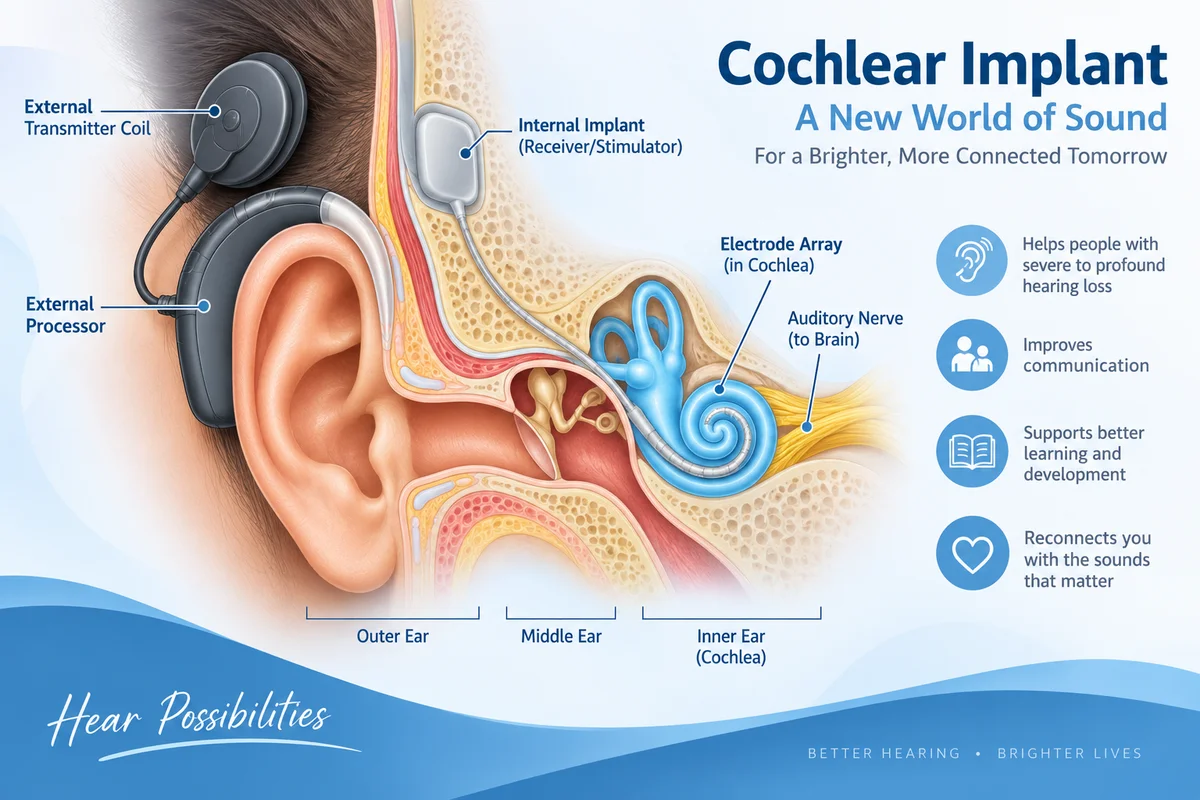
Hearing aids are effective for most types and degrees of hearing loss, particularly sensorineural and conductive hearing loss. However, in cases of profound hearing loss, alternative options like cochlear implants may be more suitable, which is why a professional evaluation is important.
7. How often should hearing aids be serviced?
It's generally recommended to have hearing aids checked and serviced every six months, along with daily at-home cleaning, to ensure they continue functioning optimally.