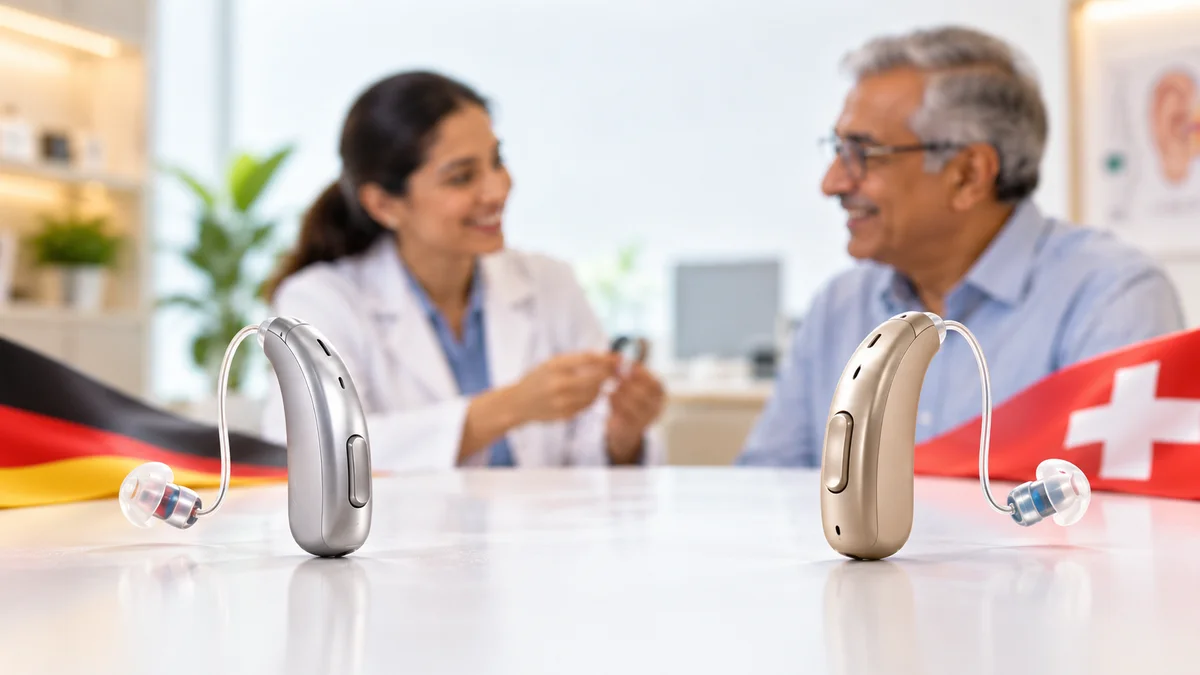
Best Hearing Aids for Seniors & Pensioners 2026
Best Hearing Aids for Seniors, Pensioners and Men: The Complete 2026 Buying Guide
Struggling to follow conversations at family dinners, missing the doorbell, or constantly asking people to repeat themselves? You are not alone. Hearing loss affects millions of people, and it becomes far more common as we age. The good news is that today's hearing aids are smaller, smarter and more affordable than ever before. Whether you are searching for hearing aids for men, hearing aids for pensioners, or simply want to understand the difference between OTC hearing aids and prescription devices, this guide from VR Speech and Hearing Clinic will walk you through everything you need to know before you buy.
Understanding Hearing Loss and Why Early Action Matters
Hearing loss rarely happens overnight. It tends to creep in gradually, which is why so many people put off getting help. Family members often notice the signs before the individual does — the television volume creeping higher, missed phone calls, or one-sided conversations at social gatherings. Left unaddressed, hearing loss has been linked to social withdrawal, cognitive decline and reduced quality of life, particularly in seniors.
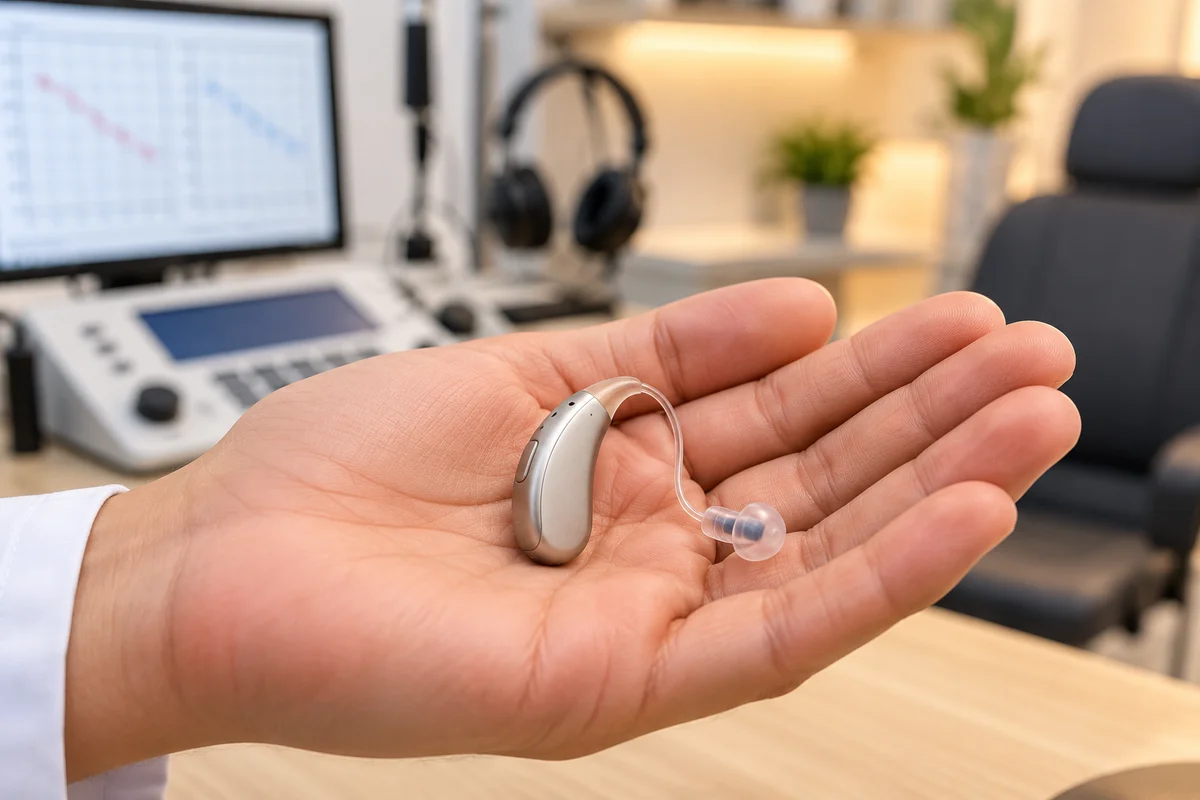
The moment you start noticing changes in your hearing, it is worth getting a professional hearing assessment. A qualified audiologist can identify the type and degree of hearing loss and recommend the most suitable hearing devices for your lifestyle, budget and comfort. Early intervention almost always leads to a smoother adjustment period and better long-term outcomes.
Types of Hearing Aids Available Today
Modern hearing aids come in a wide variety of styles and technology levels. Understanding the differences will help you choose the best hearing aid for your specific needs.
In-Ear Hearing Aids
In-ear hearing aids sit discreetly inside the ear canal, making them a popular choice for people who want a device that is barely visible. These are custom-molded to fit the shape of your ear, offering excellent comfort and a natural sound experience. In-ear models are generally best suited to mild-to-moderate hearing loss and are favored by many pensioners and working professionals alike who prefer a low-profile solution.
Behind-the-Ear (BTE) Hearing Aids
These sit comfortably behind the ear with a thin tube or wire connecting to the ear canal. BTE hearing aids tend to offer more powerful amplification, longer battery life and easier handling — a major advantage for seniors who may have difficulty with fine motor tasks like changing tiny batteries or cleaning very small devices.
Receiver-in-Canal (RIC) Hearing Aids
A popular middle ground, RIC devices are small, comfortable and offer excellent sound quality. They are often recommended as some of the best hearing aids for everyday use because they balance discretion with performance.
OTC (Over-the-Counter) Hearing Aids
One of the biggest shifts in the hearing industry has been the rise of OTC hearing aids. These are designed for adults with perceived mild-to-moderate hearing loss and can be purchased without a prescription or an in-person fitting. Best OTC hearing aids are typically more budget-friendly and can be a good entry point for people who are hesitant about visiting a clinic. However, they are not a substitute for a full audiological evaluation, especially if your hearing loss is more significant or if you have not had your hearing tested professionally.
Hearing Aids for Men: What to Consider
When people search for hearing aids for men, they are often looking for discreet designs, robust durability and straightforward controls. Many men prioritize devices that:
Are sweat and moisture resistant, ideal for active lifestyles or outdoor work
Offer simple one-touch controls rather than complicated smartphone syncing
Blend in with grey or thinning hair, or sit low-profile behind the ear
Provide strong battery life for long working days
Manufacturers have responded with sleeker designs, matte finishes and rechargeable options that eliminate the hassle of tiny disposable batteries — a detail that matters a great deal to men who want a device that simply works without fuss.
Hearing Aids for Pensioners and Seniors
Hearing aids for pensioners need to check a slightly different set of boxes. Comfort, ease of use and affordability tend to top the list. Many seniors also value:
Larger, easy-to-grip controls or fully automatic settings that require no daily adjustment
Telecoil compatibility for use with landline phones and public hearing loop systems
Rechargeable batteries to avoid fiddly battery replacement
Companion smartphone apps with simplified, large-icon interfaces (optional, not essential)
Clear, natural speech clarity in noisy environments like family gatherings or restaurants
Many pension schemes, insurance plans and government health services also offer subsidies or partial coverage for hearing devices, so it is always worth asking your clinic about financial assistance options before committing to a purchase.
Modern Hearing Aids: How Far the Technology Has Come
Modern hearing aids reviews consistently highlight how dramatically the technology has evolved over the last decade. Today's devices are no longer simple sound amplifiers — they are intelligent, adaptive systems. Common features found in modern hearing aids include:
Directional microphones that automatically focus on the person speaking to you while reducing background noise
Bluetooth connectivity for streaming phone calls, music and television audio directly into your ears
Rechargeable batteries that last a full day on a single overnight charge
Tinnitus masking features built directly into the device for people who experience ringing in the ears
AI-powered sound processing that learns your listening preferences over time and adjusts automatically across different environments
Fall detection and health tracking in select premium models, adding an extra layer of safety for older users
These advances mean that modern hearing devices offer a far more natural, comfortable listening experience compared to the bulky, whistling aids of the past.
Best Hearing Aids: How to Choose the Right One
With so many hearing devices on the market, from pharmacy-brand OTC options to premium prescription models, choosing the best hearing aid can feel overwhelming. Here is a simple framework to guide your decision:
Get a professional hearing test first. This determines the type and severity of your hearing loss and rules out any underlying medical issues.
Consider your lifestyle. An active person who exercises often will have different needs than someone who spends most of their time at home.
Think about manual dexterity and eyesight. If small buttons or battery doors are difficult to manage, look for rechargeable, app-controlled or fully automatic models.
Set a realistic budget. Prices range widely between basic OTC hearing aids and premium prescription devices, so understand what features genuinely matter to you before comparing costs.
Ask about trial periods. Reputable clinics and retailers typically offer an adjustment period, allowing you to test the device in real-world settings before fully committing.
Check for aftercare support. Ongoing fitting adjustments, cleaning, and software updates are just as important as the initial purchase.
Where to Buy Hearing Aids: Pharmacy, Retail and Clinical Options
People searching for hearing aids often come across a mix of sources — pharmacy chains, online retailers such as Amazon, dedicated hearing aid brands, and specialist audiology clinics. Each option has its place:
Pharmacy and retail hearing aids (found at high-street chemists) are convenient and accessible, often ideal for OTC purchases and quick guidance.
Online marketplaces offer a wide selection and competitive pricing, useful for researching hearing aid reviews and comparing models, though they typically lack in-person fitting and follow-up care.
Specialist clinics, like VR Speech and Hearing Clinic, provide comprehensive hearing assessments, custom fittings, professional calibration and long-term aftercare — something that is especially valuable for more complex hearing loss or first-time users who need extra guidance.
While convenience matters, a properly fitted device from a qualified audiologist consistently outperforms a generic, self-fitted option in terms of comfort, clarity and long-term satisfaction.
Common Mistakes to Avoid When Buying Hearing Aids
Skipping the hearing test. Guessing your level of hearing loss often leads to buying the wrong device.
Choosing based on price alone. The cheapest option may lack essential features like noise reduction or feedback cancellation.
Ignoring aftercare. Hearing aids require occasional cleaning, reprogramming and maintenance — factor this into your decision.
Expecting instant perfection. Most users need a short adjustment period as their brain relearns how to process amplified sound.
Delaying treatment. The longer hearing loss goes untreated, the harder the brain finds it to adjust once treatment finally begins.
Why Choose VR Speech and Hearing Clinic
At VR Speech and Hearing Clinic, we understand that choosing a hearing aid is a deeply personal decision. Our experienced audiologists take the time to conduct thorough hearing assessments, explain your results in plain language, and recommend devices tailored specifically to your hearing profile, lifestyle and budget — whether you are exploring in-ear hearing aids, modern rechargeable devices, or affordable OTC options.
We pride ourselves on offering:
Comprehensive, painless hearing evaluations
A wide range of hearing aid brands and styles to suit every need and budget
Custom ear mold fittings for maximum comfort
Ongoing aftercare, cleaning and reprogramming support
Friendly, patient guidance for first-time hearing aid users, including seniors and pensioners
Better hearing means reconnecting with the conversations, laughter and everyday sounds that matter most. If you or a loved one has been putting off addressing hearing loss, there has never been a better time to take the first step.
Frequently Asked Questions
1. What is the best type of hearing aid for seniors? Behind-the-ear (BTE) and receiver-in-canal (RIC) styles are often recommended for seniors because they are easier to handle, offer longer battery life, and provide strong amplification for moderate-to-severe hearing loss. However, the best choice depends on individual hearing test results and comfort preferences.
2. Are OTC hearing aids as good as prescription hearing aids? OTC hearing aids can be a good option for adults with mild-to-moderate hearing loss and offer a more affordable, accessible entry point. Prescription hearing aids, fitted by an audiologist, are generally better suited for more significant hearing loss and offer more precise, personalized calibration.
3. How much do modern hearing aids cost? Costs vary significantly depending on the technology level, brand and features included, ranging from basic OTC devices to premium prescription models with advanced connectivity and AI sound processing. A clinic consultation can help you understand pricing based on your specific needs.
4. Can I buy hearing aids online, such as on Amazon? Yes, many OTC hearing aids are available through online retailers. However, purchasing through a specialist clinic ensures proper fitting, professional calibration and access to aftercare support, which often leads to better long-term satisfaction.
5. How long does it take to adjust to new hearing aids? Most users need anywhere from a few days to a few weeks to fully adjust, as the brain relearns how to process amplified sounds. Gradual wear time and follow-up appointments with your audiologist can help speed up this adjustment period.
6. Do hearing aids for men look different from other hearing aids? Not fundamentally, but many men prefer discreet, low-profile designs, rechargeable batteries and simple controls, and manufacturers offer specific colors and finishes designed to blend in with hair and skin tone.
7. Will insurance or pension benefits help cover the cost of hearing aids? Coverage varies depending on your provider and location. It is worth checking with your insurance company, pension scheme or local health authority, and your clinic can often help guide you through available financial assistance options.
8. How do I know if I need a hearing aid at all? Common signs include frequently asking people to repeat themselves, turning up the television volume, struggling in noisy environments, or family members mentioning changes in your hearing. A professional hearing test is the most reliable way to confirm whether a hearing aid is needed.