Best Hearing Aid Cleaning Kits: Types & What to Buy
Best Hearing Aid Cleaning Kits: Types, Tools, and What to Look For
Hearing aids work hard all day. They sit in a warm, humid ear canal, collect earwax and skin oils, and face sweat, dust, and moisture every time you step outside. Without regular care, even the best devices can sound weak, crackly, or stop working altogether. The good news is that a well-chosen hearing aid cleaning kit makes daily maintenance quick, safe, and affordable. In this guide, you will learn the best types of hearing aid cleaning kits, what each tool does, and how to pick the right one for your device and lifestyle.
Why Hearing Aid Cleaning Matters
Earwax is the most common cause of hearing aid problems. It blocks the sound outlet, clogs the receiver, and covers microphone ports, which reduces volume and clarity. Moisture is the second big threat, because it can corrode battery contacts and damage delicate electronics. Together, wax and moisture cause feedback, distorted sound, intermittent cutting out, and costly repairs.
Regular cleaning protects your investment, keeps sound quality consistent, and helps your devices last longer. It also supports healthier ears, since a clean device is less likely to irritate the skin of the ear canal.
What Is Inside a Typical Hearing Aid Cleaning Kit
Before comparing kit types, it helps to know the core tools. Most good kits include a mix of the following:
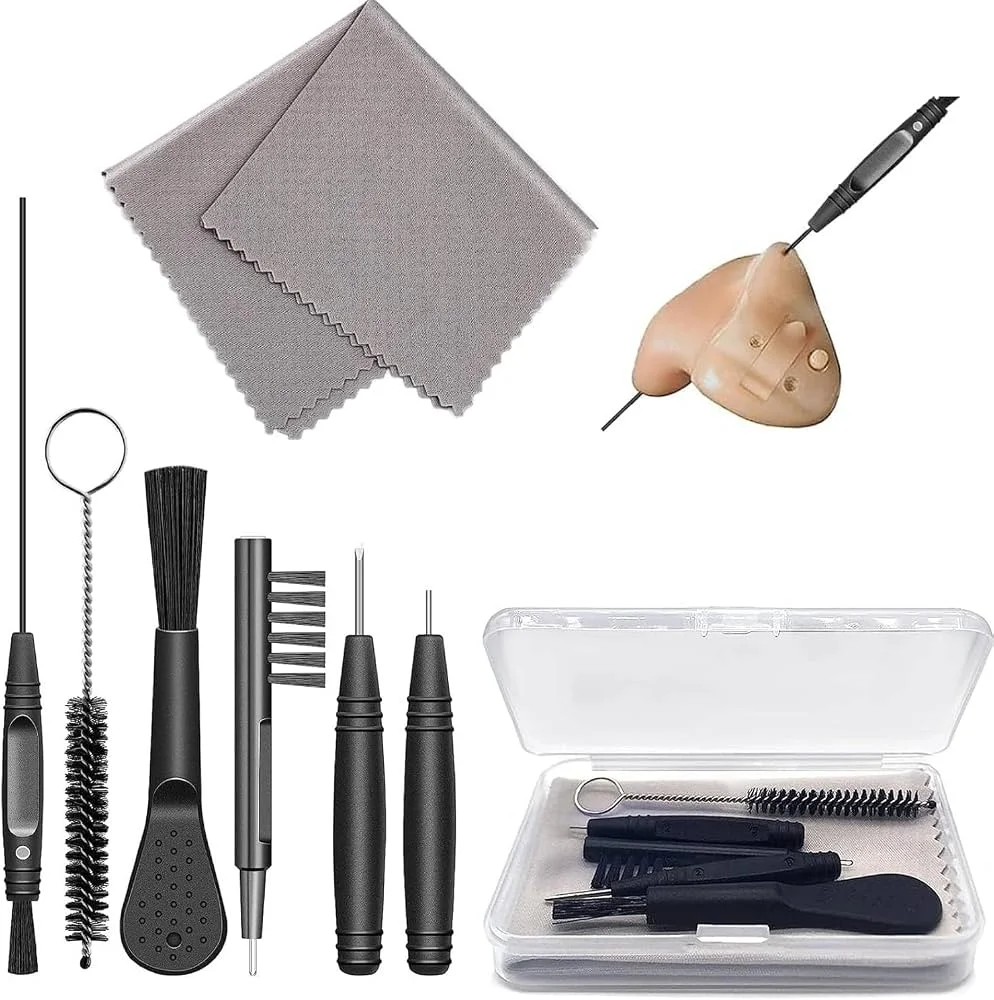
Cleaning brush: A soft brush sweeps wax and debris from microphone ports, vents, and the surface of the device.
Wax pick or wax loop: A small tool with a fine loop or pointed tip that lifts wax out of the sound outlet and tight crevices.
Wire or vent cleaner: A thin, flexible wire that clears tiny vents and tubing without scratching.
Microfiber cloth: A lint-free cloth for wiping the shell, earmold, and charging contacts.
Air blower: A small bulb that pushes air through tubing to remove trapped moisture and loose debris.
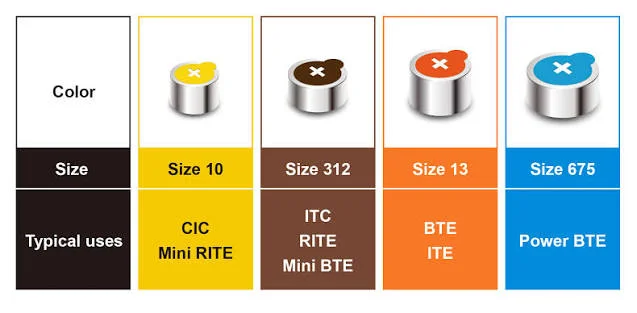
Battery magnet or tool: A handy extra for changing tiny zinc-air batteries.
Storage case: A protective pouch or case that keeps every tool clean and together.
The Best Types of Hearing Aid Cleaning Kits
1. Basic Manual Cleaning Kits
The classic kit includes a brush, wax pick, wire cleaner, and cloth. It is the most affordable option and works for nearly every hearing aid style. If you are new to hearing aids or want a simple daily routine, this is the best place to start.
2. Wipe-and-Spray Cleaning Kits
These kits focus on hygiene. They include pre-moistened wipes or a spray made specifically for hearing aids, plus a cloth. They are ideal for quickly cleaning the outer shell, earmolds, and domes at the end of the day. Always choose products labeled as safe for hearing aids, and never use household cleaners, alcohol, or soap and water.
3. Drying Kits and Dehumidifiers
If you live in a humid climate, exercise often, or sweat heavily, a drying kit is worth having. Basic versions use a jar or container with desiccant beads that absorb moisture overnight. They are inexpensive and need no power. They are a smart choice for anyone who notices crackling or cutting out after a hot day.
4. Electric Dryers and UV Sanitizing Systems
Electric dryers use gentle warm air to remove moisture, while UV models also reduce bacteria on the device surface. They cost more but are convenient, because you simply place your hearing aids inside each night. Check that the unit is compatible with your device, especially if you use rechargeable hearing aids, and follow your manufacturer's guidance.
5. Style-Specific Kits
Different hearing aids need different tools. Behind-the-ear models with tubing benefit from an air blower and tube cleaning wires. Receiver-in-canal models need a brush and wax guard tools. In-the-ear and completely-in-canal styles need a fine wax loop and small brush for tiny openings. A style-specific kit means every tool fits properly and reduces the risk of damage.
6. Travel Cleaning Kits
Compact travel kits pack a mini brush, wax pick, cloth, and sometimes a few wipes into a pocket-sized case. They are perfect for work trips, holidays, or keeping a spare set in your bag or car so a quick clean is always possible.
7. Manufacturer and Audiologist Kits
Many hearing aid makers and clinics supply kits tailored to their devices, including the right wax guards, domes, and brushes. If your provider offers one, it is often the safest match for your model. They also tend to include clear instructions.
How to Choose the Right Hearing Aid Cleaning Kit
Start with your hearing aid style, since this decides which tools you actually need. Next, consider your environment. A humid home, an active lifestyle, or heavy earwax production all point toward adding a drying solution. Look for kits with soft, non-scratching brushes and sturdy, fine-tipped tools. Finally, think about convenience. A compact case that lives beside your bed or in your bag makes you far more likely to clean daily.
A Simple Cleaning Routine
A kit only works if you use it. Try this routine:
Every day: Wipe each device with a dry microfiber cloth, brush the microphone ports and sound outlet, and check for visible wax.
Every night: Open the battery door so air can circulate, or place the devices in a dryer or dehumidifier.
Weekly: Clear vents with a wire cleaner, clean earmolds or domes, and inspect tubing for moisture or cracks.
As needed: Replace wax guards and filters according to your manufacturer's schedule.
Common Mistakes to Avoid
Using water, alcohol, or cleaning sprays not made for hearing aids.
Pushing wax deeper into the sound outlet instead of lifting it out.
Using sharp household items like pins or toothpicks, which can scratch or puncture parts.
Cleaning while the device is switched on or still in your ear.
Skipping professional check-ups because the devices "seem fine."
When to See an Audiologist
Home cleaning handles daily upkeep, but it cannot fix everything. If sound is still weak after cleaning, the device whistles constantly, you see moisture inside the tubing that will not clear, or a part looks damaged, book an appointment. A professional deep clean and check-up every three to six months keeps your hearing aids performing at their best.
Final Thoughts
The best hearing aid cleaning kit is the one that matches your device, fits your routine, and gets used consistently. A basic manual kit covers daily needs, a drying solution protects against moisture, and a style-specific or travel kit adds convenience. Pair the right tools with a few minutes of daily care, and your hearing aids will sound clearer, last longer, and give you more value year after year.
Frequently Asked Questions
What should a good hearing aid cleaning kit include?
Look for a soft brush, a wax pick or loop, a vent or wire cleaner, a microfiber cloth, and an air blower. A storage case keeps the tools clean and organized.
How often should I clean my hearing aids?
Wipe and brush them daily, and do a deeper clean of vents, domes, or earmolds once a week. Replace wax guards as your manufacturer recommends.
Can I use water or alcohol wipes to clean hearing aids?
No. Water and alcohol can damage electronics and degrade materials. Use a dry cloth, a dry brush, or products specifically made for hearing aids.
Do I need a hearing aid dehumidifier?
It is not essential for everyone, but it is highly useful if you live in a humid area, sweat often, or exercise regularly. It helps protect electronics and battery contacts from moisture damage.
Are cleaning kits different for rechargeable hearing aids?
The cleaning tools are largely the same, but you should be careful around charging contacts and avoid drying systems your manufacturer does not approve. Check your device guide before using any heated or UV dryer.