Best Affordable Hearing Aids in India: Top Picks & Guide
Which is the best and most affordable hearing aid in India
Experiencing hearing loss can be a challenging journey, not just for the individual but for their entire family. Whether you are noticing the television volume creeping up or asking people to repeat themselves during conversations, addressing hearing impairment early is crucial for maintaining your quality of life. However, navigating the medical device market in India can be daunting. With hundreds of options, varying technologies, and fluctuating price tags, making an informed decision requires a bit of research.
Many families look for comprehensive guides on the best and most affordable hearing aids in India: how to choose and top value picks to make a confident, financially sound decision. This article is designed to be your ultimate roadmap. We will decode the jargon, compare the features, and help you find the perfect balance between cost, comfort, and crystal-clear sound.

Understanding the Shift: Analog vs. Digital Technology
Before diving into prices and brands, it is vital to understand what you are actually buying. For decades, hearing aids were simple analog devices. Today, they are sophisticated microcomputers.
Understanding the difference between analog and digital hearing devices is the first step in your buying journey.
Analog Hearing Aids: These devices act like a basic microphone and loudspeaker. They amplify all sounds equally—whether it is your grandchild’s voice or the annoying hum of a ceiling fan. While they are very cheap, they often result in a poor, overwhelming listening experience in noisy environments.
Digital Hearing Aids: These devices convert sound waves into digital codes before amplifying them. A built-in microchip analyzes the environment and selectively amplifies speech frequencies while suppressing background noise.
Because of this superior processing, experts highly recommend digital variants. While looking for the best hearing aids, investing in digital technology is non-negotiable for long-term ear health and comfort.
The Cost Factor: What to Expect in India
One of the most frequent questions asked by patients is regarding the price of digital hearing aids in India. The truth is, the cost spans a massive spectrum, typically ranging from ₹15,000 for basic entry-level models to upwards of ₹3,00,000 for premium, high-tech devices.
When searching for affordable hearing aids, it is important to realize that "affordable" does not have to mean "low quality." Major global manufacturers have introduced excellent budget lines specifically tailored for the Indian market. You can easily find the best affordable hearing aid india has to offer in the ₹18,000 to ₹35,000 range per ear. These devices offer excellent sound clarity, durability, and essential modern features.
Tackling Severe Hearing Loss on a Budget
A common concern among buyers is: are cheap hearing aids effective for severe hearing loss? The answer depends on what you define as "cheap." Generic, over-the-counter sound amplifiers sold online for ₹2,000 are not effective and can actually damage your residual hearing. However, medically prescribed, entry-level digital hearing aids from reputable brands are highly effective. They come with high-power (HP) or ultra-power (UP) receivers designed specifically to provide the necessary gain (volume) for profound hearing loss without distortion.

Key Features to Look for in Budget Models
You do not need to spend a fortune to get a device packed with helpful technology. Even in the budget segment, modern engineering has made incredible strides. Here are the features you should prioritize:
1. Dual Microphone Technology
One of the greatest challenges for people with hearing loss is understanding speech in a noisy room, like a busy restaurant or a family gathering. This is where the benefits of dual microphone technology come into play. Devices with directional (dual) microphones can focus on the sound coming from in front of you (the person speaking) while actively reducing the chatter behind you. This feature is a game-changer and is now available in many budget models.
2. Noise Cancellation
In the past, basic hearing aids amplified everything, including traffic noise and wind. Today, noise cancellation technology for entry level hearing aids allows the device's microchip to identify continuous background noises (like a refrigerator hum or an air conditioner) and instantly reduce their volume, making speech much clearer.
3. Smart Connectivity
You might think that Bluetooth is only for premium devices, but that is changing rapidly. Today, you can find smartphone connectivity features in affordable models. These allow users to connect their hearing aids directly to their smartphones to take calls, listen to music, or adjust the volume via a mobile app, eliminating the need to fiddle with tiny buttons on the device itself.
Navigating the Costs: Powering Your Device
When budgeting for a hearing device, you must consider the ongoing running costs. A major debate among new users is rechargeable vs battery operated hearing aid costs.
Battery-Operated: These devices are generally cheaper upfront. However, you will need to buy zinc-air batteries (Size 10, 312, 13, or 675) every week or two. Over a 5-year lifespan, battery costs can add up to ₹10,000 - ₹15,000 per ear.
Rechargeable: These models cost slightly more initially (usually a premium of ₹5,000 to ₹10,000 over their battery counterparts). However, they function like a smartphone—you simply place them in a charging dock at night. Over time, they often break even in cost, and they offer immense convenience, especially for users with vision or dexterity issues.
Buying Guide for Seniors
Age-related hearing loss (Presbycusis) is the most common reason people seek audiological help. Finding low cost solutions for age related hearing loss requires paying attention to the specific physical and lifestyle needs of the senior citizen.
If you are wondering how to choose right hearing aid for elderly family members, keep these practical tips in mind:
Ease of Handling: Tiny Completely-in-Canal (CIC) devices might look discreet, but they require good finger dexterity to change tiny batteries and clean microscopic wax filters. Behind-The-Ear (BTE) or Receiver-In-Canal (RIC) styles are often much easier for seniors to handle.
Automation: Elderly users generally prefer a "set it and forget it" approach. Look for devices that automatically adjust to different sound environments without requiring manual button presses.
Rechargeability: As mentioned above, a rechargeable device eliminates the frustrating task of replacing tiny batteries, making it highly recommended for older adults.

The Clinical Journey: Testing and Fitting
You should never buy a hearing aid off the shelf without a proper audiological assessment. Understanding the hearing aid trial and fitting process ensures you get a device programmed exactly for your unique hearing profile.
Pure Tone Audiometry (PTA): The audiologist will test your hearing in a soundproof booth to create an audiogram, which maps out exactly which frequencies you struggle to hear.
Programming: The audiologist connects the chosen hearing aid to a computer and programs it to match your audiogram.
Real Ear Measurement (REM): This is a crucial step. A tiny microphone is placed in your ear alongside the hearing aid to measure exactly how much sound is reaching your eardrum.
Trial Period: Most good clinics offer a trial period. This is the best way to understand how to check hearing aid quality before buying. Wear the device in your natural environment—at home, watching TV, and in traffic—to ensure the sound is natural and comfortable.
Top Value Picks: Best Budget Brands in India
To ensure longevity, it is critical to choose the best budget hearing aid brands with warranty. A standard warranty in India covers 2 to 4 years of free servicing and repairs. Here are some of the top-performing brands that offer incredible value in their budget and mid-range tiers:
1. Signia (Formerly Siemens)
Signia is a household name in India, known for robust, tropicalized devices that withstand Indian humidity and dust. Their Prompt and Run series offer phenomenal value for money, providing clear digital sound and comfortable fits at very accessible price points.
2. Phonak
A Swiss brand renowned for its exceptional speech-in-noise processing. While famous for premium devices, their Baseo Q or entry-level Marvel/Paradise lines offer superior dual-microphone technology for budget-conscious buyers.
3. ReSound
ReSound excels in connectivity. If you want smartphone connectivity without breaking the bank, ReSound’s Key series provides excellent Bluetooth streaming capabilities and a highly intuitive mobile app, making it a favorite for tech-savvy users on a budget.
4. Starkey
If cosmetics are your primary concern, Starkey is a pioneer in custom-made devices. When looking for the top rated invisible hearing aid brands in India, Starkey’s entry-level Custom Invisible-in-Canal (IIC) models offer a great blend of discretion and affordability, fitting deep inside the ear canal where they are virtually unseen.
Government Support and Insurance in India
Affordability is a major hurdle for many Indians. Fortunately, there are avenues for financial assistance.
For citizens from economically weaker sections, there are substantial government subsidies for hearing aids in India. The ADIP (Assistance to Disabled Persons for Purchase/Fitting of Aids and Appliances) scheme, run by the Ministry of Social Justice and Empowerment, provides free or highly subsidized hearing aids to individuals possessing a valid disability certificate and meeting income criteria.
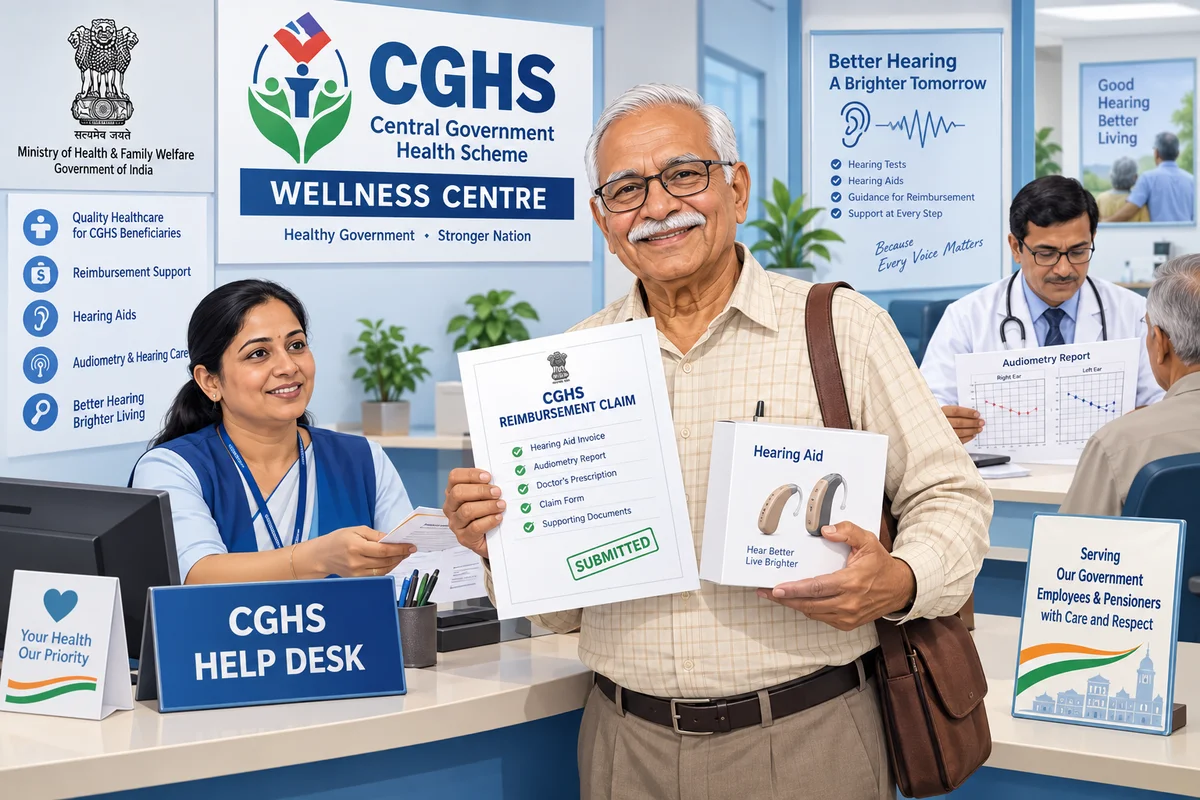
Furthermore, if you are a current or retired central government employee, you can avail of benefits through the Central Government Health Scheme. By visiting CGHS approved hearing aid centers, you can get your hearing tests and devices fully or partially reimbursed according to the prevailing CGHS rate lists. Always consult with your department and get a prescription from a government ENT specialist to initiate this process.

Final Checklist: How to Ensure You Are Making the Right Choice
To summarize, here is your quick checklist before making a purchase:
Get a professional test: Always start with a certified audiologist.
Demand Digital: Ensure the device is fully digital, not an analog amplifier.
Prioritize After-Sales Service: Choose a clinic that offers easy follow-up visits, as your device will need fine-tuning over the first few months.
Verify the Warranty: Ensure you are getting at least a 2-year warranty card directly from the manufacturer.
Test the Comfort: Physical comfort is just as important as sound clarity. If it hurts your ear, you won't wear it.
Conclusion
Overcoming hearing loss is a life-changing decision that reconnects you with the people and activities you love. While the initial search can feel complex, understanding your own needs and the technology available makes the process much smoother.
You do not need to empty your savings to hear clearly again. By focusing on essential features like noise reduction and directional microphones, considering ongoing costs like batteries, and choosing reputable brands, you can easily find the perfect device. Take advantage of trial periods, consult with a trusted audiologist, and take that vital first step toward better hearing today. Better hearing means a better quality of life—and that is an investment always worth making.