Audiometry vs Online Hearing Test: Which Is Better
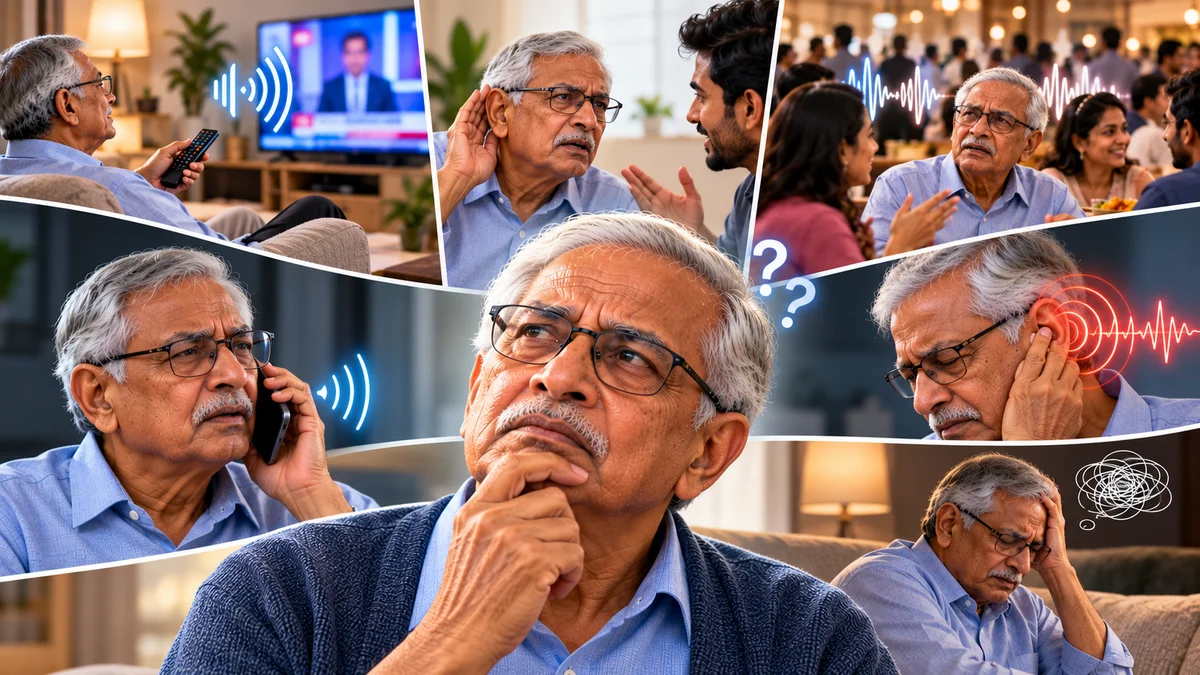
Hearing changes often creep in slowly. You ask people to repeat themselves, nudge the TV volume up, and struggle to follow conversations in busy restaurants. At that point, many people wonder whether a quick online hearing test is enough or whether they should book a professional audiometry appointment. The honest answer depends on what you want to learn. This guide compares professional audiometry services and online hearing screening tools on accuracy, cost, convenience, and safety, so you can choose the right next step for your ears.
What Is Professional Audiometry?
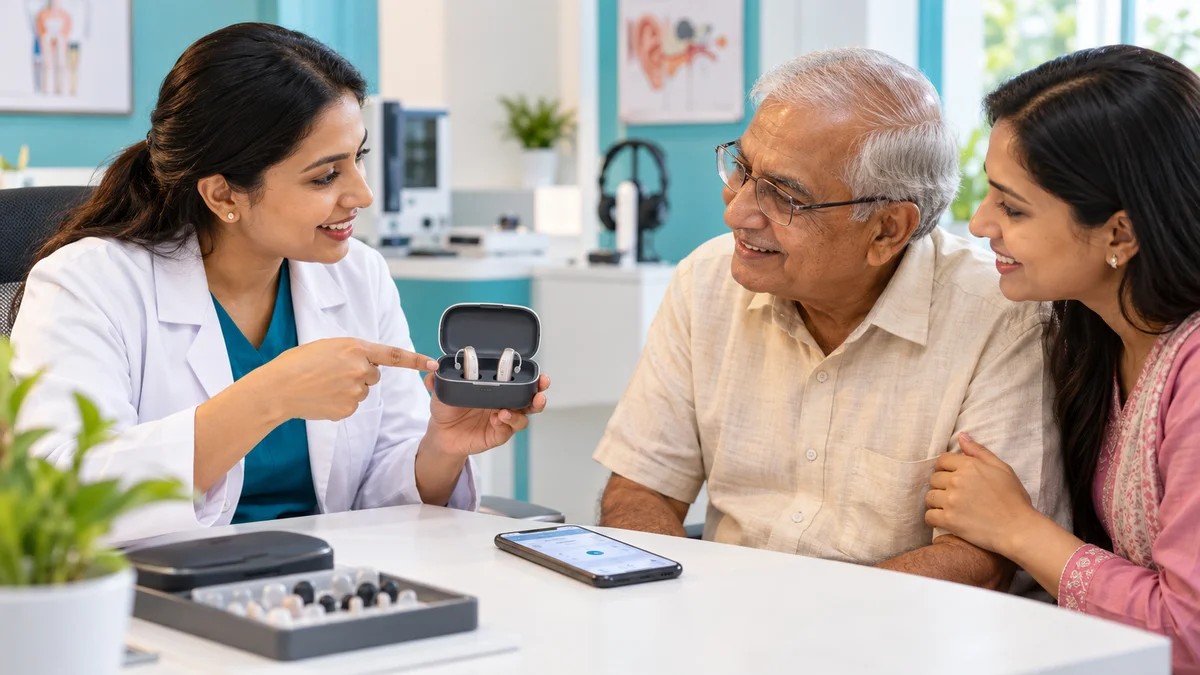
Professional audiometry is a complete hearing evaluation carried out by an audiologist or trained hearing healthcare professional. It takes place in a quiet, sound-treated room using calibrated equipment that is regularly checked against recognised standards. A typical appointment includes:
A case history and ear examination to check for earwax, infection, or damage to the eardrum
Pure-tone audiometry, which measures the softest sounds you can hear at different pitches in each ear
Bone conduction testing, which helps show whether hearing loss starts in the outer or middle ear or in the inner ear and nerve pathways
Speech audiometry, which shows how clearly you understand words, with and without background noise
Tympanometry, which checks how well the eardrum and middle ear are working
The result is an audiogram, a graph that maps your hearing across low, mid, and high pitches. The audiologist explains the findings, identifies the type and degree of hearing loss, and recommends the next step, whether that is hearing aids, a medical referral, or simple monitoring.
What Are Online Hearing Screening Tools?
Online hearing screening tools are web-based tests or smartphone apps that play tones or speech through your own headphones or speakers. You respond when you hear a sound or type what you heard. Most take between three and ten minutes and are free or low cost. Some use a digits-in-noise format, where you identify spoken numbers against background noise, which can reveal difficulty hearing in everyday situations.
These tools are designed for screening, not diagnosis. Their job is to flag a possible problem, not to explain what is causing it.
Accuracy: Professional Audiometry vs Online Hearing Tests
Accuracy is the biggest difference between the two options. Professional audiometry is considered the gold standard because every part of the test environment is controlled. The room is quiet, the headphones are calibrated, and the clinician can adjust the test based on your responses.
Online hearing tests face several limitations:
Uncalibrated equipment. Consumer headphones, laptop speakers, and phone volume settings vary widely, so the same tone can be louder or softer depending on your device.
Background noise. Even a ceiling fan or street traffic can mask quiet sounds and produce misleading results.
No bone conduction testing. Online tools cannot tell the difference between conductive and sensorineural hearing loss.
No ear examination. Earwax or fluid in the middle ear can cause easily treatable hearing loss, but an online test cannot detect either.
No professional oversight. Nobody is there to notice inconsistent responses or guide you if you are unsure.
That said, well-designed screening tools, especially those developed with audiology researchers, can reasonably identify people who are likely to have hearing loss. They are better at telling you that something may be wrong than at telling you exactly what is wrong.
Cost and Convenience
Online hearing screening wins on convenience. You can test yourself at home at any hour, repeat the test as often as you like, and avoid travel and waiting times. Most tools are free.
Professional audiometry requires an appointment, travel, and a fee that varies by country, clinic, and the tests included. Some hospitals, clinics, and community programmes offer free or low-cost hearing checks, and in some regions insurance or public health schemes cover diagnostic testing. It is also worth thinking about value: a professional test gives you a diagnosis, a treatment plan, and a baseline record to compare against in the future, which no free online test can offer.
Side-by-Side Comparison
Feature | Professional Audiometry | Online Hearing Screening |
|---|---|---|
Accuracy | High and clinically reliable | Moderate to low, varies by device |
Test environment | Sound-treated room | Home, with variable noise |
Equipment | Professionally calibrated | Everyday headphones or speakers |
Diagnosis | Yes, type and degree of loss | No, screening only |
Ear examination | Included | Not possible |
Time needed | About 30 to 60 minutes | About 3 to 10 minutes |
Cost | Varies, may be covered by insurance | Usually free or low cost |
Best for | Diagnosis, hearing aids, medical concerns | Quick check and awareness |
When an Online Hearing Test Is Enough
An online hearing screening can be a useful first step if you:
Have no noticeable symptoms but want a quick check
Are curious about your hearing after regular exposure to loud concerts, headphones, or noisy workplaces
Want to encourage a reluctant family member to take hearing health seriously
Treat the result as a prompt, not a verdict. If the test suggests reduced hearing, or if you simply feel unsure, book a professional evaluation.
When You Need a Professional Audiometry Test
Skip the screening and see an audiologist or ear specialist if you notice any of the following:
Sudden hearing loss in one or both ears, which needs urgent medical attention
Ringing, buzzing, or pressure in the ears (tinnitus)
Dizziness or balance problems alongside hearing changes
Ear pain or discharge
Trouble following conversations, especially in noisy places
One ear that hears clearly worse than the other
Plans to buy hearing aids, since an audiogram is needed to set them up correctly
A child with delayed speech or difficulty at school
Adults should also consider a baseline hearing test and periodic checks as they get older, because age-related hearing loss develops gradually and often goes unnoticed for years.
Why Early Testing Matters
Untreated hearing loss is associated with social withdrawal, communication frustration, listening fatigue, and a higher risk of cognitive decline. Catching a problem early makes treatment simpler and more effective, and a professional baseline lets your audiologist spot small changes over time.
Final Verdict: Which Should You Choose?
Online hearing screening tools and professional audiometry are not rivals. They play different roles. An online test is a convenient doorway into hearing health, while professional audiometry gives you the complete picture. Use an online tool to get started if you like, but if your results are abnormal, you have symptoms, or you are thinking about hearing aids, book a professional test. And if you are ever unsure which to choose, go with professional audiometry. Accurate answers are worth the extra effort.
Frequently Asked Questions
Are online hearing tests accurate?
Online hearing tests can give a rough indication of whether you may have hearing loss, but they are less accurate than professional audiometry because of uncalibrated headphones, background noise, and the lack of clinical oversight. Treat the result as a screening, not a diagnosis.
Can an online hearing test replace an audiologist?
No. An online test cannot examine your ears, measure bone conduction, or identify the cause and type of hearing loss. It can only suggest whether further testing is a good idea.
How long does a professional hearing test take?
A full audiometry appointment usually takes about 30 to 60 minutes. The tests are painless and non-invasive, and you receive your results and an explanation on the same day.
Do I need an audiogram before buying hearing aids?
Yes, it is strongly recommended. Prescription hearing aids are programmed using your audiogram, and even over-the-counter options work best when you know your actual hearing levels.
How often should I get my hearing tested?
If you have no symptoms, a baseline test followed by periodic checks every few years is a sensible approach, especially as you get older or if you are exposed to loud noise. If you notice any change in your hearing, get tested promptly.