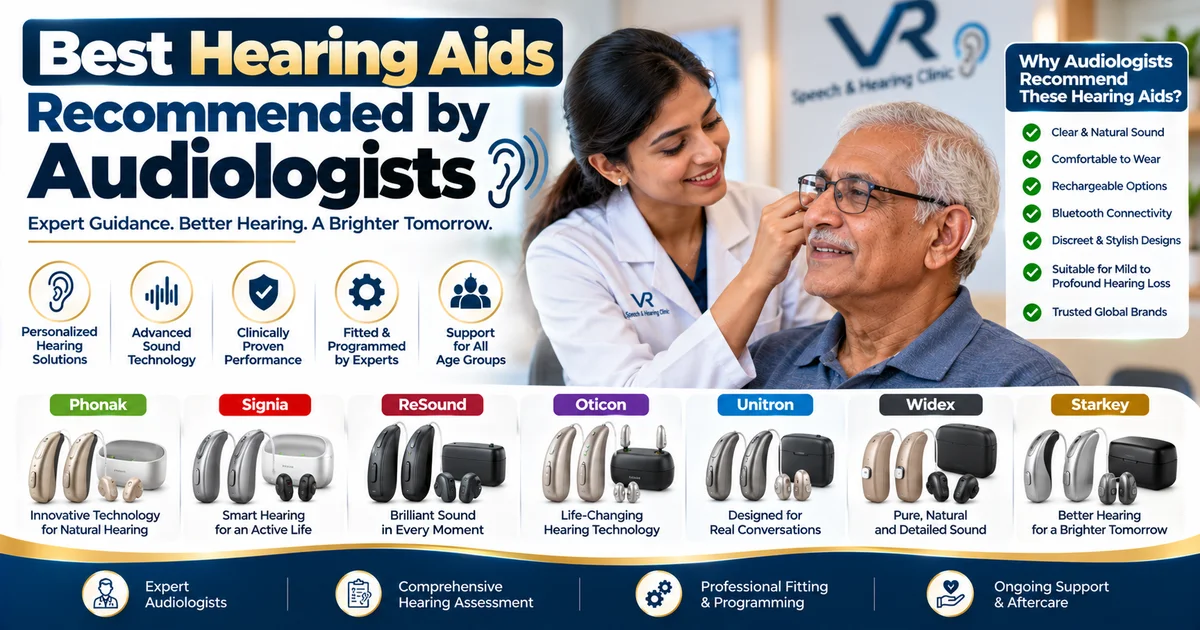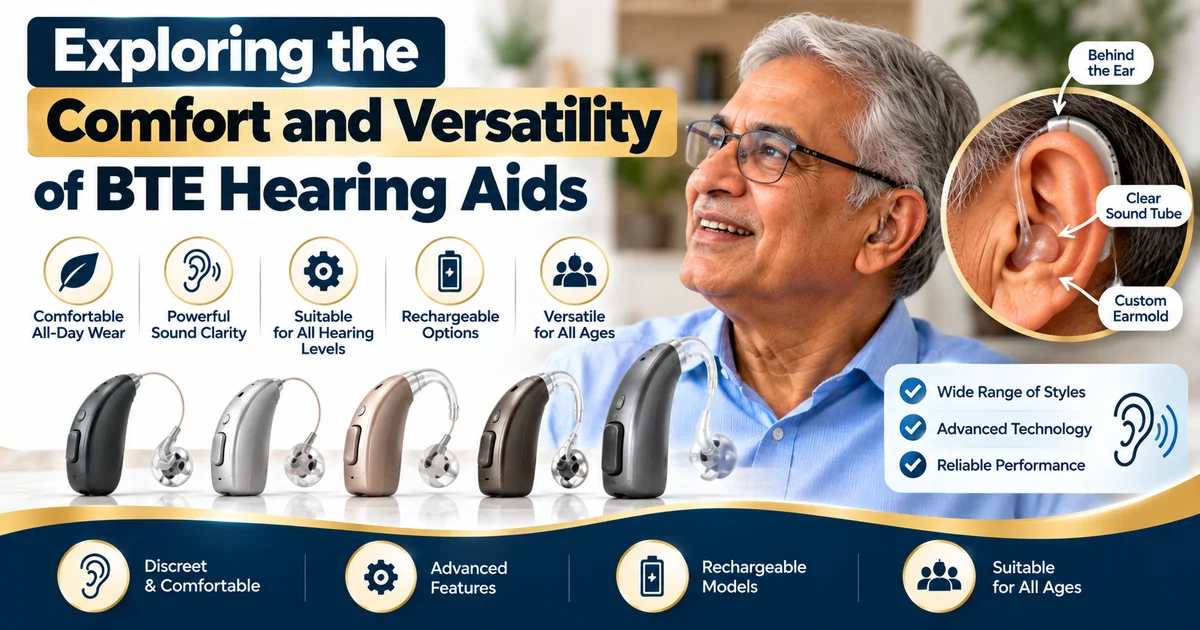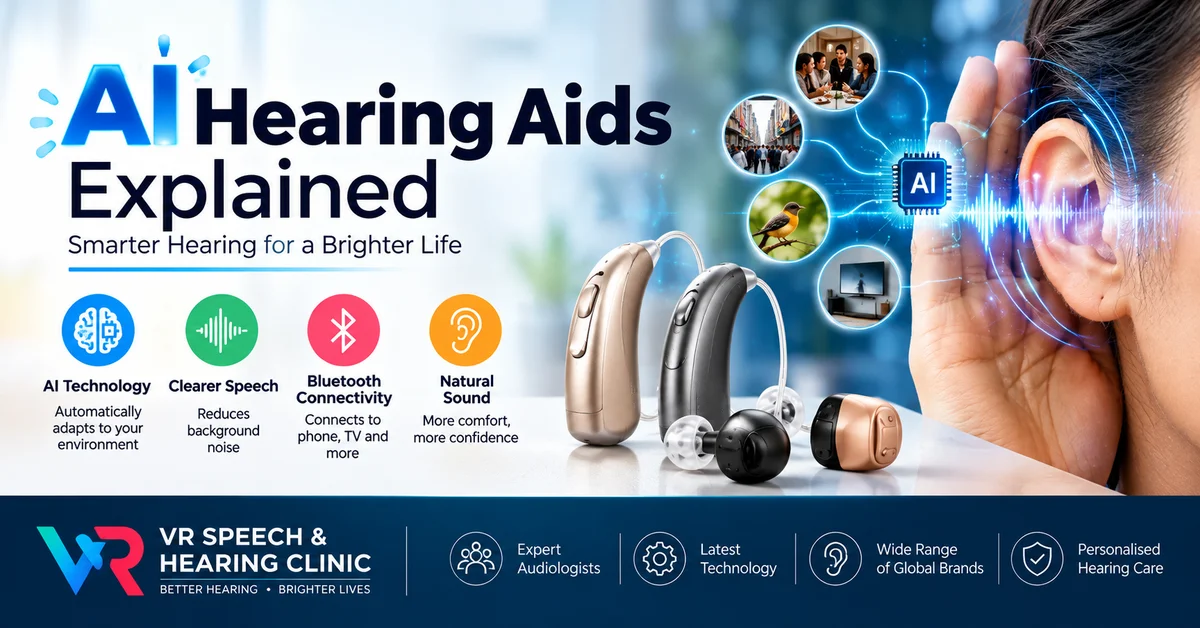
AI Hearing Aids Explained
AI Hearing Aids and Ear-to-Ear Communication: A Smarter Way to Hear Clearly
If you have ever left a family dinner or a busy market exhausted from trying to follow conversations, you know that hearing takes real effort. Modern hearing aids are built to reduce that effort. Features like artificial intelligence (AI), ear-to-ear communication and smarter Bluetooth connections now do much of the sorting that your brain used to do on its own.
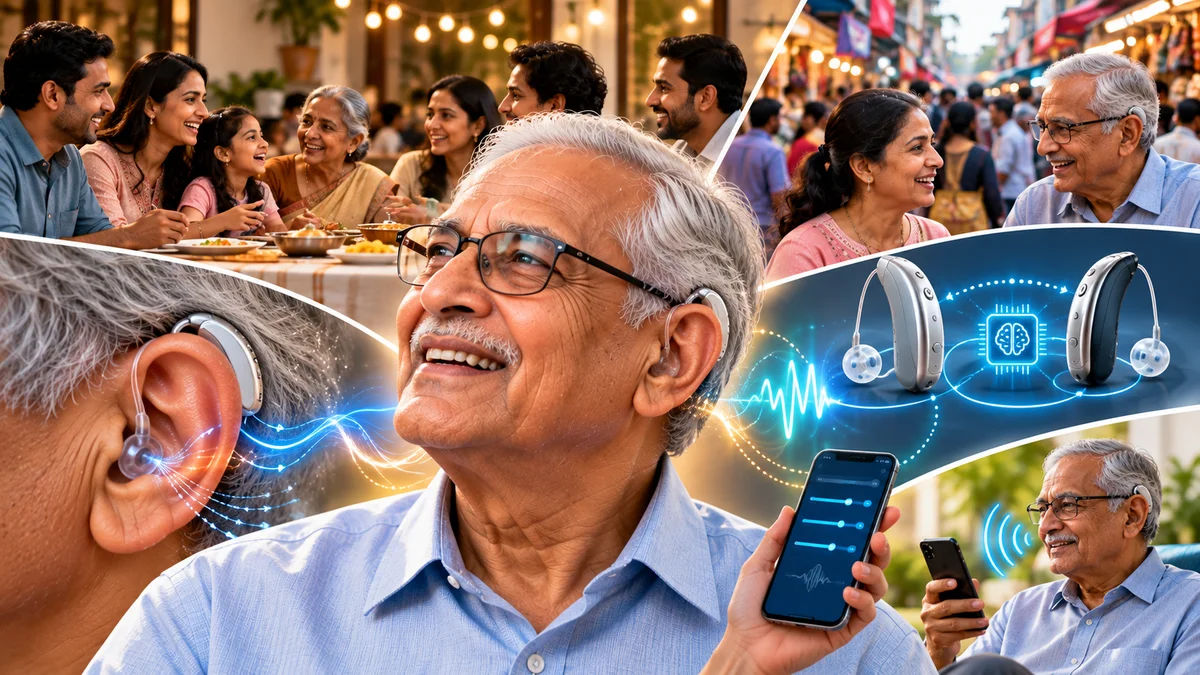
At VR Speech and Hearing Clinic, we help patients understand what these upgrades actually mean, so you can pick a device that suits your life rather than just your budget.
Why Hearing Takes Less Effort With New Technology
Hearing is not just an ear job. Your ears collect sound, but your brain decides what matters. With hearing loss, the brain has to work much harder to fill in gaps, separate voices from noise and guess missing words.
Newer hearing aids take over part of this job. They can work out what a sound is, which direction it comes from and how important it is. By the time the signal reaches your brain, it is cleaner and easier to understand, which means less mental fatigue at the end of the day.
How AI Works Inside Hearing Aids
AI is the fastest-growing area of hearing aid design. It helps to be clear about what it does and does not do. Today’s devices do not truly learn your personal habits and routines the way a smartphone assistant might. What AI changes is how the device processes sound.
Many current hearing aids use a deep neural network, a computer model loosely inspired by how the brain learns. These devices are trained on millions of sound samples, so the chip inside learns to recognize speech, traffic, wind, music and background chatter very quickly. In daily use it:
Keeps scanning your surroundings
Separates speech from unwanted noise
Adjusts the left and right ears independently
Balances sounds automatically, with no buttons to press
Researchers are still studying how much AI improves speech understanding in noisy places, so the technology is promising but still developing.
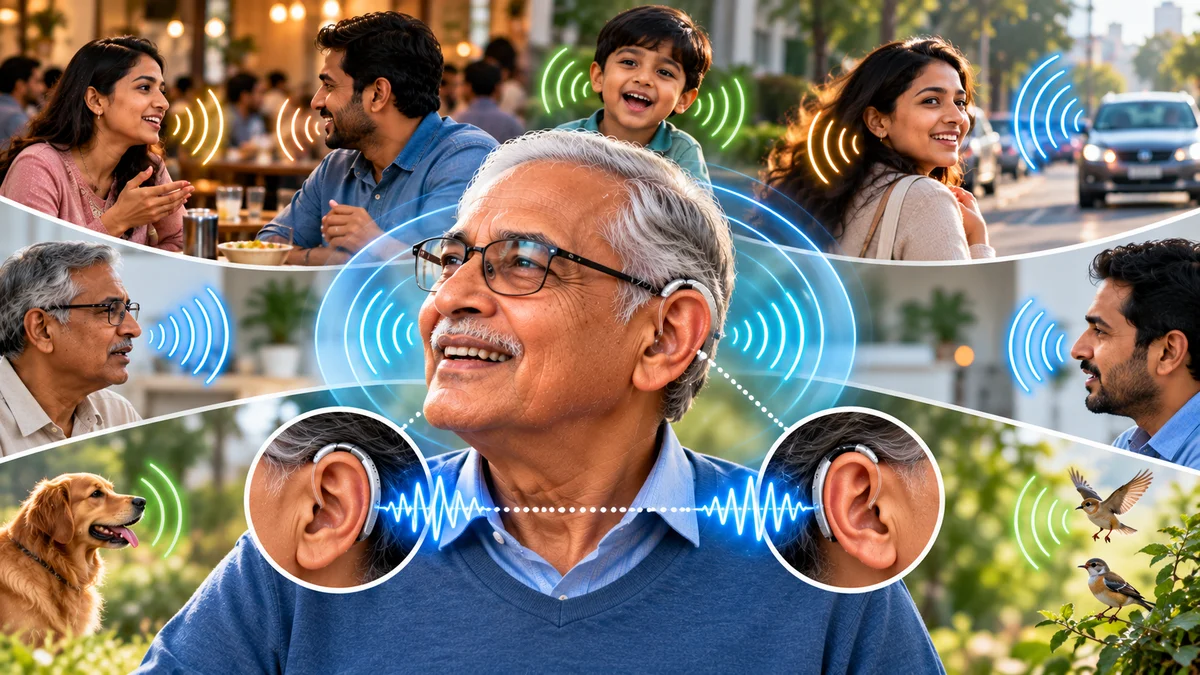
Ear-to-Ear Communication and Binaural Processing
Left and right hearing aids have always been able to talk to each other, but newer pairs use that connection far more cleverly. Instead of acting as two separate devices, they work as a team. They can spot noise before it enters the filtering stage and decide together what to reduce and what to boost.
This is called binaural processing, and it brings several benefits:
Better ability to tell where a sound is coming from
Better detection of different pitches and tones
A more natural, balanced listening experience
Stronger focus on the speech that matters most
Older devices often assumed that whatever you were facing was what you wanted to hear. That does not suit everyone. If you are a driver, a caregiver or a parent who often talks with someone behind or beside you, a 360-degree listening program picks up speech from all around you.
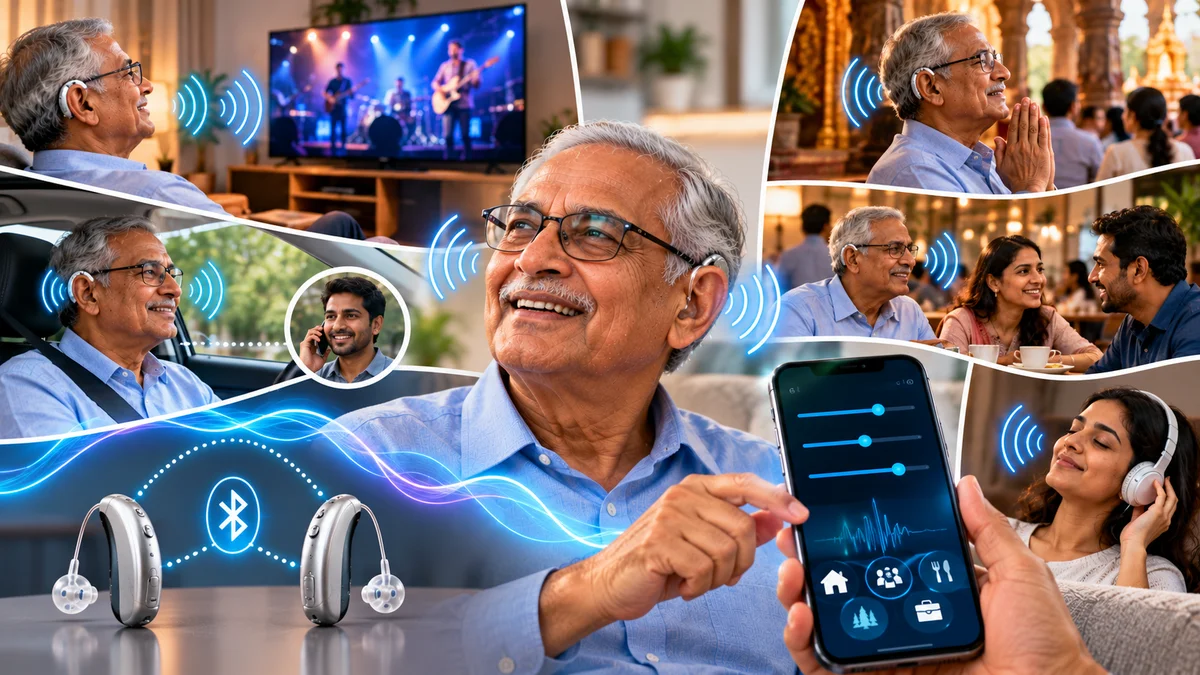
Bluetooth in Hearing Aids: Helpful, Not Essential
Hearing aids can work perfectly well without Bluetooth, but it adds convenience. With a phone app, many users can adjust settings, change AI-driven features and save custom sound profiles for places they visit often, such as a home, a temple, a restaurant or an office.
Brands differ in how they connect. Some pair your phone with one hearing aid and pass the sound to the other through ear-to-ear communication. Others pair both devices to the phone directly. Either way, a good connection gives you clearer calls, streamed audio and a stronger sense of space. The level of control you get varies by brand and model, so it is worth discussing before you buy.
What to Expect While You Adjust
Getting used to new hearing aids usually takes two to three weeks. If you have worn older devices for many years, the adjustment to AI-based hearing aids may take longer. Smart devices constantly change volume and priority depending on your surroundings, and that can feel unfamiliar at first.
It is important to stay realistic. Hearing aids improve hearing, but they do not give you back normal hearing. With good counselling and follow-up, though, most people settle in comfortably.
Why Professional Fitting Matters More Than Features
Even the most advanced hearing aid will disappoint if it is poorly fitted. Every ear and every hearing loss is different. A proper fitting involves a full hearing evaluation, personalized programming and verification that the device delivers the right amount of sound for your hearing profile.
A careful fitting also helps catch warning signs that need medical attention. Hearing that differs noticeably between ears, ear pain, dizziness or unusual ear discharge should be checked by an ENT or other specialist before you rely on hearing aids.
The most advanced device is only useful if you wear it every day. We choose technology to match your lifestyle, comfort and goals, not simply the latest features.
Book Your Hearing Evaluation at VR Speech and Hearing Clinic
If conversations feel like hard work, you ask people to repeat themselves often or you avoid noisy gatherings, it is time to get your hearing checked. Our team at VR Speech and Hearing Clinic will assess your hearing, explain your options in simple language and guide you through fitting and follow-up care. Contact the clinic today to book your appointment and take a clearer step toward easier conversations.
FAQs
1. What are AI hearing aids?
AI hearing aids use deep neural network technology, trained on millions of sound samples, to recognize and separate speech from background noise. They adjust automatically for each ear without any effort from you.
2. Do hearing aids really use artificial intelligence?
Yes, but in a specific way. Today’s devices use AI to improve how sounds are processed, not to learn your personal habits over time. This still makes speech clearer in many situations.
3. What is ear-to-ear communication in hearing aids?
It is wireless communication between your left and right hearing aids. They share information so they can locate sounds, reduce noise and give you a more natural, balanced sound.
4. Do I need Bluetooth in my hearing aids?
No, hearing aids work without it. Bluetooth is useful if you want phone calls, music streaming and app-based control of settings and saved sound profiles.
5. How long does it take to get used to new hearing aids?
Most people need about two to three weeks. Long-term hearing aid users switching to AI models may need longer while they get used to the automatic sound changes.
6. Can hearing aids restore normal hearing?
No. They make sounds clearer and reduce listening effort, but they cannot bring back normal hearing. A professional fitting and regular follow-ups help you get the best results.
7. Why is professional hearing aid fitting important?
Each hearing loss is different, and correct programming and verification make sure the device gives you the right amount of sound. A fitting also helps identify problems that may need medical care.
8. When should I see a specialist before buying hearing aids?
See a specialist if you have hearing loss that is worse in one ear, ear pain, dizziness or ear discharge. These signs should be checked first.